Culture Is Infrastructure
When cities and governments talk about infrastructure, they usually mean roads, bridges, power grids, and broadband networks. But there is another kind of infrastructure that is equally essential to how communities function: cultural infrastructure. Museums, music venues, public art installations, libraries, theaters, and community creative spaces form a network that shapes how people understand their history, connect with each other, and imagine their future.
Key Takeaways
- Culture Is Infrastructure
- Museums: More Than Collections of Objects
- Music: The Universal Social Glue
- Public Art: Transforming Shared Space
The influence of cultural institutions on society is both profound and frequently underestimated. This article explores the specific mechanisms through which museums, music, and public art shape communities, economies, and individual lives in ways that extend far beyond entertainment.

Museums: More Than Collections of Objects
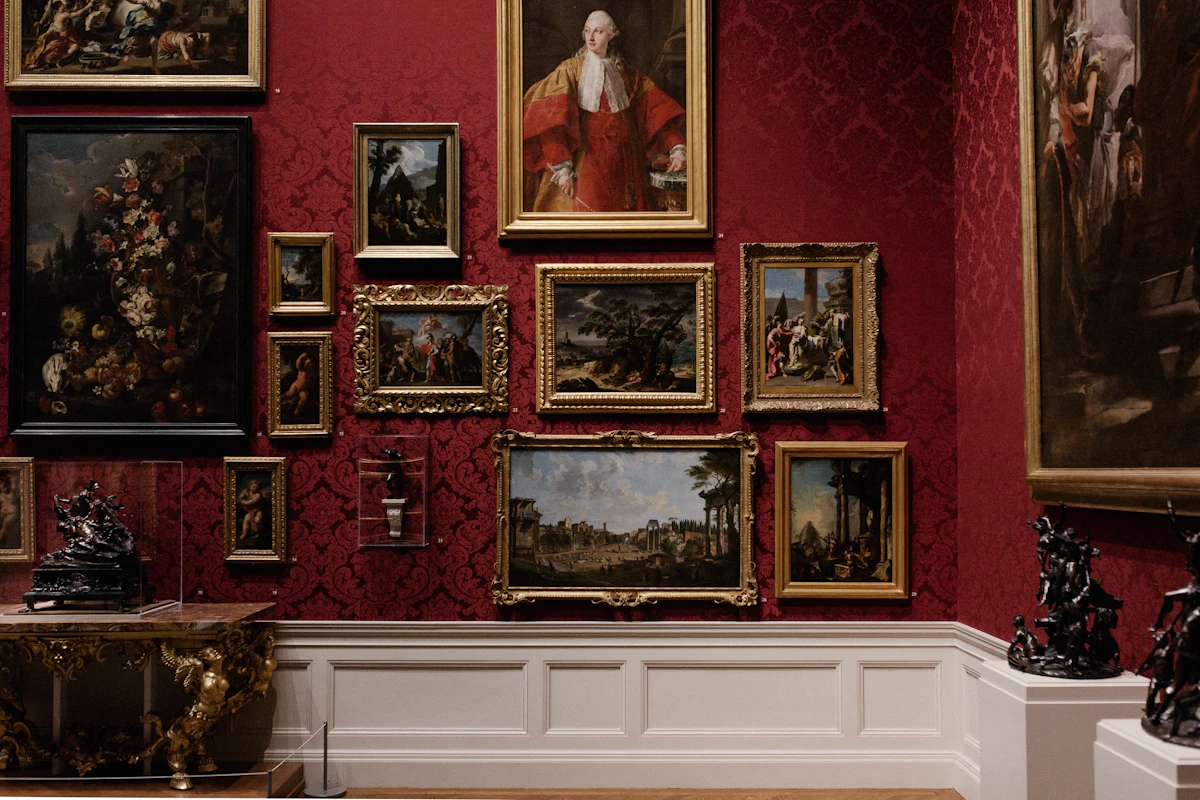
The modern museum has evolved dramatically from its origins as a storehouse for wealthy collectors'' treasures. Today''s leading museums function as community anchors, educational platforms, social gathering spaces, and agents of economic development. Understanding how they shape society requires looking beyond the exhibitions themselves.
Education and Civic Understanding
Museums provide learning experiences that no other institution can replicate. Standing in front of an original painting, handling a historical artifact, or walking through a reconstructed environment creates embodied knowledge that reading about the same subject cannot match. Research consistently shows that museum visits improve critical thinking, empathy, and content retention compared to classroom instruction alone.
History museums and cultural centers play a particular role in civic understanding. They provide communities with shared narratives about who they are and where they come from. When these narratives are inclusive and honest, which the best museums strive for, they build social cohesion across diverse populations. When they are exclusionary or misleading, they reinforce division. The curatorial choices museums make about whose stories to tell and how to tell them are among the most consequential cultural decisions in any community.
Economic Engines
Cultural institutions drive significant economic activity. The Guggenheim Museum Bilbao is the most famous example, having transformed a declining industrial city into a major tourist destination. But the economic impact extends to institutions of every size. Local museums attract visitors who eat at nearby restaurants, shop in adjacent stores, and sometimes decide to move to the community. The American Alliance of Museums estimates that museums contribute more than $50 billion annually to the U.S. economy and support over 726,000 jobs. For more on this, see African Wildlife Conservation Efforts Show Promising Results.
The Museum as Community Space
Many museums have expanded their role beyond exhibitions to become community hubs. Free admission days, after-hours social events, maker spaces, and community meeting rooms turn museums into places where people gather for reasons beyond viewing art or artifacts. This broader social function strengthens community bonds and makes cultural engagement accessible to people who might not visit a museum solely for its exhibitions. For more on this, see 5 Habits That Separate Great Developers from Good Ones.

Mus ic: The Universal Social Glue
Music is arguably the most powerful cultural force in human societies. It transcends language barriers, creates shared emotional experiences, and builds community bonds in ways that no other art form can match. Its influence on society operates through several distinct channels.
Identity and Belonging
Musical traditions help define cultural identity at every scale, from national anthems to regional folk traditions to the local music scene in a particular neighborhood. Sharing musical taste creates instant social connection. The genres people listen to, the concerts they attend, and the artists they follow form part of their social identity and connect them to communities of like-minded people.
Social Movements and Change
Throughout history, music has been inseparable from social movements. Work songs, protest anthems, and revolutionary music have accompanied every major social transformation. In the civil rights movement, freedom songs built solidarity and sustained morale. Punk rock challenged social conformity. Hip-hop gave voice to marginalized urban communities and became a global cultural force. Today, music continues to amplify social messages and create emotional resonance that pure rhetoric cannot achieve.
Economic Impact of Live Music
The live music ecosystem is a substantial economic force. Music venues, from arena-sized concert halls to intimate clubs, anchor entertainment districts that generate billions in economic activity. Music festivals have become major tourism drivers. Cities that invest in supporting live music through venue-friendly zoning, sound ordinance management, and artist support programs see measurable economic returns.
The loss of music venues, which has accelerated in many cities due to rising rents and noise complaints from new residential developments, has real consequences for community character and local economies. Cities like Austin, Nashville, and Berlin have implemented specific policies to protect music venues as essential cultural infrastructure.

Public Art: Transforming Shared Space
Public art occupies a unique position in cultural life because it meets people where they are rather than requiring them to enter a dedicated cultural venue. A mural on a building wall, a sculpture in a park, or an interactive installation in a transit station reaches people who may never visit a gallery or museum. This accessibility makes public art one of the most democratic forms of cultural expression.
Place-Making and Identity
Public art transforms anonymous spaces into distinctive places with character and identity. A thoughtfully placed sculpture or mural can turn a forgettable intersection into a neighborhood landmark. Over time, these artworks become part of how residents and visitors understand and navigate a place. They create mental maps and emotional attachments that strengthen the sense of belonging to a community.
Social Commentary in Public Space
Public art has the power to provoke dialogue about social issues in a way that reaches beyond the art-world audience. Temporary installations that address homelessness, climate change, immigration, or racial justice bring these conversations into everyday spaces where they cannot be ignored. The best public art does not tell people what to think; it creates encounters that prompt reflection and conversation.
Health and Well-Being
Research shows that exposure to art in public spaces has measurable positive effects on mental health and well-being. Studies in healthcare settings have found that art in hospitals reduces patient anxiety and perceived pain. Art in workplaces improves employee satisfaction and productivity. Art in schools improves student engagement and attendance. The mechanism is straightforward: aesthetically enriched environments make people feel better, and feeling better improves outcomes across multiple domains.

The Funding Challenge
Despite their demonstrated value, cultural institutions face persistent funding challenges. Government arts funding in many countries has declined in real terms over the past decade. Museums, music venues, and public art programs often compete for limited resources against priorities that are easier to quantif For more on this, see The Most Inspiring Art and Culture Trends Right Now.y. Making the case for cultural investment requires translating qualitative social benefits into terms that resonate with budget-focused decision-makers.
Digital Expansion and Access
Technology is expanding access to cultural experiences in meaningful ways. Virtual museum tours allow people who cannot travel to experience world-class collections. Music streaming has made virtually all recorded music accessible to anyone with an internet connection. Social media gives emerging artists direct access to audiences without gatekeepers. These digital expansions do not replace physical cultural experiences, but they complement them by broadening access and building interest.
Why This Matters for Everyone
Culture is not a luxury or an afterthought. It is a fundamental component of healthy, functional, vibrant communities. Museums preserve and transmit knowledge. Music builds social bonds and gives voice to shared experience. Public art transforms spaces and enriches daily life. Together, they form an ecosystem that makes communities worth living in.
Supporting cultural institutions, whether through attendance, advocacy, or funding, is not just about appreciating art. It is about investing in the social fabric that holds communities together and the creative capacity that helps them adapt and thrive. In a world that often feels fragmented and uncertain, that investment has never been more important.
Related Articles on BlogVerdict
- The Most Inspiring Art and Culture Trends Right Now (Art & Culture)
Summary Comparison
ASEAN Nations Strengthen Regional Cooperation Agreement.tbody>| Factor | Pros | Cons | Verdict |
|---|---|---|---|
| Cost | Various options | Premium can be expensive | Good value overall |
| Quality | High standard | Varies by provider | Research recommended |
| Accessibility | Widely available | Regional differences | Improving steadily |
| Support | Community + official | Response times vary | Adequate for most |
Related Reading on BlogVerdict
Explore more on this topic:
- 5 Habits That Separate Great Developers from Good Ones
- The Most Inspiring Art and Culture Trends Right Now
- ASEAN Nations Strengthen Regional Cooperation Agreement
- African Wildlife Conservation Efforts Show Promising Results
Frequently Asked Questions
What is the main point from this article?
The most important insight is that understanding the fundamentals and staying informed about developments in this area can help you make better decisions and stay ahead of important changes.
Where can I learn more about this topic?
We recommend exploring the linked resources throughout this article, following authoritative sources in this field, and checking BlogVerdict regularly for updated coverage and analysis.