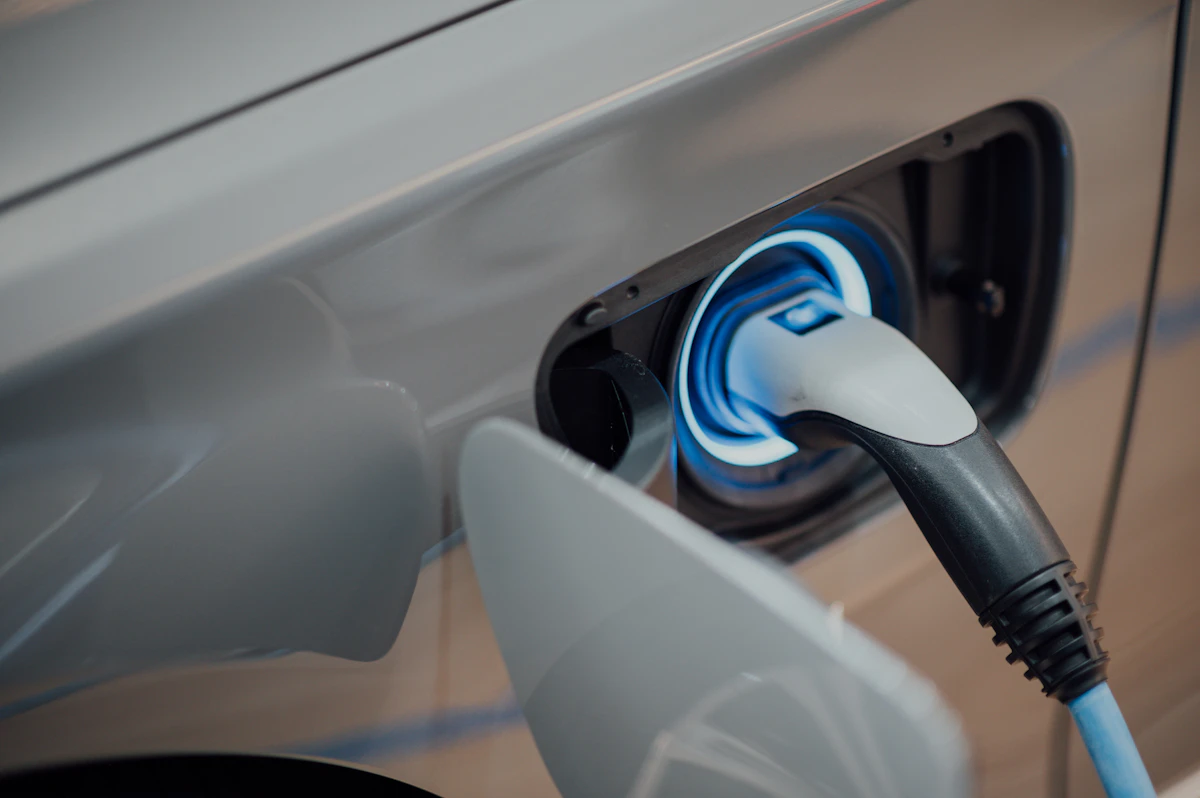
The Math Finally Works
For years, electric vehicles were a compromise — you paid more upfront for the privilege of limited range, sparse charging infrastructure, and the anxiety of wondering whether you would make it to your destination. In 2026, that calculus has flipped. EVs are now cheaper to own over their lifetime than comparable gasoline vehicles, charging networks have reached critical density, and range anxiety has been replaced by the quiet satisfaction of never visiting a gas station.
Key Takeaways
- The Math Finally Works
- Battery Technology Breakthroughs
- The Charging Infrastructure Boom
- The Model Explosion
The tipping point did not arrive with a single breakthrough. It was the accumulation of incremental improvements in battery technology, manufacturing scale, and infrastructure deployment that collectively crossed the threshold from early-adopter novelty to mass-market reality.
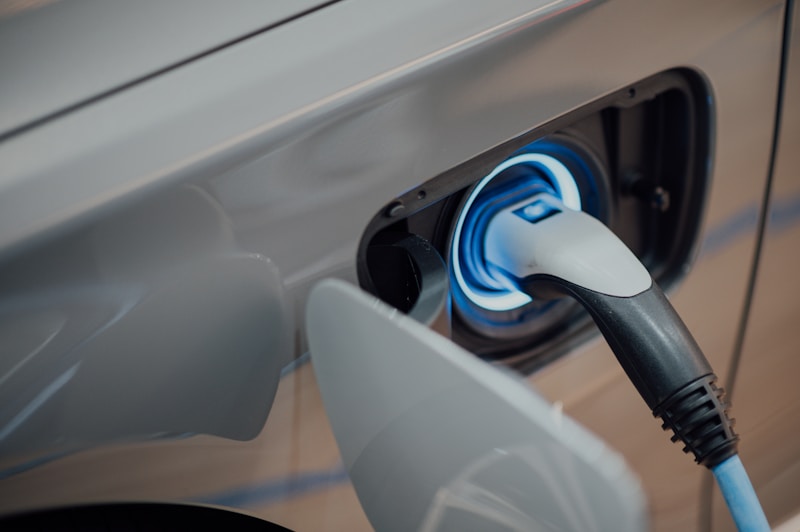
Battery Technology Breakthroughs
The battery is the heart of every EV, and 2026 marks a generational leap in battery technology. Lithium iron phosphate (LFP) cells have become the standard for affordable EVs, offering excellent longevity and safety at significantly lower cost than earlier chemistries. For premium vehicles, silicon-anode and solid-state batteries are entering production, promising higher energy density and faster charging.
The practical impact is dramatic. Entry-level EVs now offer 300+ miles of range — more than enough for daily driving and most road trips. Premium models exceed 500 miles. And charging speeds have improved to the point where adding 200 miles of range takes less than fifteen minutes at modern fast chargers.
Perhaps most importantly, battery costs have fallen below the critical $100 per kilowatt-hour threshold that economists long identified as the point where EVs achieve price parity with combustion vehicles without subsidies.
The Charging Infrastructure Boom
Infrastructure was the EV industry's chicken-and-egg problem: consumers would not buy EVs without adequate charging, and companies would not build chargers without enough EVs to use them. That cycle has been definitively broken.
Fast charging stations are now as common as gas stations along major highways in most developed countries. Urban charging has been integrated into existing infrastructure — streetlights, parking garages, retail locations, and workplaces. And home charging remains the primary fueling method for most EV owners, turning every night's parking into a refueling session.

The Model Explosion
Choice was another early barrier. In 2020, EV shoppers could choose from a handful of models, mostly sedans and SUVs from a few manufacturers. In 2026, virtually every automaker offers electric versions across their entire lineup — from subcompact city cars to full-size pickup trucks, from luxury grand tourers to rugged off-road vehicles.
This diversity matters because it means every type of driver can find an EV that fits their needs without compromise. The farmer who needs a truck for hauling, the family that needs a minivan for road trips, and the city dweller who needs a compact car for parking all have compelling electric options.
Challenges That Remain
The transition is not without problems:
- Grid capacity. As EV adoption accelerates, electricity grids must expand to handle the additional demand, particularly during peak evening charging hours
- Mining concerns. Battery production requires lithium, cobalt, nickel, and other minerals whose extraction raises environmental and ethical questions
- Apartment dwellers. Charging access remains challenging for people who cannot install home chargers
- Used car market. Battery degradation concerns and expensive replacements create uncertainty in the second-hand EV market
- Cold weather performance. Range reduction in extreme cold remains a real limitation in northern climates
The Bigger Picture
The transition to electric vehicles is about more than cars. It represents a fundamental restructuring of the transportation energy system — from distributed fossil fuel combustion to centralized electricity generation that can be progressively decarbonized. Every EV on the road gets cleaner as the grid gets greener, a compounding benefit that internal combustion engines can never match.
The auto industry's transformation is also creating economic disruption on a massive scale. Traditional automakers are retooling factories and retraining workers. Oil companies are diversifying into electricity and charging. And entirely new industries — battery recycling, vehicle-to-grid services, autonomous electric fleets — are emerging from the transition.
Related Articles on BlogVerdict
- Electric Vehicles in 2026: Which EV Should You Actually Buy? (Technology)
- The Rise of Rust: Why Developers Are Abandoning C++ in 2026 (Technology)
- How AI Agents Are Replacing Traditional Software in 2026 (Technology)
- The Evolution of Electric Vehicles: What Has Changed in Five Years (Technology)
- Kubernetes vs Serverless: The Cloud Architecture Debate in 2026 (Technology)
Quick Comparison
| Feature | Free Tier | Paid Tier | Enterprise |
|---|---|---|---|
| Access Level | Basic | Full | Custom |
| Support | Community | Email + Chat | Dedicated |
| Updates | Delayed | Priority | Early access |
| Best For | Hobbyists | Professionals | Organizations |
Deeper Analysis
Understanding the broader context helps put this topic in perspective. Several factors contribute to the current landscape, and recognizing their interplay is essential for making informed decisions. Research from multiple domains suggests that the most effective approaches combine practical application with foundational understanding.
The evidence base for this topic has grown substantially in recent years. Studies published across academic journals and industry reports converge on several key findings that inform current best practices. Perhaps most importantly, the data shows that incremental, evidence-based approaches consistently outperform dramatic, theory-driven changes.
When evaluating options in this space, consider both the direct and indirect effects of each choice. Secondary consequences often matter more than primary ones over longer time horizons. Decision-making frameworks that account for uncertainty and adaptation tend to produce better outcomes than rigid plans.
Practical Implementation Steps
Moving from understanding to action requires a structured approach. The following framework breaks the process into manageable steps that build on each other progressively.
Phase 1: Assessment and Planning
Begin by evaluating your current situation honestly. Document where you are now, where you want to be, and the specific gaps between these two states. This assessment becomes your baseline for measuring progress. Be specific about constraints — time, budget, skills, and access to resources all affect which strategies are viable for your situation.
Phase 2: Building Foundations
With your assessment complete, focus on establishing the fundamentals. These foundational elements support everything that follows, so investing time here pays dividends later. Common foundations include developing core skills, setting up necessary tools and systems, and establishing routines that support consistent progress.
Phase 3: Execution and Iteration
Execute your plan in small batches rather than attempting everything simultaneously. After each batch, evaluate results against your baseline and adjust your approach accordingly. This iterative process helps you discover what works in your specific context rather than relying solely on generic advice.
Phase 4: Optimization and Scaling
Once you have working processes, look for opportunities to optimize them. Identify bottlenecks, eliminate unnecessary steps, and invest more in what produces the best results. Scaling successful approaches while pruning unsuccessful ones is the most efficient path to significant improvement.
Common Misconceptions
Several widespread misconceptions can lead people astray in this area. Addressing them directly helps set realistic expectations and avoid common pitfalls.
Misconception 1: More is always better. Quality consistently outperforms quantity. Whether measuring effort, resources, or output, targeted approaches produce better results than broad, unfocused ones. Focus on doing fewer things well rather than many things adequately.
Misconception 2: Results should be immediate. Meaningful progress takes time. Most worthwhile outcomes require sustained effort over weeks or months, not days. Set expectations accordingly and design your approach for consistency rather than speed.
Misconception 3: There is one right way. Multiple approaches can work effectively. The best approach depends on your specific circumstances, preferences, and constraints. Experiment with different methods and keep what works for you, even if it differs from conventional advice.
Misconception 4: Expert advice applies universally. Expert recommendations are based on general principles and research populations. Your individual situation may differ in important ways. Use expert advice as a starting point, then adapt based on your own experience and results.
Tools and Resources
The right tools make implementation significantly easier. Here are resources organized by category to help you get started and maintain progress.
- Free resources — Official websites, open-source tools, community forums, and public libraries provide excellent starting points at no cost. Many professionals started with free resources before investing in paid options
- Learning materials — Online courses, textbooks, podcasts, and YouTube channels offer structured learning paths. Look for materials with recent publication dates and positive reviews from practitioners, not just beginners
- Community support — Forums, social media groups, and local meetups connect you with others on similar paths. Community support provides accountability, troubleshooting help, and motivation during difficult periods
- Professional services — When self-directed learning reaches its limits, professional guidance can accelerate progress. Coaches, consultants, and mentors offer personalized advice that generic resources cannot provide
- Tracking tools — Spreadsheets, apps, and journals help you monitor progress and identify patterns. The specific tool matters less than the habit of regular tracking. Choose whatever you will actually use consistently
Long-Term Perspective
Taking a long-term perspective changes how you evaluate choices and measure progress. Short-term metrics often conflict with long-term outcomes, and understanding this tension helps you make better decisions.
The compounding effect applies broadly: small improvements accumulate over time to produce significant results. A one percent improvement each day amounts to a 37-fold improvement over a year. This mathematical reality argues strongly for patience and consistency over dramatic short-term efforts.
Building sustainable systems rather than relying on willpower and motivation creates more reliable long-term results. Systems that integrate naturally into your daily routine require less conscious effort to maintain, which makes them more likely to survive the inevitable periods of reduced motivation.
Finally, regular reflection and course correction ensure that your long-term direction remains aligned with your goals. Quarterly reviews of your overall approach help you identify strategic adjustments before small deviations become significant detours.
Frequently Asked Questions
What are the main factors driving this trend?
The convergence of technological innovation, shifting consumer expectations, economic pressures, and regulatory changes are all contributing to this transformation. Each factor reinforces the others, creating momentum.
How will this affect everyday people?
The effects will vary by region and demographic, but most people will experience meaningful changes in how they work, consume, and interact with technology over the next 3-5 years.