
Confidence Is Built, Not Born
Every parent wants their child to grow up confident, resilient, and capable of navigating a complex world. But confidence is not a personality trait that children either have or lack. It is a skill set that develops through specific experiences, parenting approaches, and environmental conditions. Understanding what actually builds genuine confidence in children, as opposed to what merely appears to, can transform your parenting approach and set your kids up for lasting success.
Key Takeaways
- Confidence Is Built, Not Born
- Let Them Struggle (Within Safe Limits)
- Praise Effort, Not Ability
- Model Imperfection
The research on child development is clear: confidence comes from competence, connection, and the experience of overcoming challenges. It does not come from constant praise, protection from failure, or being told you are special. This distinction is crucial, because well-intentioned parenting practices can actually undermine the confidence they aim to build.

Let Them Struggle (Within Safe Limits)
The single most important thing you can do to build your child''s confidence is to allow them to experience difficulty and work through it. When children face a challenge, struggle with it, and eventually succeed, they develop an internal belief that they can handle hard things. This belief, which psychologists call self-efficacy, is the foundation of genuine confidence. For more on this, see 10 Meals You Can Cook in Under 30 Minutes That Are Actually Healthy.
The Rescue Reflex
Modern parenting culture often encourages rescuing children from any discomfort. A child struggles with homework, and a parent jumps in to explain the answer. A child has a conflict with a friend, and a parent calls the other child''s parents to resolve it. A child forgets their lunch, and a parent drives it to school. Each rescue seems helpful in the moment but sends an implicit message: you cannot handle this on your own.
Instead, try being a supportive coach rather than a rescuer. When your child is struggling with homework, ask guiding questions rather than providing answers. When they face a social conflict, he For more on this, see How Modern Parenting Is Changing in the Digital Age.lp them think through possible responses rather than intervening directly. When they forget something, let them experience the natural consequence and problem-solve in the moment.
Age-Appropriate Independence
Confidence grows when children are given responsibilities that match their developmental stage. A three-year-old can help set the table. A six-year-old can make their own bed and pack their school bag. A ten-year-old can walk to a nearby friend''s house independently. A thirteen-year-old can manage their own homework schedule and do their own laundry. Each incremental expansion of responsibility builds competence and the confidence that comes with it.
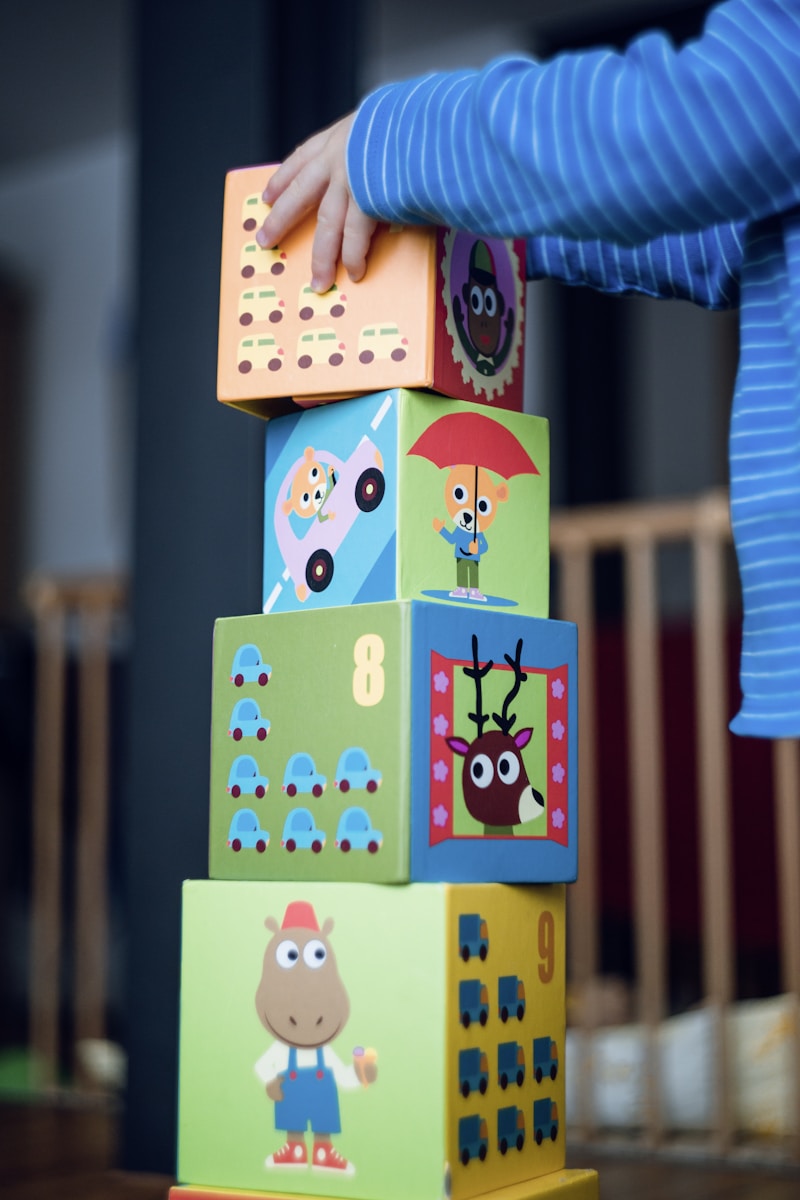
Praise Effort, Not Ability
Stanford psychologist Carol Dweck''s research on mindset has fundamentally changed how we understand the impact of praise on children. Praising a child for being smart actually decreases their willingness to take on challenges, because they become afraid of doing something that might make them look not-smart. Praising effort, strategy, and persistence, on the other hand, encourages children to embrace challenges as opportunities to grow.
How to Praise Effectively
- Instead of: You are so smart! Try: You worked really hard on that problem and figured it out.
- Instead of: You are a natural artist! Try: I can see you practiced that drawing technique and it really shows.
- Instead of: You are the best on the team! Try: Your passing has improved so much since you started practicing every afternoon.
Specific, effort-focused praise teaches children that their abilities grow through work and practice. It creates what Dweck calls a growth mindset: the belief that intelligence and skill are developed rather than fixed. Children with growth mindsets are more resilient in the face of setbacks because they interpret failure as information about what to try differently, not evidence of inadequacy.
Model Imperfection
Children learn more from what you do than from what you say. If you model perfectionism, hide your mistakes, and react with frustration when things go wrong, your children learn that mistakes are shameful and that competence means never failing. If you openly acknowledge your own mistakes, show how you recover from them, and demonstrate a healthy relationship with failure, your children learn that mistakes are a normal part of learning and growing.
Try narrating your thought process when you make a mistake: I forgot to buy milk at the store. That is frustrating, but I will add it to my list for tomorrow. Or: I made a mistake on this report at work, but I caught it and fixed it. Everyone makes mistakes. This kind of modeling normalizes imperfection and teaches resilience.

Create a Secure Base
Attachment research shows that children explore the world most confidently when they have a secure base to return to. This means being consistently available, warm, and responsive. It does not mean b For more on this, see African Wildlife Conservation Efforts Show Promising Results.eing permissive or never setting boundaries. In fact, clear, consistent boundaries actually increase a child''s sense of security because they make the world predictable and safe.
What Secure Attachment Looks Like in Practice
- Responding to your child''s emotional needs with warmth and validation
- Being physically and emotionally present during important moments
- Following through on promises and commitments
- Setting clear expectations and enforcing them with kindness rather than punishment
- Repairing the relationship quickly after conflicts or misunderstandings
Teach Emotional Vocabulary
Children who can identify and name their emotions are better equipped to manage them. Research shows that the simple act of labeling an emotion reduces its intensity, a phenomenon called affect labeling. Help your child develop a rich emotional vocabulary by naming emotions when you observe them: It looks like you are feeling frustrated that the tower keeps falling down. You seem disappointed that your friend could not come over today.
Validating emotions is equally important. Telling a child to stop crying or there is nothing to be afraid of dismisses their experience and teaches them that their feelings are wrong. Instead, acknowledge the emotion first, then help them problem-solve: I can see you are really scared about the test For more on this, see African Union Summit Focuses on Continental Free Trade Progress.tomorrow. Let us talk about what you could do to feel more prepared.
Encourage Healthy Risk-Taking
Confident children are willing to try new things, even when success is not guaranteed. This willingness develops through experience with manageable risks. Let your child try the harder climbing wall at the playground. Encourage them to audition for the school play even if they might not get the lead role. Support them in starting a conversation with a new kid at school.
The key is helping children evaluate risks reasonably rather than avoiding all risk. Ask questions like what is the worst that could happen and could you handle that outcome. This teaches risk assessment as a skill rather than instilling either recklessness or excessive caution.

Limit Comparison and Competition
Constant comparison to siblings, peers, or idealized standards erodes confidence. When children feel they are being measured against others rather than against their own previous performance, they develop an external locus of evaluation that makes their self-worth dependent on how they stack up. Focus instead on individual progress and personal growth.
The Long Game of Confidence
Building confidence in children is not a project with a completion date. It is a daily practice woven into the fabric of family life. The For more on this, see Aadhaar System: How India's Digital Identity Infrastructure Has Evolved. confident adult you want your child to become is built through thousands of small moments: the time you let them struggle and succeed, the time you praised their effort rather than their talent, the time you showed them how you recovered from your own mistake, and the time you simply sat with them when they were sad without trying to fix it.
Trust the process. Children who are given appropriate challenges, supported through difficulty, and loved unconditionally develop the deep, genuine confidence that carries them through whatever life brings. That is the confidence that matters, and it is built one day at a time.
Related Articles on BlogVerdict
Summary Comparison
| Factor | Pros | Cons | Verdict |
|---|---|---|---|
| Cost | Various options | Premium can be expensive | Good value overall |
| Quality | High standard | Varies by provider | Research recommended |
| Accessibility | Widely available | Regional differences | Improving steadily |
| Support | Community + official | Response times vary | Adequate for most |
Related Reading on BlogVerdict
Explore more on this topic:
- 10 Meals You Can Cook in Under 30 Minutes That Are Actually Healthy
- African Wildlife Conservation Efforts Show Promising Results
- Aadhaar System: How India's Digital Identity Infrastructure Has Evolved
- How Modern Parenting Is Changing in the Digital Age
- African Union Summit Focuses on Continental Free Trade Progress
Frequently Asked Questions
How long does it take to see results?
Results vary depending on individual circumstances and consistency. Most people see meaningful progress within 2-4 weeks of dedicated effort, with more significant changes appearing over 2-3 months.
Do I need prior experience to get started?
No prior experience is necessary. This guide is designed for beginners and experienced practitioners alike. Start with the fundamentals and build your skills progressively.