The Myth of Healthy Cooking Being Difficult
One of the biggest barriers to eating well is the belief that healthy meals require hours of preparation, obscure ingredients, and advanced cooking skills. This is simply not true. The healthiest cuisines in the world — Mediterranean, Japanese, Mexican — are built on simple techniques and fresh ingredients.
Key Takeaways
- The Myth of Healthy Cooking Being Difficult
- 1. One-Pan Lemon Herb Salmon
- 2. Mediterranean Chickpea Bowl
- 3. Stir-Fried Chicken and Vegetables
We have compiled ten meals that anyone can prepare in under 30 minutes, using ingredients available at any grocery store. Each recipe serves two, is nutritionally balanced, and actually tastes good enough that you will want to make it again.
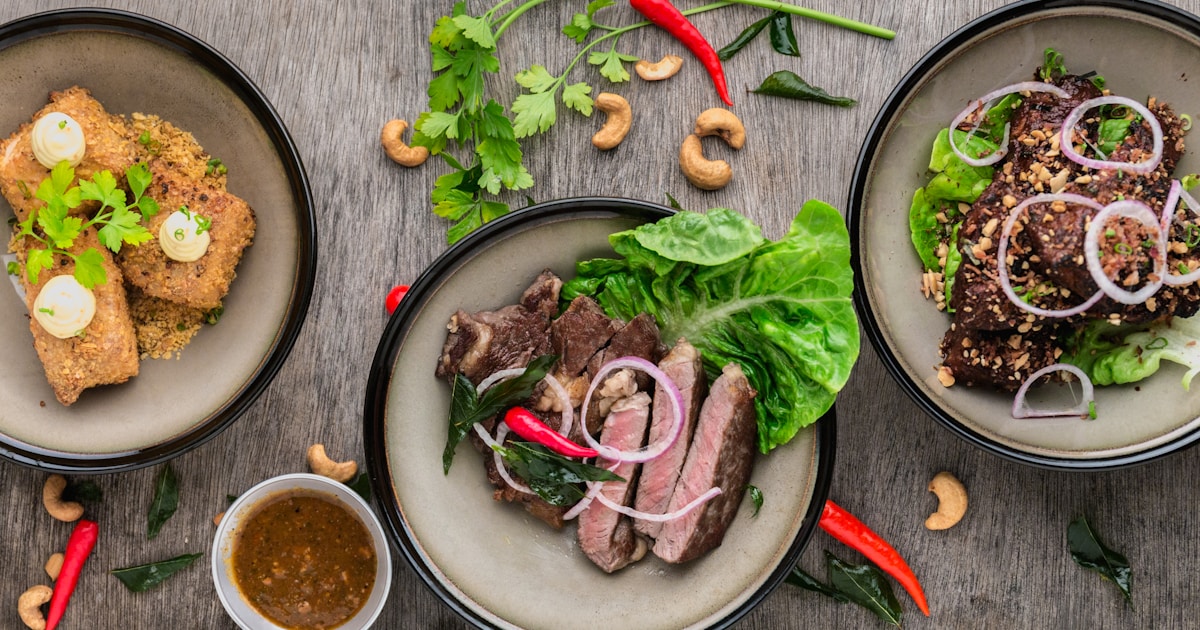
1. One-Pan Lemon Herb Salmon
Time: 20 minutes | Calories: ~450 per serving

Place salmon fillets on a sheet pan with broccoli and cherry tomatoes. Drizzle with olive oil, lemon juice, minced garlic, and dried herbs (oregano, thyme, rosemary). Season with salt and pepper. Roast at 400F for 15 minutes. The salmon should be flaky and the vegetables lightly caramelized.
Why it works: Salmon provides omega-3 fatty acids, broccoli delivers fiber and vitamins, and olive oil adds healthy monounsaturated fats.
2. Mediterranean Chickpea Bowl
Time: 15 minutes | Calories: ~420 per serving

Drain and rinse a can of chickpeas. Toss with diced cucumber, cherry tomatoes, red onion, kalamata olives, and crumbled feta cheese. Dress with olive oil, red wine vinegar, oregano, salt, and pepper. Serve over cooked quinoa or with warm pita bread.
Why it works: Chickpeas provide plant-based protein and fiber. This meal requires zero cooking and is endlessly customizable.
3. Stir-Fried Chicken and Vegetables
Time: 25 minutes | Calories: ~380 per serving
Slice chicken breast thinly and stir-fry in a hot wok with sesame oil for 4 minutes. Remove and add bell peppers, snap peas, and carrots. Cook 3 minutes. Return chicken and add sauce: soy sauce, rice vinegar, ginger, garlic, and a teaspoon of honey. Serve over brown rice.
Why it works: High protein, loaded with vegetables, and the stir-fry method preserves nutrients better than boiling.
4. Black Bean Tacos
Time: 15 minutes | Calories: ~400 per serving
Heat canned black beans with cumin, chili powder, garlic powder, and a squeeze of lime. Warm corn tortillas. Top with beans, diced avocado, shredded cabbage, salsa, and a drizzle of Greek yogurt (instead of sour cream).
Why it works: Black beans are a complete protein when paired with corn. Avocado adds healthy fats. Cabbage provides crunch and vitamin C.
5. Pasta Aglio e Olio with Spinach
Time: 20 minutes | Calories: ~450 per serving
Cook whole wheat spaghetti. While the pasta cooks, slowly toast thinly sliced garlic in generous olive oil with red pepper flakes. Add fresh spinach and let it wilt. Toss with drained pasta and reserved pasta water. Finish with parmesan and lemon zest.
Why it works: A classic Italian dish that proves you do not need cream or heavy sauces to make pasta delicious. Whole wheat adds fiber; spinach adds iron.
6. Turkey Lettuce Wraps
Time: 20 minutes | Calories: ~320 per serving
Brown ground turkey with garlic, ginger, and a splash of soy sauce. Add diced water chestnuts for crunch. Spoon into butter lettuce cups and top with shredded carrots, green onions, and a drizzle of sriracha mayo.
Why it works: Lettuce wraps eliminate empty carbs from buns while keeping all the flavor. Turkey is leaner than beef while still satisfying.
7. Sheet Pan Sausage and Vegetables
Time: 25 minutes | Calories: ~480 per serving
Slice chicken sausage and toss on a sheet pan with cubed sweet potatoes, Brussels sprouts, and red onion. Drizzle with olive oil, salt, pepper, and smoked paprika. Roast at 425F for 20 minutes, tossing halfway through.
Why it works: Sheet pan meals mean minimal cleanup. Sweet potatoes provide complex carbs and beta-carotene. Pre-cooked chicken sausage speeds up the process dramatically.
8. Greek Yogurt Power Bowl
Time: 5 minutes | Calories: ~380 per serving
Layer thick Greek yogurt with mixed berries, a drizzle of honey, a handful of granola, sliced almonds, and chia seeds. For a savory version, top yogurt with cucumber, tomato, olive oil, and everything bagel seasoning.
Why it works: Greek yogurt packs 15-20g of protein per serving. Berries add antioxidants. Nuts and seeds contribute healthy fats and fiber. This works for breakfast or a light dinner.
9. Shrimp and Avocado Rice Bowl
Time: 20 minutes | Calories: ~430 per serving
Season shrimp with chili powder and lime. Sear in a hot pan for 2 minutes per side. Serve over rice (or cauliflower rice for lower carbs) with sliced avocado, edamame, pickled ginger, and a drizzle of soy sauce mixed with sesame oil.
Why it works: Shrimp is the fastest-cooking protein available — less than 5 minutes from raw to plate. The combination of textures and flavors makes this feel restaurant-quality.
10. Veggie Quesadilla with Bean Dip
Time: 15 minutes | Calories: ~420 per serving
Fill a whole wheat tortilla with black beans, corn, diced peppers, and shredded cheese. Cook in a skillet until golden on both sides. Serve with a quick bean dip (blend white beans, garlic, lemon juice, and tahini) and a simple side salad.
Why it works: Quesadillas are endlessly adaptable. The white bean dip adds protein without the heaviness of traditional cheese dips.
The Verdict
Healthy eating does not require sacrifice — it requires strategy.
The common thread in all these meals is simplicity. Fresh ingredients, basic techniques, and minimal cleanup. Start with two or three recipes this week and rotate them into your regular cooking. Once they become second nature, add more. Consistency beats perfection — eating well 80% of the time is far better than pursuing a perfect diet you abandon after two weeks.
Related Articles on BlogVerdict
- Home Cooking Renaissance: Why Millennials Are Finally Learning to Cook (Food)
- Urban Farming in 2026: Growing Food in the City Actually Works (Food)
- Easy Home-Cooked Meals That Taste Better Than Takeout (Food)
- Best Healthy Foods to Eat on a Budget (Food)
- How to Build Healthy Habits That Actually Stick (Health)
Summary Comparison
| Factor | Pros | Cons | Verdict |
|---|---|---|---|
| Cost | Various options | Premium can be expensive | Good value overall |
| Quality | High standard | Varies by provider | Research recommended |
| Accessibility | Widely available | Regional differences | Improving steadily |
| Support | Community + official | Response times vary | Adequate for most |
Deeper Analysis
Understanding the broader context helps put this topic in perspective. Several factors contribute to the current landscape, and recognizing their interplay is essential for making informed decisions. Research from multiple domains suggests that the most effective approaches combine practical application with foundational understanding.
The evidence base for this topic has grown substantially in recent years. Studies published across academic journals and industry reports converge on several key findings that inform current best practices. Perhaps most importantly, the data shows that incremental, evidence-based approaches consistently outperform dramatic, theory-driven changes.
When evaluating options in this space, consider both the direct and indirect effects of each choice. Secondary consequences often matter more than primary ones over longer time horizons. Decision-making frameworks that account for uncertainty and adaptation tend to produce better outcomes than rigid plans.
Practical Implementation Steps
Moving from understanding to action requires a structured approach. The following framework breaks the process into manageable steps that build on each other progressively.
Phase 1: Assessment and Planning
Begin by evaluating your current situation honestly. Document where you are now, where you want to be, and the specific gaps between these two states. This assessment becomes your baseline for measuring progress. Be specific about constraints — time, budget, skills, and access to resources all affect which strategies are viable for your situation.
Phase 2: Building Foundations
With your assessment complete, focus on establishing the fundamentals. These foundational elements support everything that follows, so investing time here pays dividends later. Common foundations include developing core skills, setting up necessary tools and systems, and establishing routines that support consistent progress.
Phase 3: Execution and Iteration
Execute your plan in small batches rather than attempting everything simultaneously. After each batch, evaluate results against your baseline and adjust your approach accordingly. This iterative process helps you discover what works in your specific context rather than relying solely on generic advice.
Phase 4: Optimization and Scaling
Once you have working processes, look for opportunities to optimize them. Identify bottlenecks, eliminate unnecessary steps, and invest more in what produces the best results. Scaling successful approaches while pruning unsuccessful ones is the most efficient path to significant improvement.
Common Misconceptions
Several widespread misconceptions can lead people astray in this area. Addressing them directly helps set realistic expectations and avoid common pitfalls.
Misconception 1: More is always better. Quality consistently outperforms quantity. Whether measuring effort, resources, or output, targeted approaches produce better results than broad, unfocused ones. Focus on doing fewer things well rather than many things adequately.
Misconception 2: Results should be immediate. Meaningful progress takes time. Most worthwhile outcomes require sustained effort over weeks or months, not days. Set expectations accordingly and design your approach for consistency rather than speed.
Misconception 3: There is one right way. Multiple approaches can work effectively. The best approach depends on your specific circumstances, preferences, and constraints. Experiment with different methods and keep what works for you, even if it differs from conventional advice.
Misconception 4: Expert advice applies universally. Expert recommendations are based on general principles and research populations. Your individual situation may differ in important ways. Use expert advice as a starting point, then adapt based on your own experience and results.
Tools and Resources
The right tools make implementation significantly easier. Here are resources organized by category to help you get started and maintain progress.
- Free resources — Official websites, open-source tools, community forums, and public libraries provide excellent starting points at no cost. Many professionals started with free resources before investing in paid options
- Learning materials — Online courses, textbooks, podcasts, and YouTube channels offer structured learning paths. Look for materials with recent publication dates and positive reviews from practitioners, not just beginners
- Community support — Forums, social media groups, and local meetups connect you with others on similar paths. Community support provides accountability, troubleshooting help, and motivation during difficult periods
- Professional services — When self-directed learning reaches its limits, professional guidance can accelerate progress. Coaches, consultants, and mentors offer personalized advice that generic resources cannot provide
- Tracking tools — Spreadsheets, apps, and journals help you monitor progress and identify patterns. The specific tool matters less than the habit of regular tracking. Choose whatever you will actually use consistently
Long-Term Perspective
Taking a long-term perspective changes how you evaluate choices and measure progress. Short-term metrics often conflict with long-term outcomes, and understanding this tension helps you make better decisions.
The compounding effect applies broadly: small improvements accumulate over time to produce significant results. A one percent improvement each day amounts to a 37-fold improvement over a year. This mathematical reality argues strongly for patience and consistency over dramatic short-term efforts.
Building sustainable systems rather than relying on willpower and motivation creates more reliable long-term results. Systems that integrate naturally into your daily routine require less conscious effort to maintain, which makes them more likely to survive the inevitable periods of reduced motivation.
Finally, regular reflection and course correction ensure that your long-term direction remains aligned with your goals. Quarterly reviews of your overall approach help you identify strategic adjustments before small deviations become significant detours.
Frequently Asked Questions
What is the main point from this article?
The most important insight is that understanding the fundamentals and staying informed about developments in this area can help you make better decisions and stay ahead of important changes.
Where can I learn more about this topic?
We recommend exploring the linked resources throughout this article, following authoritative sources in this field, and checking BlogVerdict regularly for updated coverage and analysis.