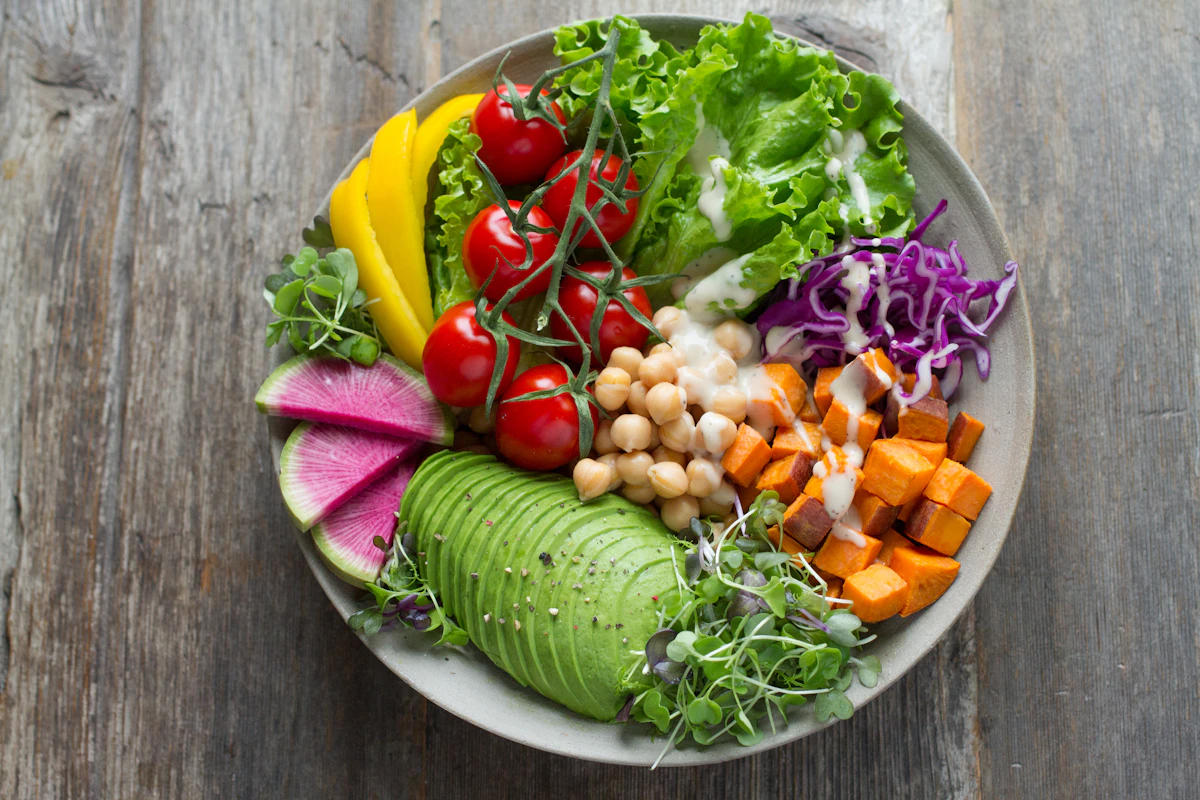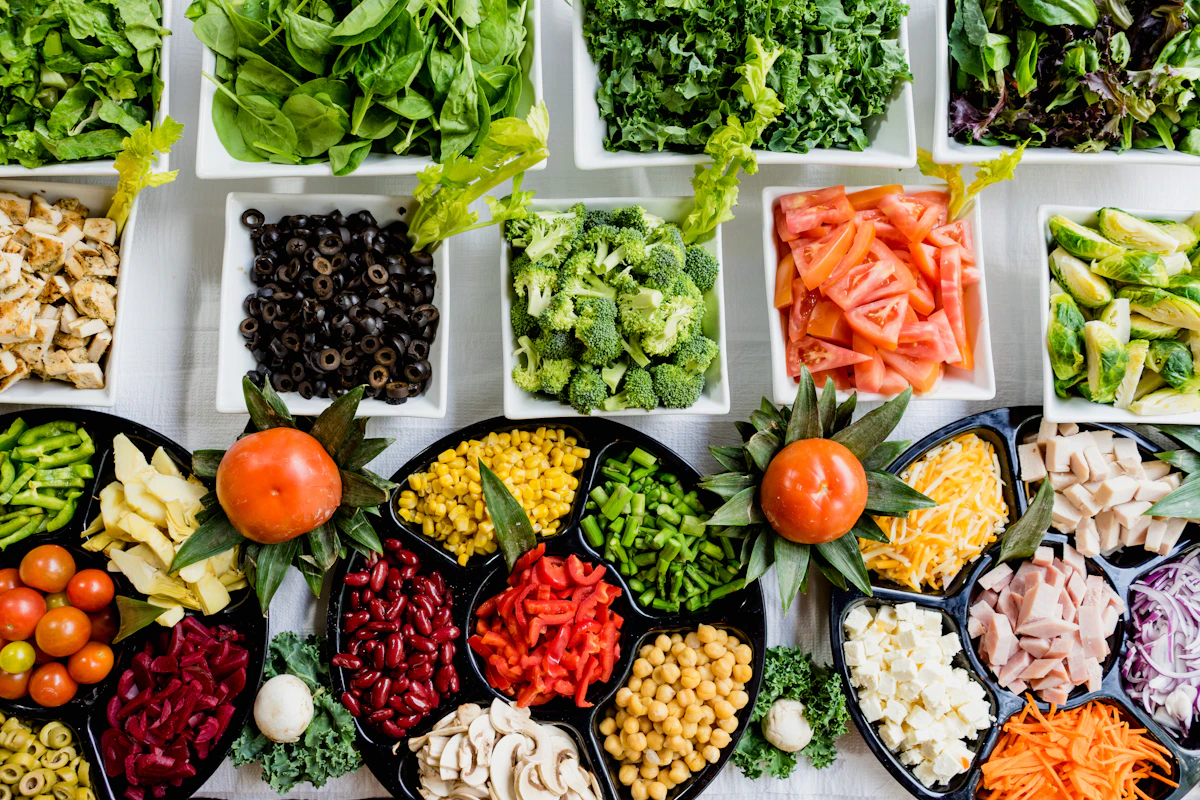
There is a persistent myth that eating healthy requires a fat wallet. Walk into any upscale grocery store and you will find organic quinoa bowls priced like restaurant entrees, cold-pressed juices that cost more than a gallon of gas, and supplements with price tags that would make a pharmacist blush. But here is the truth that the wellness industry does not want you to hear: the healthiest foods on the planet are also some of the cheapest.
Key Takeaways
- Why Healthy Eating Feels Expensive (But Is Not)
- The Top 15 Budget-Friendly Healthy Foods
- Building Complete Meals on a Budget
- Smart Shopping Strategies
Whether you are a college student surviving on a tight budget, a family trying to stretch every dollar, or simply someone who refuses to overpay for nutrition, this guide will show you exactly which foods deliver the most nutritional value per dollar and how to turn them into meals you actually want to eat.
Why Healthy Eating Feels Expensive (But Is Not)
The confusion comes from marketing. Companies charge premium prices for foods labeled "superfood," "organic," or "plant-based," creating the illusion that health requires wealth. In reality, the foods that nutritionists consistently recommend, such as beans, eggs, frozen vegetables, and whole grains, have been staples of affordable eating for generations.

A 2025 study from the USDA found that a nutritionally complete diet can cost as little as $6 to $8 per person per day when built around whole, unprocessed foods. Compare that to the average American spending $15 or more daily, much of it on convenience foods that offer fewer nutrients per calorie.
The Real Cost of Cheap Junk Food
Fast food and processed snacks might seem cheaper in the moment, but they deliver empty calories that leave you hungry sooner. A dollar menu burger gives you a quick 400 calories, but you will be hungry again in two hours. A dollar''s worth of dried lentils gives you roughly 1,000 calories of protein-rich, fiber-packed food that keeps you full for hours.

The Top 15 Budget-Friendly Healthy Foods
1. Dried Beans and Lentils
At roughly $1.50 per pound, dried beans are the undisputed champion of budget nutrition. A single pound yields about 10 servings and delivers protein, fiber, iron, and folate. Black beans, pinto beans, chickpeas, and lentils are all excellent choices. Lentils have a particular advantage: they cook in 20 minutes without soaking.
2. Eggs
Even with price fluctuations, eggs remain one of the most nutrient-dense foods per dollar. Each egg contains 6 grams of complete protein, vitamin D, choline, and B12. At around $3 to $4 per dozen, that is roughly 25 to 30 cents per serving of high-quality protein. Scrambled, boiled, poached, or baked into frittatas, eggs are endlessly versatile.
3. Frozen Vegetables
Frozen vegetables are flash-frozen at peak ripeness, which means they often contain more nutrients than fresh produce that has spent days in transit. A bag of frozen broccoli, spinach, or mixed vegetables costs $1 to $2 and provides multiple servings. They never go bad in the freezer, eliminating the food waste that makes fresh produce expensive in practice.
4. Oats
A canister of old-fashioned oats costs about $3 and lasts for weeks. Oats deliver soluble fiber that supports heart health, complex carbohydrates for sustained energy, and a blank canvas for toppings. Make overnight oats, bake them into granola, or cook a warm bowl in five minutes.
5. Brown Rice
Brown rice costs about $1.50 per pound and provides whole-grain fiber, manganese, and B vitamins. It stores for months in a cool pantry and forms the base of countless meals, from stir-fries to grain bowls to stuffed peppers.
6. Canned Tuna and Sardines
Canned fish delivers omega-3 fatty acids and protein at a fraction of the cost of fresh seafood. A can of tuna costs about $1.50 and contains 20 to 25 grams of protein. Sardines are even more nutrient-dense, offering calcium from their edible bones along with omega-3s and vitamin D.
7. Bananas
At around 25 cents each, bananas are the cheapest fruit available in most grocery stores. They provide potassium, vitamin B6, and natural sugars for quick energy. They are also the perfect portable snack, no washing or preparation required.
8. Cabbage
A head of cabbage costs about $1 to $2 and yields an enormous volume of food. It is rich in vitamin C, vitamin K, and fiber. Shred it into coleslaw, stir-fry it with garlic, braise it, or use the leaves as wraps. Cabbage lasts weeks in the refrigerator, making it one of the most practical fresh vegetables you can buy.
9. Sweet Potatoes
Sweet potatoes offer a powerhouse of vitamin A, fiber, and complex carbohydrates for about $1 per pound. Bake them whole, cube them for roasting, or mash them as a side dish. Their natural sweetness makes them appealing even to picky eaters.
10. Peanut Butter
Natural peanut butter provides healthy fats, protein, and calories for sustained energy. A jar costs $3 to $5 and delivers roughly 15 servings. Spread it on toast, blend it into smoothies, or use it as a dip for apple slices and celery.
Building Complete Meals on a Budget
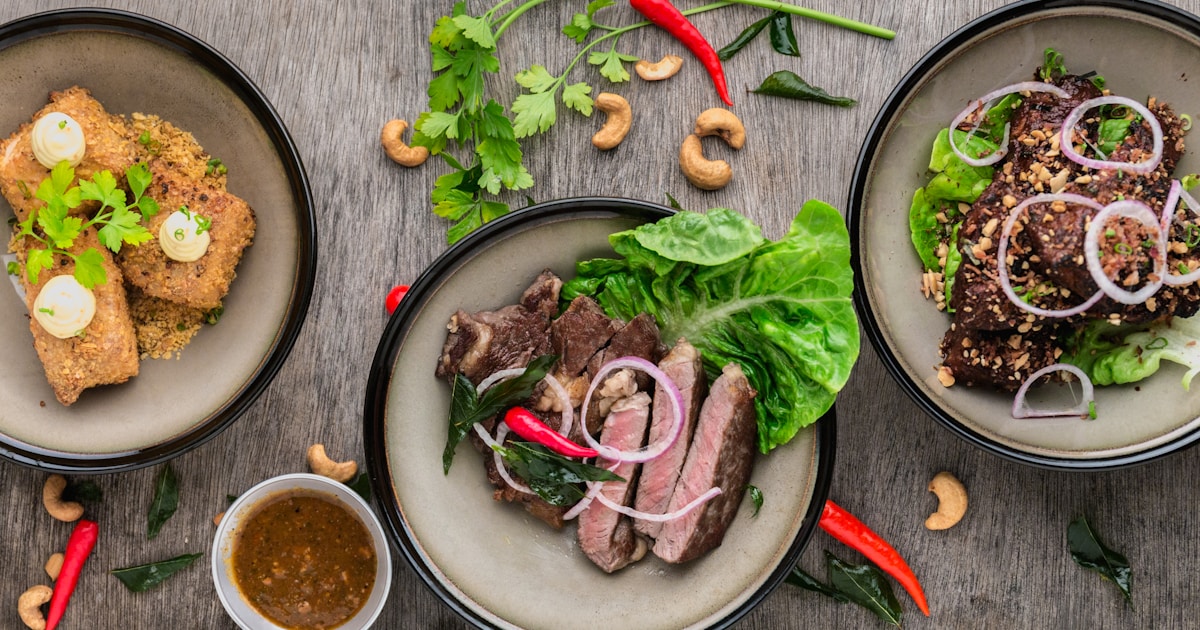
Knowing which individual foods are affordable is only half the battle. The real skill is combining them into satisfying, nutritionally complete meals. Here is a simple framework:
- Protein base: Beans, lentils, eggs, canned fish, or peanut butter
- Complex carbohydrate: Brown rice, oats, sweet potatoes, or whole wheat bread
- Vegetables: Frozen mixed vegetables, cabbage, carrots, or canned tomatoes
- Flavor boosters: Garlic, onions, spices, vinegar, soy sauce, or hot sauce
Sample Budget Meal Plan (One Day, Under $7)
Breakfast: Oatmeal topped with a sliced banana and a tablespoon of peanut butter. Cost: about $0.75.
Lunch: Black bean and rice bowl with frozen mixed vegetables and hot sauce. Cost: about $1.50.
Dinner: Lentil soup with cabbage, carrots, canned tomatoes, and spices, served with a slice of whole wheat bread. Cost: about $2.00.
Snacks: Two hard-boiled eggs and a banana. Cost: about $0.75.
Smart Shopping Strategies
The foods you buy matter, but how you shop matters just as much. These strategies can cut your grocery bill by 20 to 40 percent without sacrificing nutrition:
- Buy in bulk: Rice, beans, oats, and spices are dramatically cheaper when purchased in large quantities from warehouse stores or bulk bins.
- Shop seasonally: Fresh produce is cheapest and most nutritious when it is in season locally. In winter, lean on frozen vegetables and root vegetables like carrots and sweet potatoes.
- Avoid the center aisles: Most processed, overpriced foods live in the middle of the grocery store. Stick to the perimeter for fresh foods and the bulk section for pantry staples.
- Embrace store brands: Generic and store-brand products are typically identical in quality to name brands but cost 20 to 30 percent less.
- Plan your meals: Meal planning reduces impulse purchases and food waste, which is the biggest hidden cost in most grocery budgets.
Batch Cooking: Your Budget''s Best Friend
Cooking in batches saves both money and time. When you prepare a large pot of lentil soup, a big batch of brown rice, or a dozen hard-boiled eggs at once, you create ready-to-eat meals for the entire week. This reduces the temptation to order takeout on busy nights and ensures you always have something nutritious available.
Invest in a set of reusable containers and dedicate one or two hours on a weekend to batch cooking. The upfront time investment pays dividends all week long in saved money, reduced stress, and better nutrition.
The Bottom Line
Healthy eating on a budget is not about deprivation or eating the same boring meals every day. It is about knowing which foods deliver the best nutritional value per dollar and learning to combine them creatively. Beans, eggs, frozen vegetables, oats, and brown rice form a foundation that is both incredibly cheap and incredibly nutritious. Add smart shopping habits and batch cooking, and you have a system that keeps you healthy without ever breaking the bank.
Start with just one change this week: replace one takeout meal with a home-cooked bean and rice bowl. You will save money, eat better, and discover that the best nutrition does not come with a premium price tag.
Related Articles on BlogVerdict
- Street Food Revolution: The 15 Best Cities for Eating on the Go in 2026 (Food)
- 10 Meals You Can Cook in Under 30 Minutes That Are Actually Healthy (Food)
- Best Meal Prep Ideas for Busy People: Complete Guide (Food)
- Best Budget Fitness Trackers for 2026 (Fitness)
- How to Choose the Best Running Shoes for Any Budget (Fitness)
Summary Comparison
| Factor | Pros | Cons | Verdict |
|---|---|---|---|
| Cost | Various options | Premium can be expensive | Good value overall |
| Quality | High standard | Varies by provider | Research recommended |
| Accessibility | Widely available | Regional differences | Improving steadily |
| Support | Community + official | Response times vary | Adequate for most |
Frequently Asked Questions
How were these selections chosen?
Selections are based on a combination of expert analysis, user reviews, real-world performance testing, and value for money. We update our recommendations regularly as new options become available.
Are these recommendations suitable for beginners?
Yes. We include options for all skill levels and budgets, with clear explanations of what makes each choice stand out.