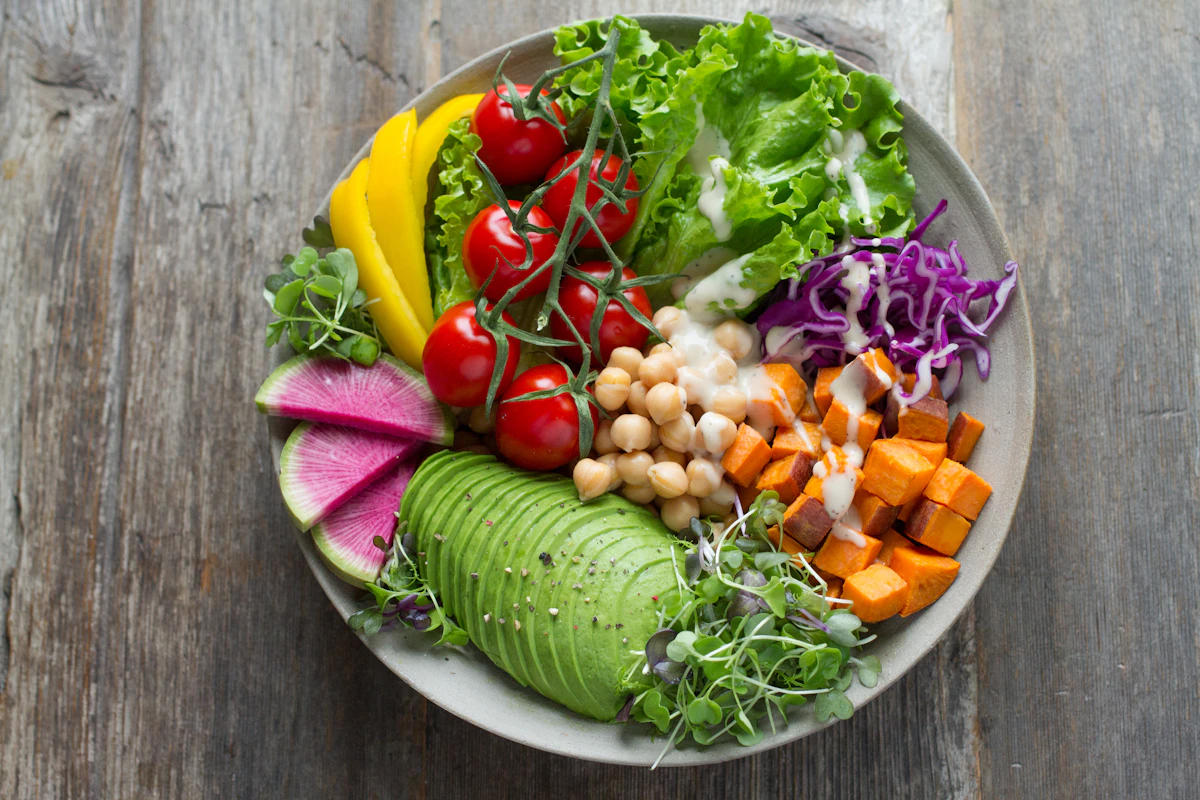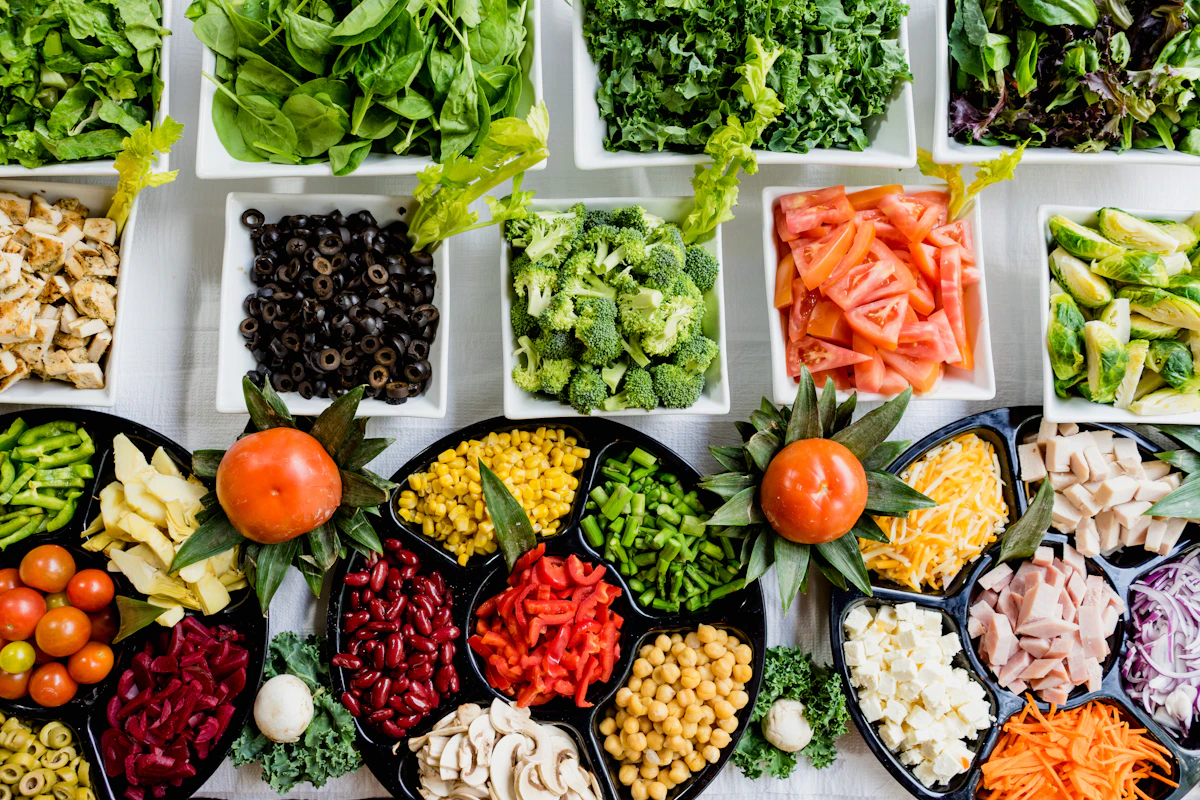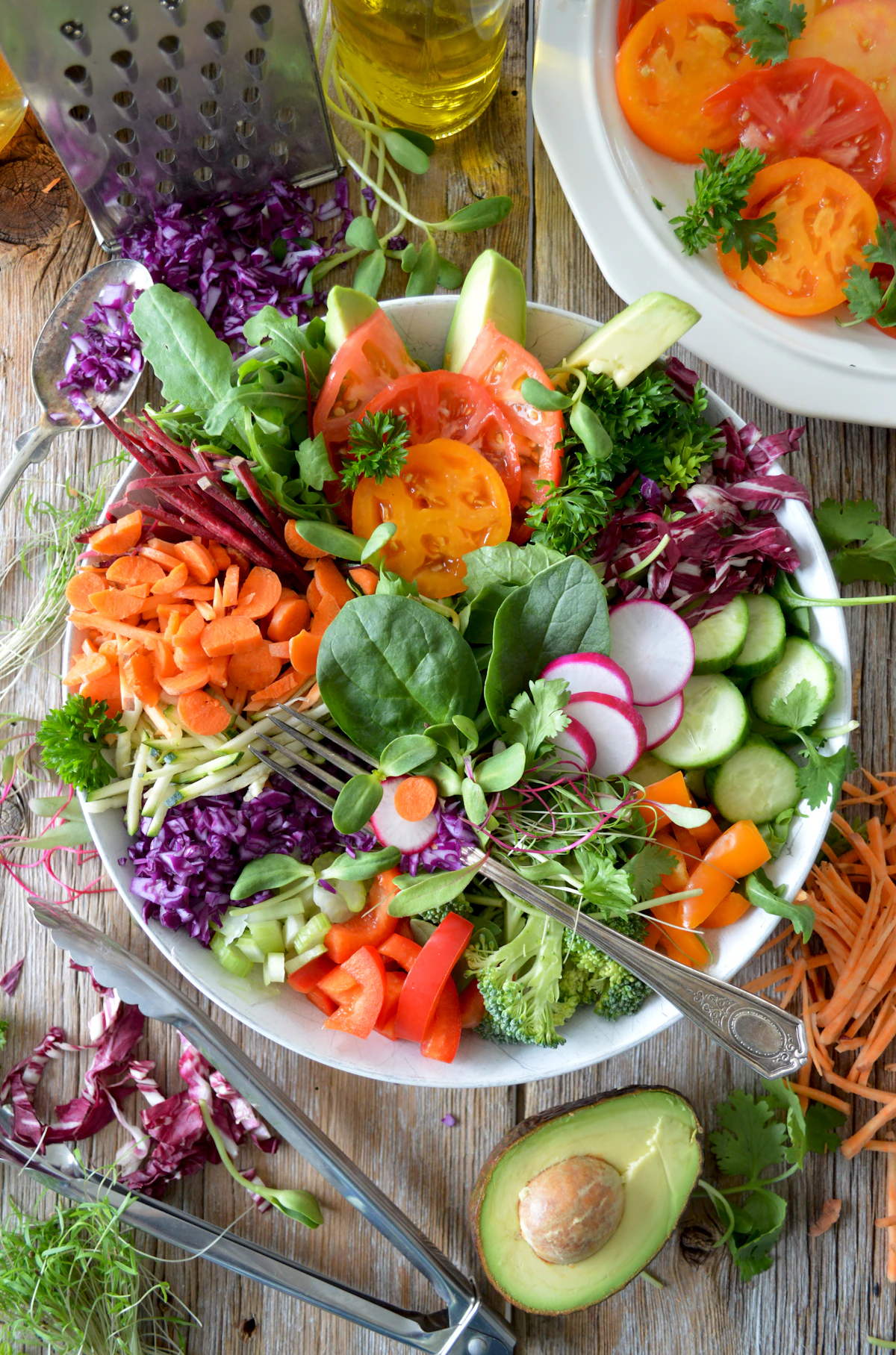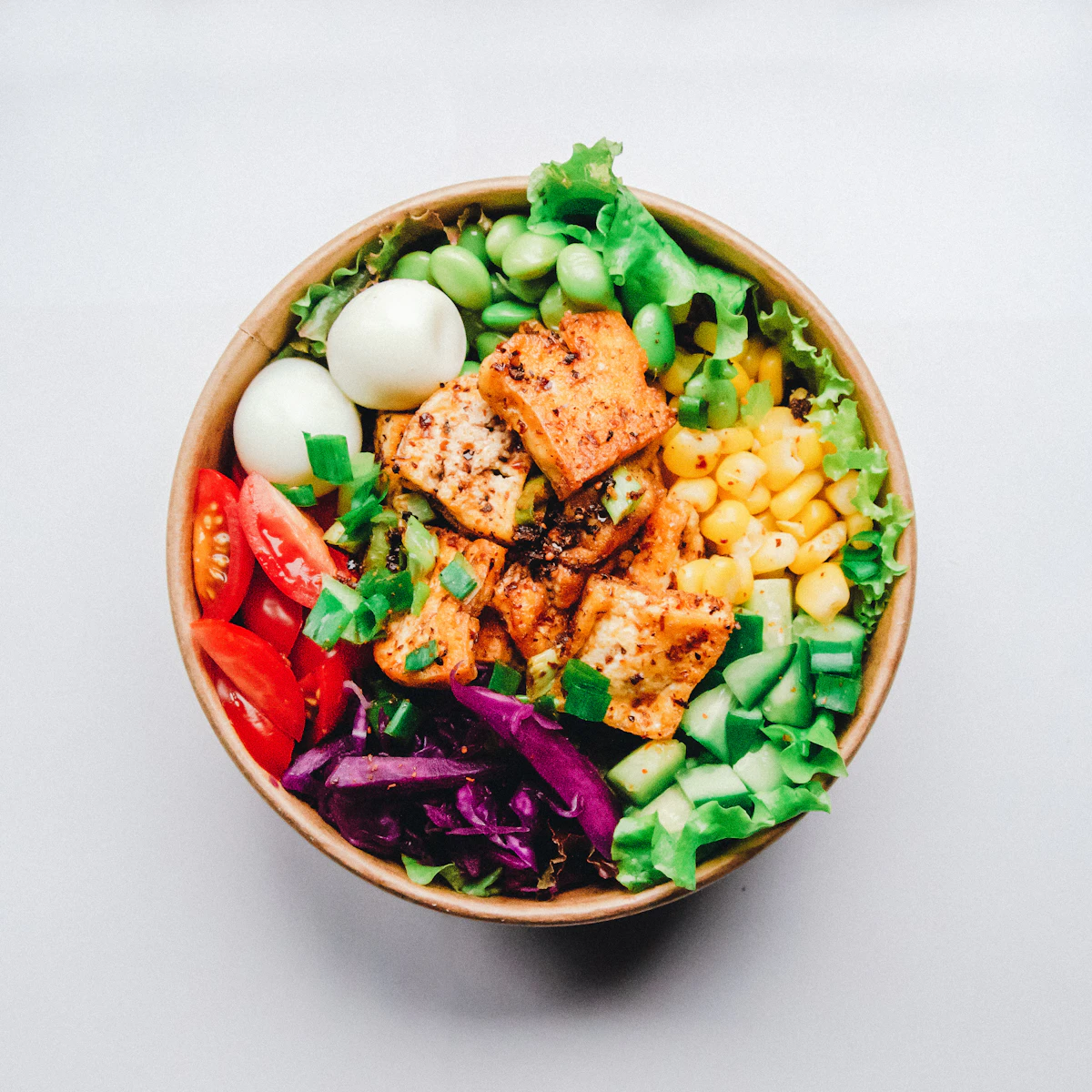
Meal prepping is not about spending your entire Sunday in the kitchen or eating the same bland chicken and rice for seven days straight. Done right, it is a practical system that saves you 5-10 hours per week, cuts your food spending by 30-50%, and ensures you eat nutritious meals even on your busiest days.
Key Takeaways
- Why Meal Prep Works
- Essential Meal Prep Equipment
- Meal Prep Strategy 1: Batch Cooking (Best for Beginners)
- Meal Prep Strategy 2: Full Meal Assembly
This guide covers everything you need to start meal prepping effectively: the mindset shift that makes it sustainable, the equipment you actually need, proven strategies for different lifestyles, and specific recipes that taste great on day one and day five.
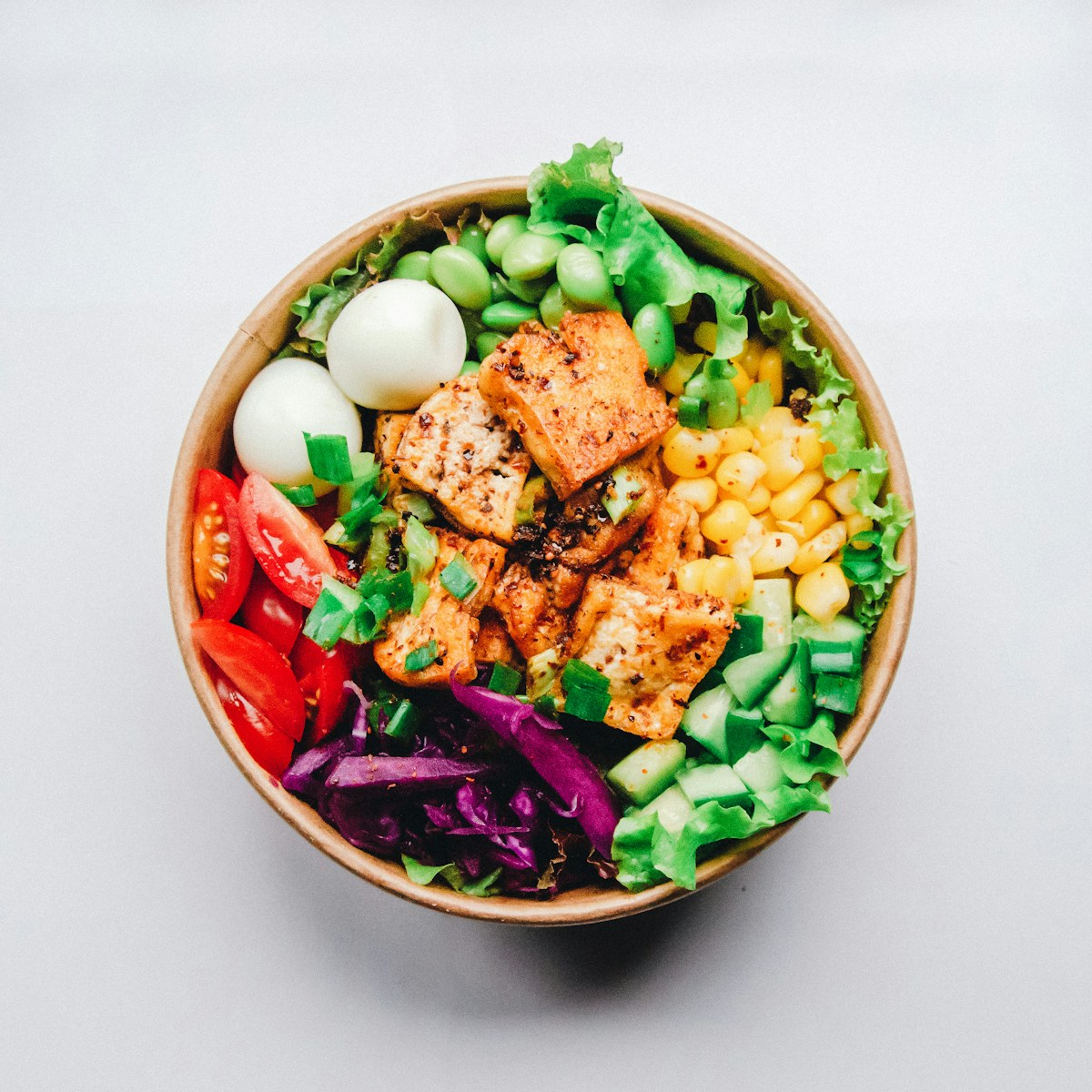
Why Meal Prep Works
The biggest enemy of healthy eating is not lack of knowledge — it is lack of time and decision fatigue. After a long day, the path of least resistance is ordering takeout or grabbing whatever is fastest. Meal prep removes the decision entirely. When healthy food is already made and waiting in your fridge, eating well becomes the easiest option.
The Real Benefits
- Time savings — Cooking once serves you all week. Even a 2-hour Sunday session replaces 7-10 individual cooking sessions
- Money savings — Buying ingredients in bulk and cooking at home costs a fraction of eating out or ordering delivery
- Healthier eating — You control portions, ingredients, and nutrition. No hidden sugars, excess sodium, or mystery ingredients
- Reduced food waste — Planning ahead means buying only what you need and using everything you buy
- Less stress — Eliminating the daily question of what to eat frees up mental energy for more important decisions
Essential Meal Prep Equipment
You do not need specialized equipment to meal prep. Most of what you need is probably already in your kitchen:

- Glass meal prep containers (set of 10-12) — Glass is microwave-safe, does not stain, and does not retain odors like plastic. Look for leak-proof lids
- Large sheet pans (2-3) — Sheet pan meals let you roast proteins and vegetables simultaneously
- A sharp chef''s knife — Chopping is the most time-consuming part of meal prep. A sharp knife makes it faster and safer
- Large cutting board — Bigger than you think you need
- Instant Pot or slow cooker — Optional but significant for hands-off cooking of grains, proteins, and soups
Meal Prep Strategy 1: Batch Cooking (Best for Beginners)
The simplest approach: cook large quantities of individual components and mix them throughout the week.
The Formula
- Pick 2 proteins — Chicken thighs, ground turkey, tofu, salmon, or beans
- Pick 2 grains or starches — Rice, quinoa, sweet potatoes, or pasta
- Pick 3-4 vegetables — Broccoli, bell peppers, zucchini, spinach, carrots, or green beans
- Make 2 sauces or dressings — Teriyaki, peanut sauce, chimichurri, or lemon tahini
Cook everything separately, store in containers, and combine into different meals throughout the week. Monday might be chicken with rice and teriyaki broccoli. Wednesday could be the same chicken with quinoa and peanut sauce vegetables. Same ingredients, completely different meals.
Sample Batch Cook Session (2 Hours)
- Start rice and quinoa in separate pots or a rice cooker
- Season chicken thighs and place on a sheet pan
- Cut all vegetables while the oven preheats
- Roast chicken at 400F for 25-30 minutes
- Roast vegetables on a second sheet pan alongside the chicken
- While things roast, make two sauces and prepare any raw salad components
- Let everything cool, then portion into containers
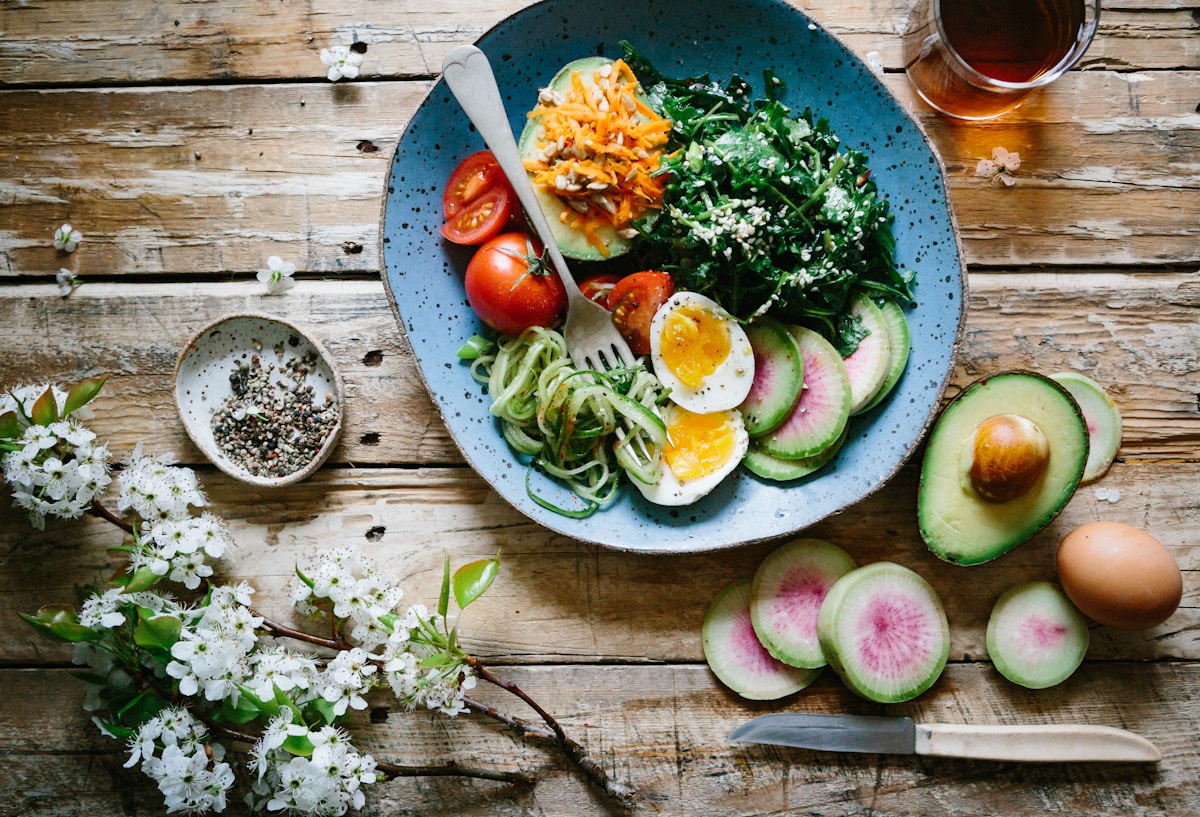
Meal Prep Strategy 2: Full Meal Assembly
Instead of cooking components separately, prepare complete meals that are ready to reheat and eat. This works best when you do not mind eating similar meals several days in a row.
Recipe: Sheet Pan Chicken Fajitas (Makes 5 Servings)
- 2 pounds chicken breast, sliced into strips
- 3 bell peppers (mixed colors), sliced
- 2 onions, sliced
- 3 tablespoons olive oil
- 2 tablespoons fajita seasoning (or: cumin, chili powder, garlic powder, paprika, salt)
Toss everything on two sheet pans with oil and seasoning. Roast at 400F for 20-25 minutes. Serve over rice with salsa, sour cream, and tortillas. Stores well for 5 days.
Recipe: Turkey Meatball Bowls (Makes 5 Servings)
- 2 pounds ground turkey
- 1 egg, breadcrumbs, garlic, Italian seasoning
- Your choice of grain (rice, quinoa, or couscous)
- Roasted vegetables of choice
- Sauce: marinara, tzatziki, or peanut sauce
Form meatballs and bake at 400F for 20 minutes. Assemble bowls with grain, vegetables, meatballs, and sauce. Each bowl takes 3 minutes to microwave and tastes great all week.
Meal Prep Strategy 3: Freezer Meals
Freezer meals extend your prep even further. Spend one day making large batches of freezer-friendly meals, and you have weeks of ready-to-eat dinners.
Best Foods for Freezing
- Soups and stews — Freeze perfectly and often taste better after thawing
- Chili — One of the most freezer-friendly meals. Make a huge batch and portion into individual servings
- Burritos — Wrap individually in foil, freeze, and microwave for a quick lunch
- Casseroles — Assemble in foil pans, freeze, and bake directly from frozen
- Marinated proteins — Freeze raw protein in marinade. It marinates as it thaws, saving time and adding flavor
Foods That Do Not Freeze Well
- Raw vegetables with high water content (lettuce, cucumber, tomatoes)
- Dairy-based sauces (they separate when thawed)
- Cooked pasta (becomes mushy — add pasta fresh when reheating)
- Fried foods (lose their crispiness entirely)
Weekly Meal Prep Plan for Beginners
| Meal | Mon-Tue | Wed-Thu | Fri |
|---|---|---|---|
| Breakfast | Overnight oats | Egg muffins | Smoothie (frozen fruit) |
| Lunch | Chicken + rice + teriyaki veggies | Turkey meatball bowls | Leftover choice |
| Dinner | Sheet pan fajitas | Salmon + sweet potato | Eat out / fresh cook |
| Snacks | Pre-portioned nuts, cut fruit, hummus + veggies, Greek yogurt | ||
Meal Prep Tips for Success
Start Small
Do not try to prep every meal for the entire week on your first attempt. Start with prepping lunches only. Once that becomes routine, add breakfasts. Then dinners. Gradual progression prevents burnout.
Make it Enjoyable
Put on a podcast, playlist, or show while you cook. Meal prep time should feel like relaxation, not a chore. Many people find the process meditative once it becomes routine.
Rotate Recipes
Eating the same meals for weeks on end leads to meal prep fatigue. Rotate your recipes every 2-3 weeks. Keep a running list of recipes that work well and cycle through them.
Label and Date Everything
Use masking tape and a marker to label containers with the contents and date prepared. Most prepped meals last 4-5 days in the refrigerator. Frozen meals last 2-3 months.
Invest in Quality Containers
Leaky containers and stained plastic will kill your motivation. Glass containers with snap-lock lids cost more upfront but last for years and make reheating easy.
Final Thoughts
Meal prep is not a diet. It is a system for making healthy eating convenient. The specific meals do not matter as much as the habit of preparing food in advance. Start with whatever recipes you already enjoy, make them in larger quantities, and store them properly. Once the habit is established, you will wonder how you ever managed without it.
The two hours you spend meal prepping on Sunday will save you ten hours and hundreds of dollars throughout the week. That is the kind of time investment that pays for itself many times over.
Related Articles on BlogVerdict
- Mediterranean Diet: A Complete Beginner’s Guide to Eating Well (Food)
- The Complete Guide to Sustainable Eating in 2026 (Food)
- Mediterranean Diet: A Complete Beginners Guide (Food)
- Mediterranean Diet: A Complete Beginner Guide (Food)
- Best Protein Powders for Beginners: Complete Guide (Fitness)
Frequently Asked Questions
How long does it take to see results?
Results vary depending on individual circumstances and consistency. Most people see meaningful progress within 2-4 weeks of dedicated effort, with more significant changes appearing over 2-3 months.
Do I need prior experience to get started?
No prior experience is necessary. This guide is designed for beginners and experienced practitioners alike. Start with the fundamentals and build your skills progressively.