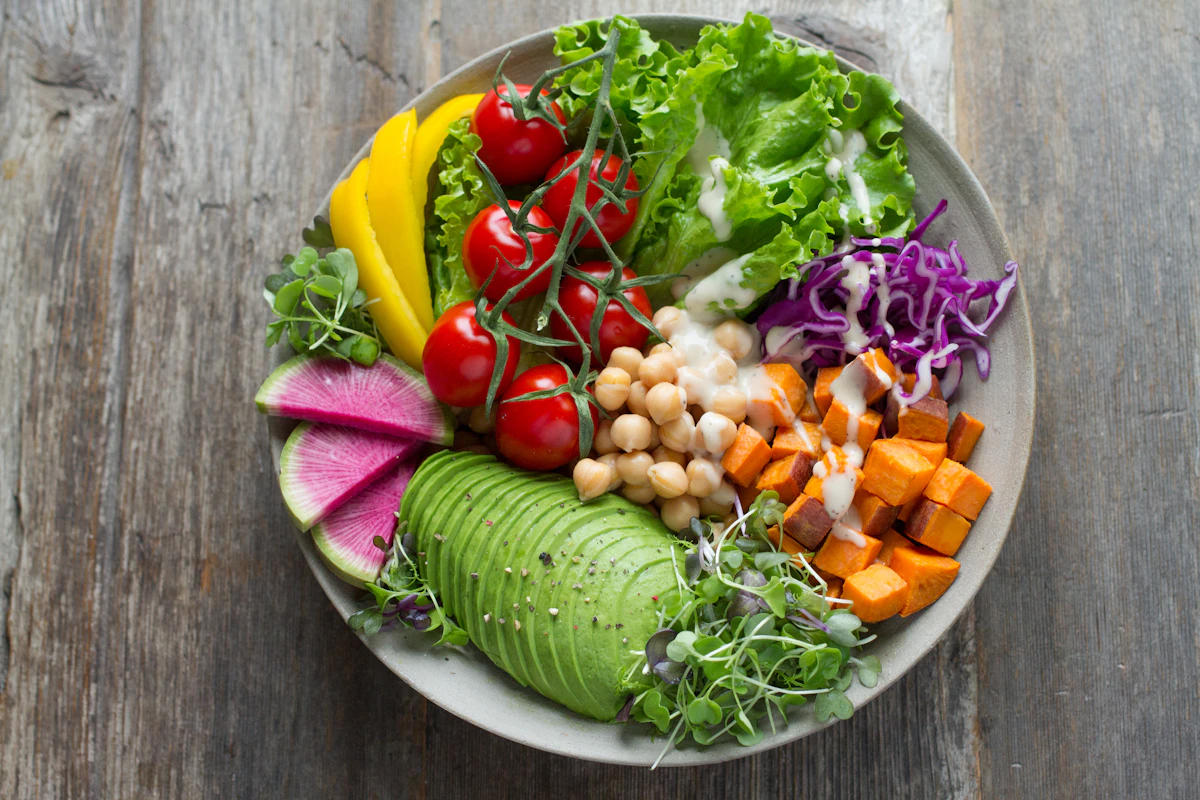
The food system accounts for roughly one-third of global greenhouse gas emissions. What you eat matters, not just for your health, but for the planet. The good news is that sustainable eating in 2026 is easier, more affordable, and more delicious than ever before. Here is a detailed guide to making your diet part of the climate solution.
Key Takeaways
- Understanding the Environmental Impact of Food
- The Practical Framework: Start Where You Are
- The Plant-Based Revolution in 2026
- Seasonal Eating: A Return to Basics
Understanding the Environmental Impact of Food
Not all foods are created equal when it comes to environmental impact. The differences are enormous:
- Beef production generates 60 kg of CO2 equivalent per kilogram of food produced
- Cheese produces about 21 kg of CO2 equivalent per kilogram
- Chicken generates roughly 6 kg per kilogram
- Legumes produce less than 1 kg per kilogram
- Most vegetables fall below 2 kg per kilogram
These numbers mean that shifting even a portion of your diet from high-impact to low-impact foods can make a meaningful difference to your personal carbon footprint.
The Practical Framework: Start Where You Are
Sustainable eating does not require perfection. The most effective approach is incremental change that you can maintain long-term. Here is a tiered framework:

Level 1: Simple Swaps
These changes require minimal effort and no special knowledge:
- Replace beef with chicken or pork two to three times per week
- Choose seasonal produce at the grocery store
- Reduce food waste by planning meals and using leftovers intentionally
- Switch from bottled water to filtered tap water
- Buy whole foods rather than heavily processed alternatives

Level 2: Meaningful Changes
Once the basics are comfortable, these steps have a larger impact:
- Adopt "Meatless Mondays" or designate two to three plant-based days per week
- Shop at local farmers markets when available for seasonal, low-transport produce
- Learn to cook with legumes, beans, and lentils as protein sources
- Compost food scraps if your municipality offers collection, or start a home compost bin
- Choose sustainably sourced seafood using guides from organizations like the Marine Stewardship Council
Level 3: Deep Commitment
For those ready to make significant changes:
- Adopt a predominantly plant-based diet with occasional animal products
- Grow some of your own food, even herbs on a windowsill count
- Join a Community Supported Agriculture program for direct-from-farm produce
- Eliminate single-use food packaging where possible
- Advocate for sustainable food policies in your community
The Plant-Based Revolution in 2026
The plant-based food market has evolved dramatically. Early products that prioritized mimicking meat at the expense of nutrition and taste have given way to a new generation of genuinely delicious, nutritious options.
Notable developments include:
- Precision fermentation products that replicate dairy proteins without cows, producing cheese and yogurt that are nearly indistinguishable from conventional versions
- Whole-food plant-based products that embrace their ingredients rather than hiding them
- Cultivated meat reaching price parity with conventional meat in Singapore and select markets
- Improved plant-based seafood that addresses overfishing concerns
Seasonal Eating: A Return to Basics
One of the simplest ways to eat more sustainably is to eat seasonally. Out-of-season produce requires either energy-intensive greenhouse growing or long-distance transportation, both of which increase environmental impact significantly.
Spring and summer offer abundant local options in most temperate climates: berries, stone fruits, tomatoes, zucchini, peppers, and leafy greens. Fall brings squash, apples, pears, and root vegetables. Winter is the time for stored crops like potatoes, onions, cabbage, and preserved foods.
Tackling Food Waste
Globally, roughly one-third of all food produced is wasted. At the household level, this represents both an environmental cost and a financial one. The average family discards $1,500 worth of food annually.
Practical strategies to reduce waste:
- Plan meals before shopping and buy only what you need
- Understand that "best before" dates indicate quality, not safety
- Use your freezer strategically for bread, produce approaching expiration, and batch-cooked meals
- Learn to use vegetable scraps for stocks and broths
- Download apps like Too Good To Go to purchase discounted surplus food from restaurants and stores
Nutrition Considerations
A common concern about sustainable eating is nutritional adequacy. The evidence is reassuring. Well-planned plant-forward diets meet all nutritional needs, with a few considerations:
- Protein: Combine legumes, grains, nuts, and seeds throughout the day for complete amino acid profiles
- Vitamin B12: Supplement if eating a fully plant-based diet, as no plant foods provide adequate B12
- Iron: Plant-based iron is less bioavailable; pair iron-rich foods with vitamin C to enhance absorption
- Omega-3: Include flaxseeds, chia seeds, walnuts, or consider an algae-based supplement
The Bottom Line
Sustainable eating in 2026 is not about deprivation. It is about making informed choices that benefit both your health and the environment. Start with simple swaps, build sustainable habits gradually, and remember that imperfect action from millions of people has far more impact than perfect action from a few. Every meal is an opportunity to vote for the food system you want to see.
Related Articles on BlogVerdict
- Mediterranean Diet: A Complete Beginner’s Guide to Eating Well (Food)
- Mediterranean Diet: A Complete Beginners Guide (Food)
- Best Meal Prep Ideas for Busy People: Complete Guide (Food)
- Street Food Revolution: The 15 Best Cities for Eating on the Go in 2026 (Food)
- Mediterranean Diet: A Complete Beginner Guide (Food)
Summary Comparison
| Factor | Pros | Cons | Verdict |
|---|---|---|---|
| Cost | Various options | Premium can be expensive | Good value overall |
| Quality | High standard | Varies by provider | Research recommended |
| Accessibility | Widely available | Regional differences | Improving steadily |
| Support | Community + official | Response times vary | Adequate for most |
Deeper Analysis
Understanding the broader context helps put this topic in perspective. Several factors contribute to the current landscape, and recognizing their interplay is essential for making informed decisions. Research from multiple domains suggests that the most effective approaches combine practical application with foundational understanding.
The evidence base for this topic has grown substantially in recent years. Studies published across academic journals and industry reports converge on several key findings that inform current best practices. Perhaps most importantly, the data shows that incremental, evidence-based approaches consistently outperform dramatic, theory-driven changes.
When evaluating options in this space, consider both the direct and indirect effects of each choice. Secondary consequences often matter more than primary ones over longer time horizons. Decision-making frameworks that account for uncertainty and adaptation tend to produce better outcomes than rigid plans.
Practical Implementation Steps
Moving from understanding to action requires a structured approach. The following framework breaks the process into manageable steps that build on each other progressively.
Phase 1: Assessment and Planning
Begin by evaluating your current situation honestly. Document where you are now, where you want to be, and the specific gaps between these two states. This assessment becomes your baseline for measuring progress. Be specific about constraints — time, budget, skills, and access to resources all affect which strategies are viable for your situation.
Phase 2: Building Foundations
With your assessment complete, focus on establishing the fundamentals. These foundational elements support everything that follows, so investing time here pays dividends later. Common foundations include developing core skills, setting up necessary tools and systems, and establishing routines that support consistent progress.
Phase 3: Execution and Iteration
Execute your plan in small batches rather than attempting everything simultaneously. After each batch, evaluate results against your baseline and adjust your approach accordingly. This iterative process helps you discover what works in your specific context rather than relying solely on generic advice.
Phase 4: Optimization and Scaling
Once you have working processes, look for opportunities to optimize them. Identify bottlenecks, eliminate unnecessary steps, and invest more in what produces the best results. Scaling successful approaches while pruning unsuccessful ones is the most efficient path to significant improvement.
Common Misconceptions
Several widespread misconceptions can lead people astray in this area. Addressing them directly helps set realistic expectations and avoid common pitfalls.
Misconception 1: More is always better. Quality consistently outperforms quantity. Whether measuring effort, resources, or output, targeted approaches produce better results than broad, unfocused ones. Focus on doing fewer things well rather than many things adequately.
Misconception 2: Results should be immediate. Meaningful progress takes time. Most worthwhile outcomes require sustained effort over weeks or months, not days. Set expectations accordingly and design your approach for consistency rather than speed.
Misconception 3: There is one right way. Multiple approaches can work effectively. The best approach depends on your specific circumstances, preferences, and constraints. Experiment with different methods and keep what works for you, even if it differs from conventional advice.
Misconception 4: Expert advice applies universally. Expert recommendations are based on general principles and research populations. Your individual situation may differ in important ways. Use expert advice as a starting point, then adapt based on your own experience and results.
Tools and Resources
The right tools make implementation significantly easier. Here are resources organized by category to help you get started and maintain progress.
- Free resources — Official websites, open-source tools, community forums, and public libraries provide excellent starting points at no cost. Many professionals started with free resources before investing in paid options
- Learning materials — Online courses, textbooks, podcasts, and YouTube channels offer structured learning paths. Look for materials with recent publication dates and positive reviews from practitioners, not just beginners
- Community support — Forums, social media groups, and local meetups connect you with others on similar paths. Community support provides accountability, troubleshooting help, and motivation during difficult periods
- Professional services — When self-directed learning reaches its limits, professional guidance can accelerate progress. Coaches, consultants, and mentors offer personalized advice that generic resources cannot provide
- Tracking tools — Spreadsheets, apps, and journals help you monitor progress and identify patterns. The specific tool matters less than the habit of regular tracking. Choose whatever you will actually use consistently
Long-Term Perspective
Taking a long-term perspective changes how you evaluate choices and measure progress. Short-term metrics often conflict with long-term outcomes, and understanding this tension helps you make better decisions.
The compounding effect applies broadly: small improvements accumulate over time to produce significant results. A one percent improvement each day amounts to a 37-fold improvement over a year. This mathematical reality argues strongly for patience and consistency over dramatic short-term efforts.
Building sustainable systems rather than relying on willpower and motivation creates more reliable long-term results. Systems that integrate naturally into your daily routine require less conscious effort to maintain, which makes them more likely to survive the inevitable periods of reduced motivation.
Finally, regular reflection and course correction ensure that your long-term direction remains aligned with your goals. Quarterly reviews of your overall approach help you identify strategic adjustments before small deviations become significant detours.
Frequently Asked Questions
How long does it take to see results?
Results vary depending on individual circumstances and consistency. Most people see meaningful progress within 2-4 weeks of dedicated effort, with more significant changes appearing over 2-3 months.
Do I need prior experience to get started?
No prior experience is necessary. This guide is designed for beginners and experienced practitioners alike. Start with the fundamentals and build your skills progressively.