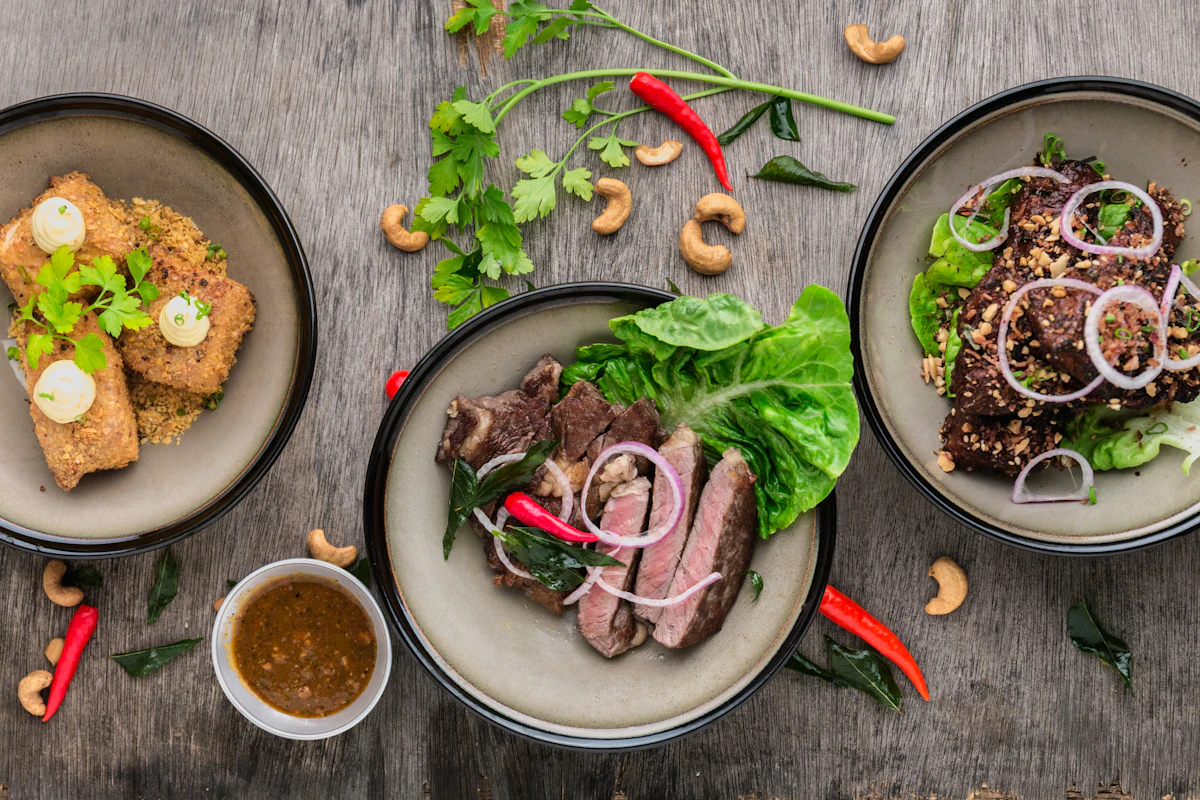
Why Street Food Has Become Fine Dining's Biggest Rival
There was a time when street food meant cheap, quick, and forgettable. That era is over. In 2026, street vendors are winning culinary awards, attracting Michelin scouts, and reshaping how the world thinks about food. From the night markets of Bangkok to the taco stands of Mexico City, the most exciting food on the planet is being cooked on carts and open flames.
Key Takeaways
- Why Street Food Has Become Fine Dining's Biggest Rival
- Bangkok, Thailand — The Undisputed Champion
- Mexico City, Mexico — Tacos That Changed Everything
- Istanbul, Turkey — Where East Meets West on a Plate
What changed? Social media gave visibility to vendors who had been perfecting recipes for generations. Travel culture shifted toward authentic experiences. And a new generation of chefs chose sidewalks over white tablecloths. For more on this, see African Wildlife Conservation Efforts Show Promising Results.
Bangkok, Thailand — The Undisputed Champion
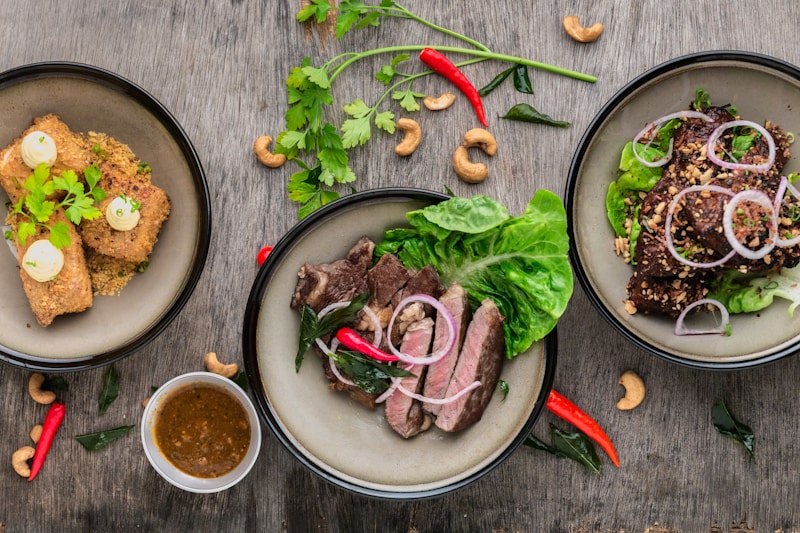
Bangkok remains the world capital of street food. Yaowarat Road (Chinatown) offers an overwhelming sensory experience — from charcoal-grilled satay to steaming bowls of boat noodles. The average meal costs under $2, yet the flavors rival restaurants charging fifty times that price.
Must-try dishes include pad thai from Thipsamai, mango sticky rice from any vendor on Khao San Road, and the legendary crab omelette at Jay Fai — the only street food stall in the world with a Michelin star. For more on this, see Best Healthy Foods to Eat on a Budget.
Mexico City, Mexico — Tacos That Changed Everything
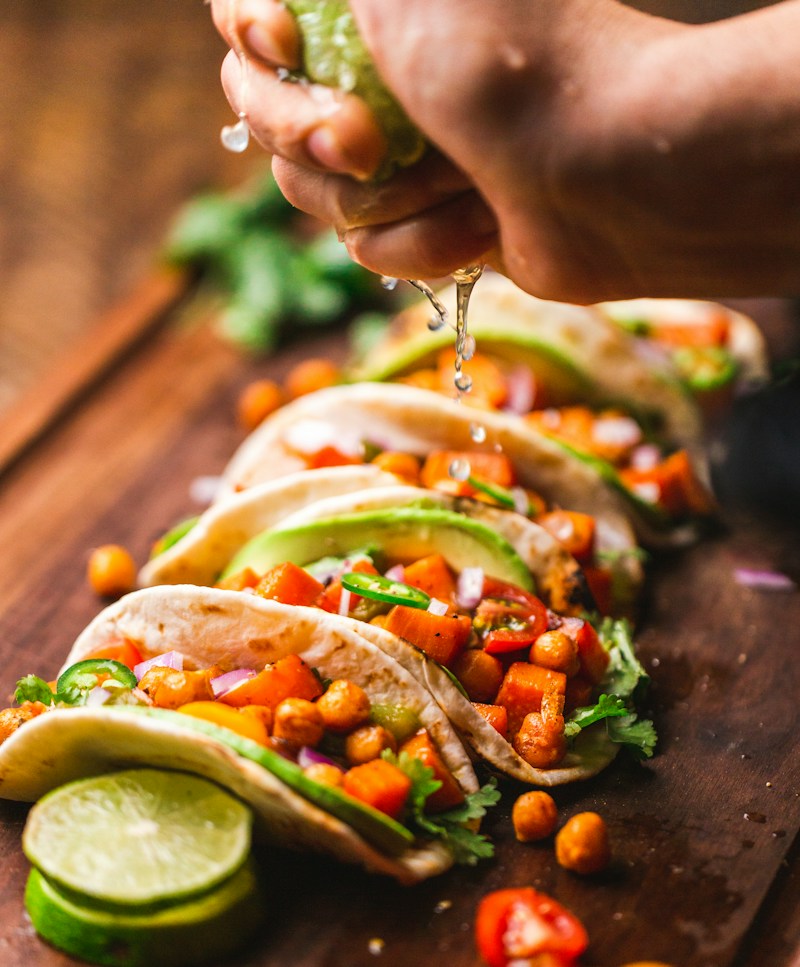
Mexico City's taco culture runs deep. Every neighborhood has its legendary taqueria, and debates about who makes the best al pastor can last hours. The city's street food scene goes far beyond tacos — tlacoyos, elotes, tamales, and churros form a complete culinary univers For more on this, see Beyond the Burger: How Plant-Based Food Got Serious in 2026.e.
The Mercado de San Juan offers exotic meats and artisanal cheeses, while the street vendors outside Metro Chabacano serve some of the best quesadillas you will ever eat. The key ingredient everywhere is the handmade tortilla — something no restaurant can replicate at scale.
Istanbul, Turkey — Where East Meets West on a Plate
Istanbul's street food tells the story of a city straddling two continents. Simit sellers appear on every corner with their sesame-crusted bread rings. Balık ekmek (fish sandwiches) are grilled on boats bobbing in the Golden Horn. And the doner kebab — the original, not the late-night imitation — is an art form here.
The Grand Bazaar and Spice Market offer endless samples, but the real gems are the small carts tucked into residential neighborhoods, where recipes have been passed down through Ottoman-era families.
Marrakech, Morocco — A Feast for Every Sense
Jemaa el-Fnaa square in Marrakech transforms every evening into the world's largest open-air restaurant. Smoke rises from dozens of grills, lanterns flicker, and vendors compete fo For more on this, see Easy Home-Cooked Meals That Taste Better Than Takeout.r your attention with theatrical presentations of their dishes.
Snail soup, lamb mechoui, msemen flatbread, and fresh-squeezed orange juice are staples. The experience is as much about atmosphere as flavor — eating here at sunset is one of travel's truly unforgettable moments.

Other Cities Worth Your Appetite
Beyond these giants, several cities are emerging as street food destinations in 2026:
- Osaka, Japan — Takoyaki, okonomiyaki, and kushikatsu along Dotonbori
- Penang, Malaysia — Char kway teow and assam laksa at Gurney Drive
- Lima, Peru — Ceviche carts and anticuchos near the Pacific coast
- Hanoi, Vietnam — Pho, bun cha, and egg coffee in the Old Quarter
- Kolkata, India — Puchka, kathi rolls, and mishti doi on Park Street
- Palermo, Italy — Arancini, panelle, and sfincione in the Ballarò market
The Future of Street Food
As we move through 2026, street food continues to evolve. Cashless payments are now standard in most Asian markets. Sustainability-focused vendors use biodegradable packaging. And a growing number of culinary schools are teaching street food techniques alongside classical French cuisine.
The message is clear: great food does not require four walls, a reservation, or a dress code. Sometimes all you need is a plastic stool, a paper plate, and a cook who has been perfecting one dish for thirty years.
Related Articles on BlogVerdict
- Street Food Around the World: A Foodie’s Ultimate Guide (Food)
- The Complete Guide to Sustainable Eating in 2026 (Food)
- Street Food Around the World: A Foodie Guide (Food)
- Beyond the Burger: How Plant-Based Food Got Serious in 2026 (Food)
- Best Healthy Foods to Eat on a Budget (Food)
Summary Comparison
| Factor | Pros | Cons | Verdict |
|---|---|---|---|
| Cost | Various options | Premium can be expensive | Good value overall |
| Quality | High standard | Varies by provider | Research recommended |
| Accessibility | Widely available | Regional differences | Improving steadily |
| Support | Community + official | Response times vary | Adequate for most |
Related Reading on BlogVerdict
Explore more on this topic:
- Best Healthy Foods to Eat on a Budget
- African Wildlife Conservation Efforts Show Promising Results
- Best Meal Prep Ideas for Busy People: Complete Guide
- Easy Home-Cooked Meals That Taste Better Than Takeout
- Beyond the Burger: How Plant-Based Food Got Serious in 2026
- 10 Meals You Can Cook in Under 30 Minutes That Are Actually Healthy
- Coffee Culture in 2026: From Third Wave to Fourth Wave
- Aadhaar System: How India's Digital Identity Infrastructure Has Evolved
Deeper Analysis
Understanding the broader context helps put this topic in perspective. Several factors contribute to the current landscape, and recognizing their interplay is essential for making informed decisions. Research from multiple domains suggests that the most effective approaches combine practical application with foundational understanding.
The evidence base for this topic has grown substantially in recent years. Studies published across academic journals and industry reports converge on several key findings that inform current best practices. Perhaps most importantly, the data shows that incremental, evidence-based approaches consistently outperform dramatic, theory-driven changes.
When evaluating options in this space, consider both the direct and indirect effects of each choice. Secondary consequences often matter more than primary ones over longer time horizons. Decision-making frameworks that account for uncertainty and adaptation tend to produce better outcomes than rigid plans.
Practical Implementation Steps
Moving from understanding to action requires a structured approach. The following framework breaks the process into manageable steps that build on each other progressively.
Phase 1: Assessment and Planning
Begin by evaluating your current situation honestly. Document where you are now, where you want to be, and the specific gaps between these two states. This assessment becomes your baseline for measuring progress. Be specific about constraints — time, budget, skills, and access to resources all affect which strategies are viable for your situation.
Phase 2: Building Foundations
With your assessment complete, focus on establishing the fundamentals. These foundational elements support everything that follows, so investing time here pays dividends later. Common foundations include developing core skills, setting up necessary tools and systems, and establishing routines that support consistent progress.
Phase 3: Execution and Iteration
Execute your plan in small batches rather than attempting everything simultaneously. After each batch, evaluate results against your baseline and adjust your approach accordingly. This iterative process helps you discover what works in your specific context rather than relying solely on generic advice.
Phase 4: Optimization and Scaling
Once you have working processes, look for opportunities to optimize them. Identify bottlenecks, eliminate unnecessary steps, and invest more in what produces the best results. Scaling successful approaches while pruning unsuccessful ones is the most efficient path to significant improvement.
Common Misconceptions
Several widespread misconceptions can lead people astray in this area. Addressing them directly helps set realistic expectations and avoid common pitfalls.
Misconception 1: More is always better. Quality consistently outperforms quantity. Whether measuring effort, resources, or output, targeted approaches produce better results than broad, unfocused ones. Focus on doing fewer things well rather than many things adequately.
Misconception 2: Results should be immediate. Meaningful progress takes time. Most worthwhile outcomes require sustained effort over weeks or months, not days. Set expectations accordingly and design your approach for consistency rather than speed.
Misconception 3: There is one right way. Multiple approaches can work effectively. The best approach depends on your specific circumstances, preferences, and constraints. Experiment with different methods and keep what works for you, even if it differs from conventional advice.
Misconception 4: Expert advice applies universally. Expert recommendations are based on general principles and research populations. Your individual situation may differ in important ways. Use expert advice as a starting point, then adapt based on your own experience and results.
Tools and Resources
The right tools make implementation significantly easier. Here are resources organized by category to help you get started and maintain progress.
- Free resources — Official websites, open-source tools, community forums, and public libraries provide excellent starting points at no cost. Many professionals started with free resources before investing in paid options
- Learning materials — Online courses, textbooks, podcasts, and YouTube channels offer structured learning paths. Look for materials with recent publication dates and positive reviews from practitioners, not just beginners
- Community support — Forums, social media groups, and local meetups connect you with others on similar paths. Community support provides accountability, troubleshooting help, and motivation during difficult periods
- Professional services — When self-directed learning reaches its limits, professional guidance can accelerate progress. Coaches, consultants, and mentors offer personalized advice that generic resources cannot provide
- Tracking tools — Spreadsheets, apps, and journals help you monitor progress and identify patterns. The specific tool matters less than the habit of regular tracking. Choose whatever you will actually use consistently
Long-Term Perspective
Taking a long-term perspective changes how you evaluate choices and measure progress. Short-term metrics often conflict with long-term outcomes, and understanding this tension helps you make better decisions.
The compounding effect applies broadly: small improvements accumulate over time to produce significant results. A one percent improvement each day amounts to a 37-fold improvement over a year. This mathematical reality argues strongly for patience and consistency over dramatic short-term efforts.
Building sustainable systems rather than relying on willpower and motivation creates more reliable long-term results. Systems that integrate naturally into your daily routine require less conscious effort to maintain, which makes them more likely to survive the inevitable periods of reduced motivation.
Finally, regular reflection and course correction ensure that your long-term direction remains aligned with your goals. Quarterly reviews of your overall approach help you identify strategic adjustments before small deviations become significant detours.
Frequently Asked Questions
How were these selections chosen?
Selections are based on a combination of expert analysis, user reviews, real-world performance tes For more on this, see Best Meal Prep Ideas for Busy People: Complete Guide.ting, and value for money. We update our recommendations regularly as new options become available.
Are these recommendations suitable for beginners?
Yes. We include options for all skill levels and budgets, with clear explanations of what makes each choice stand out.