For years, millennials were mocked as the generation that could not cook, the avocado toast enthusiasts who spent their money at restaurants instead of learning to use their own kitchens. But something has changed. A home cooking renaissance is sweeping through millennial households, and the generation once stereotyped as kitchen-averse is embracing culinary skills with unexpected enthusiasm.
Key Takeaways
- What Changed?
- How Millennials Cook Differently
- The Technology-Enabled Kitchen
- The Social Dimension
This is not your grandmother's home cooking revival. Millennials are approaching the kitchen with the same curiosity, creativity, and digital fluency they bring to everything else, and they are transforming what it means to cook at home in the process.
What Changed?
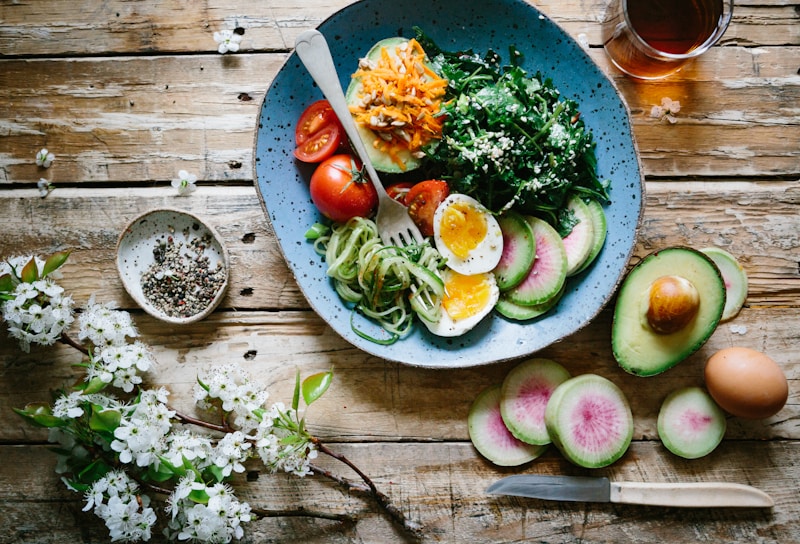
Several converging factors have driven millennials into the kitchen. The economics of eating out have shifted dramatically, with restaurant prices rising faster than grocery costs. But the motivations extend well beyond money.
Key drivers of the home cooking renaissance include:
- Health awareness - Growing understanding that restaurant food is typically higher in calories, sodium, and unhealthy fats
- Economic pressure - Rising food delivery and restaurant costs make home cooking significantly more affordable
- Pandemic legacy - Skills developed during lockdowns have become permanent habits
- Social media inspiration - Cooking content on TikTok, YouTube, and Instagram makes cooking feel accessible and fun
- Sustainability concerns - Home cooking reduces packaging waste and allows control over sourcing
- Mental health benefits - Cooking serves as a creative outlet and mindfulness practice
How Millennials Cook Differently
The millennial approach to home cooking looks nothing like previous generations. Where their parents might have relied on printed cookbooks and family recipes, millennials are cooking with a global perspective informed by digital media and a culture of experimentation.

The YouTube and TikTok Kitchen
Short-form cooking videos have democratized culinary education in a way that cookbooks never could. Watching someone make a dish, seeing the exact texture of the dough, hearing the sizzle of ingredients hitting a hot pan, provides information that written recipes cannot convey. Creators like those found across social platforms have made complex techniques feel achievable for beginners.
Global Flavor Exploration
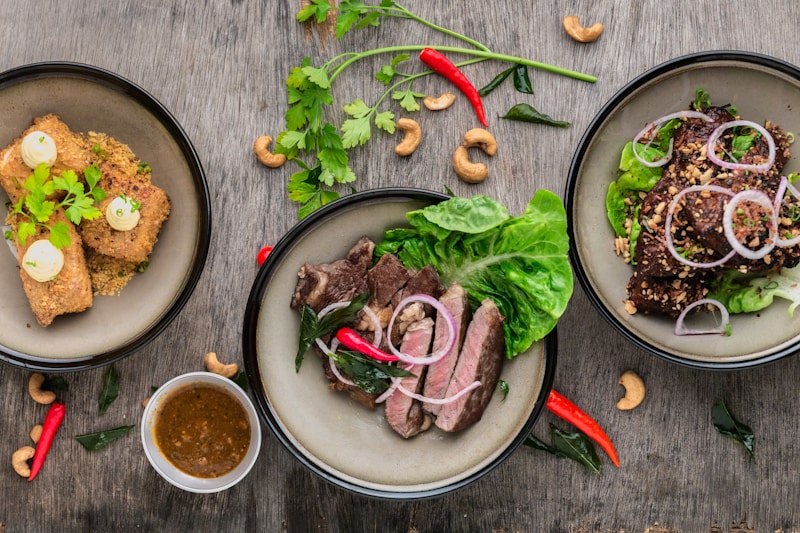
Millennials are not content with the standard rotation of familiar dishes. They are tackling Thai curries, Japanese ramen, Ethiopian injera, Korean bibimbap, and Mexican mole with an adventurous spirit that reflects their globally connected worldview. International grocery stores and online specialty retailers make previously hard-to-find ingredients accessible to home cooks everywhere.
Meal Prep Culture
The concept of meal prepping, dedicating a few hours each week to preparing meals in advance, has been embraced by millennials seeking the convenience of takeout with the health benefits and cost savings of home cooking. Entire online communities are dedicated to sharing meal prep strategies, recipes, and container organization tips.
The Technology-Enabled Kitchen
Millennials have also brought their love of technology into the kitchen. Smart kitchen devices, from programmable pressure cookers to precision sous vide machines, have lowered the skill barrier for complex cooking techniques. Recipe apps with built-in timers, scaling calculators, and shopping list generators streamline the entire cooking process.
Grocery delivery services have eliminated one of the biggest barriers to home cooking: the time and effort required to shop for ingredients. The ability to order exactly what you need for a specific recipe and have it delivered to your door has made cooking from scratch more convenient than ever.
The Social Dimension
Home cooking has become a social currency for millennials. Sharing beautifully plated dishes on social media, hosting dinner parties with elaborate menus, and exchanging recipes in group chats have turned cooking into a community activity rather than a solitary chore.
Cooking clubs and supper clubs have proliferated, bringing together strangers who share a passion for food. These gatherings combine the social benefits of dining out with the intimacy and creativity of home cooking, creating experiences that restaurants cannot replicate.
Health and Financial Impact
The shift toward home cooking is having measurable effects on both health and finances. Studies show that people who cook at home regularly consume fewer calories, less sugar, and less sodium than those who rely primarily on restaurant food and takeout. The financial savings are equally significant, with home-cooked meals costing a fraction of their restaurant equivalents.
For millennials navigating student loan debt, housing costs, and economic uncertainty, the money saved by cooking at home can be substantial. A family that shifts from eating out five nights a week to cooking at home can save thousands of dollars annually without sacrificing quality or enjoyment.
The Future of Home Cooking
The home cooking renaissance shows no signs of slowing down. As millennials start families, they are passing their culinary skills and food values to the next generation, creating a positive cycle that could reverse decades of declining cooking skills. The combination of digital inspiration, economic motivation, and genuine enjoyment has transformed home cooking from a lost art into a thriving cultural movement.
Whether you are a complete beginner intimidated by the kitchen or a casual cook looking to expand your skills, there has never been a better time to start cooking at home. The resources are abundant, the community is welcoming, and the rewards, both on the plate and in your life, are well worth the effort.
Related Articles on BlogVerdict
- 10 Meals You Can Cook in Under 30 Minutes That Are Actually Healthy (Food)
- Mediterranean Diet: A Complete Beginner’s Guide to Eating Well (Food)
- Street Food Around the World: A Foodie’s Ultimate Guide (Food)
- Mediterranean Diet in 2026: Why It Remains the Gold Standard (Food)
- Coffee Culture in 2026: From Third Wave to Fourth Wave (Food)
Summary Comparison
| Factor | Pros | Cons | Verdict |
|---|---|---|---|
| Cost | Various options | Premium can be expensive | Good value overall |
| Quality | High standard | Varies by provider | Research recommended |
| Accessibility | Widely available | Regional differences | Improving steadily |
| Support | Community + official | Response times vary | Adequate for most |
Frequently Asked Questions
What are the main factors driving this trend?
The convergence of technological innovation, shifting consumer expectations, economic pressures, and regulatory changes are all contributing to this transformation. Each factor reinforces the others, creating momentum.
How will this affect everyday people?
The effects will vary by region and demographic, but most people will experience meaningful changes in how they work, consume, and interact with technology over the next 3-5 years.