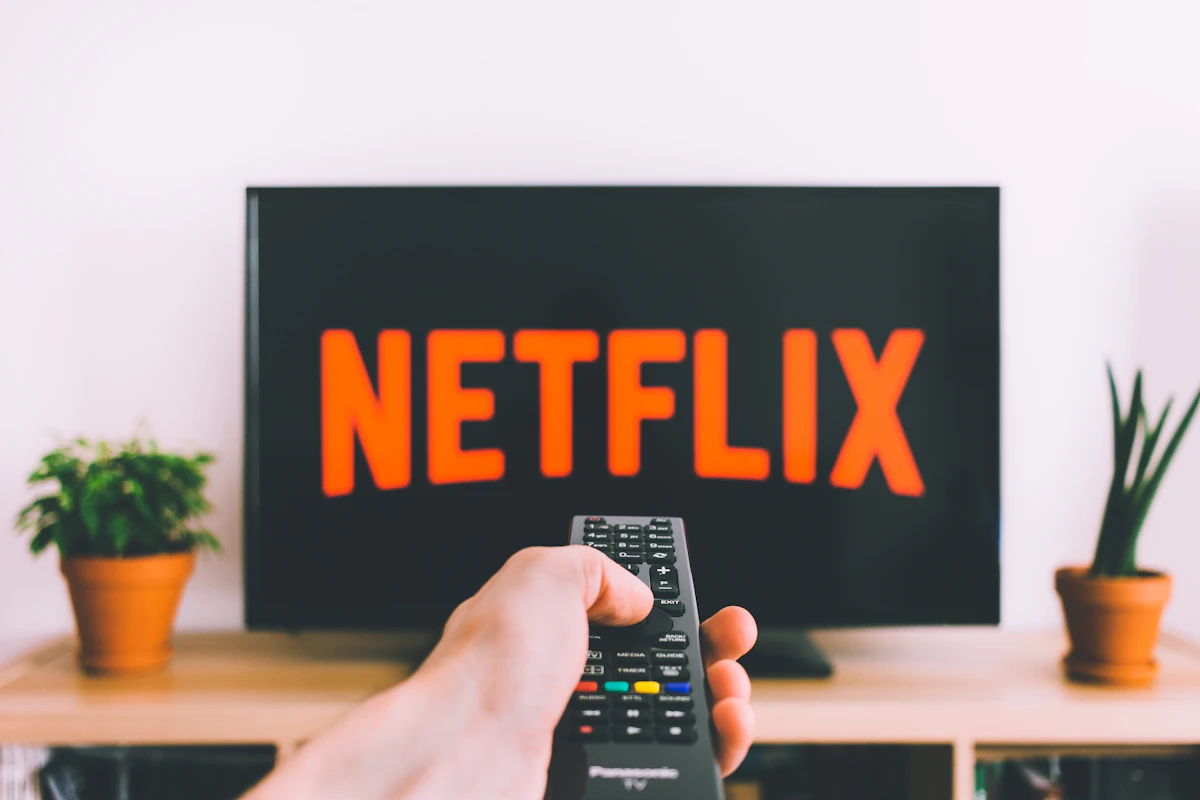
The entertainment industry in 2026 looks almost nothing like it did a decade ago. Streaming platforms have not just added a new distribution channel; they have restructured the entire ecosystem of how stories get told, who tells them, and how audiences find and engage with content.
Key Takeaways
- The Business Model Transformation
- How Content Gets Made Now
- How Audiences Watch
- Impact on Traditional Entertainment
Understanding these changes matters whether you are a casual viewer trying to navigate an increasingly complex media landscape or a professional working in or adjacent to the entertainment industry. The shifts underway affect everything from which stories get greenlit to how much actors get paid to whether your favorite show gets renewed.
The Business Model Transformation
From Ad Revenue to Subscriber Revenue and Back Again
The early streaming era was defined by a simple value proposition: pay a monthly fee, watch whatever you want, no ads. That model drove explosive subscriber growth but proved economically challenging at scale. Producing high-quality original content is expensive, and subscriber growth eventually plateaus in any market.


The industry has responded by reintroducing advertising through lower-cost tiers, creating a multi-tier system where consumers choose their preferred balance of price and ad exposure. This hybrid model is proving more financially sustainable than pure subscription, though it introduces new complexities around audience measurement and advertiser expectations.
The Consolidation Phase
After a period of explosive growth where it seemed like every media company was launching its own streaming service, the industry is consolidating. Mergers and partnerships are reducing the number of standalone platforms while creating larger, more diverse content libraries. For consumers, this is mostly positive, as it means fewer subscriptions needed to access a broad range of content. For creators, it means fewer buyers competing for projects, which affects budgets and creative freedom.
How Content Gets Made Now
Streaming has fundamentally changed the economics and creative process of content production in ways that are not always visible to audiences but profoundly affect what ends up on screen.

Data-Informed Decisions
Streaming platforms have access to viewing data at a granularity that was impossible in the broadcast era. They know not just how many people watched a show but when they paused, rewound, or stopped watching entirely. This data informs everything from which projects get greenlit to how long episodes should be to what thumbnail image is most likely to attract clicks.
The impact is double-edged. On one hand, data can help identify underserved audiences and justify projects that might seem risky by traditional metrics. On the other hand, over-reliance on data can lead to formulaic content optimized for engagement metrics rather than artistic quality. The platforms that produce the best content tend to use data as one input among many rather than the primary decision-making tool.
Global Production, Local Stories
One of the most positive effects of streaming is the explosion of non-English-language content reaching global audiences. Platforms investing in local productions across Asia, Europe, Latin America, and Africa have discovered that compelling stories transcend language barriers, especially as audiences have become more comfortable with subtitles.
This has created opportunities for storytellers worldwide and exposed audiences to perspectives and narrative traditions they might never have encountered through the traditional Hollywood-centric distribution system. It has also created a new competitive dynamic where a show produced in any country can potentially become a global phenomenon. For more on this, see ASEAN Nations Strengthen Regional Cooperation Agreement.
The Shift to Limited Series
Limited series, shows designed to tell a complete story in a single season, have become one of the dominant formats in streaming. This format attracts A-list talent who want to participate in prestige television without committing to multi-year contracts. It allows for tighter storytelling without the padding that often afflicts long-running shows. And it reduces financial risk for platforms compared to ordering multiple seasons upfront.
For audiences, this means more complete, satisfying stories and less frustration from shows that get canceled on cliffhangers. The downside is that when a limited series is truly great, you cannot get more of it.
How Audiences Watch
Streaming has not just changed what is available; it has fundamentally altered viewing behavior in ways that ripple through the entire industry. For more on this, see The Podcast Bubble: Is the Golden Age of Audio Over?.
The Binge Versus Weekly Debate
The all-at-once release model popularized by early streaming created the binge-watching phenomenon, but the industry is moving toward a more nuanced approach. Many platforms now release episodes weekly or in batches, having discovered that weekly releases gener For more on this, see 10 Meals You Can Cook in Under 30 Minutes That Are Actually Healthy.ate more sustained conversation, longer subscription retention, and stronger cultural impact than a single weekend of binge watching.
The most effective release strategies match the content. Mystery and thriller shows benefit from weekly releases that let audiences speculate and discuss between episodes. Light comedies and comfort shows work well for binge watching. Prestige dramas often use a hybrid approach, dropping multiple episodes initially to build momentum and then switching to weekly releases.
Second-Screen Engagement
Viewing is increasingly a multi-screen activity. Audiences discuss shows in real time on social media, look up actor filmographies during episodes, and engage with companion content between episodes. Smart platforms and creators are designing for this behavior, creating content that rewards active engagement without punishing passive viewing.
The Discovery Problem
With thousands of titles available across platforms, helping audiences find content they will enjoy is one of the industry''s biggest challenges. Recommendation algorithms are the primary tool, but they tend to reinforce existing preferences rather than introducing audiences to genuinely new experiences. This creates filter bubbles where viewers see more of what they already watch and less of what might expand their horizons.
Alternative discovery mechanisms are emerging. Curated editorial recommendations, social sharing features, and culturally significant moments that drive collective viewing are all helping audiences find content outside their algorithmic bubbles.
Impact on Traditional Entertainment
Theatrical Films Adapt
Movie theaters are not dead, but their role has changed. The theatrical experience is increasingly reserved for event-level releases: big-budget spectacles, franchise films, and prestige features that benefit from the communal large-screen experience. Smaller and mid-budget films that once filled multiplexes have largely migrated to streaming, where they can find their audiences without the enormous marketing spend required for a theatrical release.
Theaters are responding by upgrading their facilities with premium seating, improved sound and projection, and expanded food and beverage options. The goal is to make the theatrical experience something you cannot replicate at home, justifying the premium price.
Live Events and Sports
Live content, particularly sports, has become the most valuable commodity in the streami For more on this, see AI in Healthcare: How Machine Learning Is Diagnosing Diseases Faster Than Doctors.ng wars. Unlike scripted content, live events must be watched in real time and cannot be time-shifted without losing much of their appeal. This makes live sports an incredibly effective tool for attracting and retaining subscribers, which is why streaming platforms are paying unprecedented sums for sports broadcasting rights.
What Comes Next
The streaming industry is still evolving rapidly. Several developments bear watching in the coming years.
- AI-generated content. AI tools are being used in production pipelines for tasks ranging from script analysis to visual effects to content localization. The creative and ethical implications of AI in entertainment are still being negotiated.
- Interactive and immersive formats. As spatial computing and VR technology mature, new storytelling formats that go beyond traditional passive viewing are beginning to emerge.
- Creator-direct distribution. Individual creators and small studios are finding ways to r For more on this, see Best Movies and Shows to Watch This Month.each audiences directly, bypassing traditional platforms entirely through their own subscription services and direct-to-fan channels.
- Regulatory pressure. Governments worldwide are implementing or considering regulations around content moderation, platform competition, and creator compensation in the streaming era.
The Bottom Line for Viewers
As a viewer, the streaming era offers unprecedented choice, quality, and convenience. The trade-off is complexity: more decisions about which services to subscribe to, more content to sort through, and more fragmentation of the cultural conversation.
The most satisfying approach is to resist the pressure to watch everything and instead focus on finding the content that genuinely enriches your life. Subscribe to two or three services that consistently deliver content you enjoy, supplement with free ad-supported options, and give yourself permission to miss things. The content will still be there when you are ready for it.
Related Articles on BlogVerdict
- How Streaming Changed the Music Industry Forever (Entertainment)
- How the Film and TV Industry Is Changing After Streaming (Film & TV)
- The Streaming Wars: Who Is Winning the Battle for Your Screen in 2026 (Entertainment)
- The State of Gaming in 2026: Why the Industry Is Both Thriving and Broken (Entertainment)
- Netflix vs Disney Plus vs Apple TV Plus: The Streaming Wars Verdict for 2026 (Entertainment)
Quick Comparison
| Feature | Free Tier | Paid Tier | Enterprise |
|---|---|---|---|
| Access Level | Basic | Full | Custom |
| Support | Community | Email + Chat | Dedicated |
| Updates | Delayed | Priority | Early access |
| Best For | Hobbyists | Professionals | Organizations |
Related Reading on BlogVerdict
Explore more on this topic:
- The Podcast Bubble: Is the Golden Age of Audio Over?
- 10 Meals You Can Cook in Under 30 Minutes That Are Actually Healthy
- ASEAN Nations Strengthen Regional Cooperation Agreement
- AI in Healthcare: How Machine Learning Is Diagnosing Diseases Faster Than Doctors
- Best Movies and Shows to Watch This Month
- Netflix vs Disney Plus vs Apple TV Plus: The Streaming Wars Verdict for 2026
- How Streaming Changed the Music Industry Forever
Frequently Asked Questions
What are the main factors driving this trend?
The convergence of technological innovation, shifting consumer expectations, economic pressures, and regulatory changes are all contributing to this transformation. Each factor reinforces the others, creating momentum.
How will this affect everyday people?
The effects will vary by region and demographic, but most people will experience meaningful changes in how they work, consume, and interact with technology over the next 3-5 years.