The Streaming Landscape in 2026
The streaming wars that defined the early 2020s have entered a new phase. The era of unbridled expansion, where every media company launched its own platform regardless of profitability, is over. In its place, we see a mature market characterized by consolidation, bundling, and a relentless focus on profitability over subscriber growth at any cost. For more on this, see The Podcast Bubble: Is the Golden Age of Audio Over?.
Key Takeaways
- The Streaming Landscape in 2026
- The Current Standings
- The Trends Defining 2026
- The Losers
The Current Standings
Netflix: Still the King
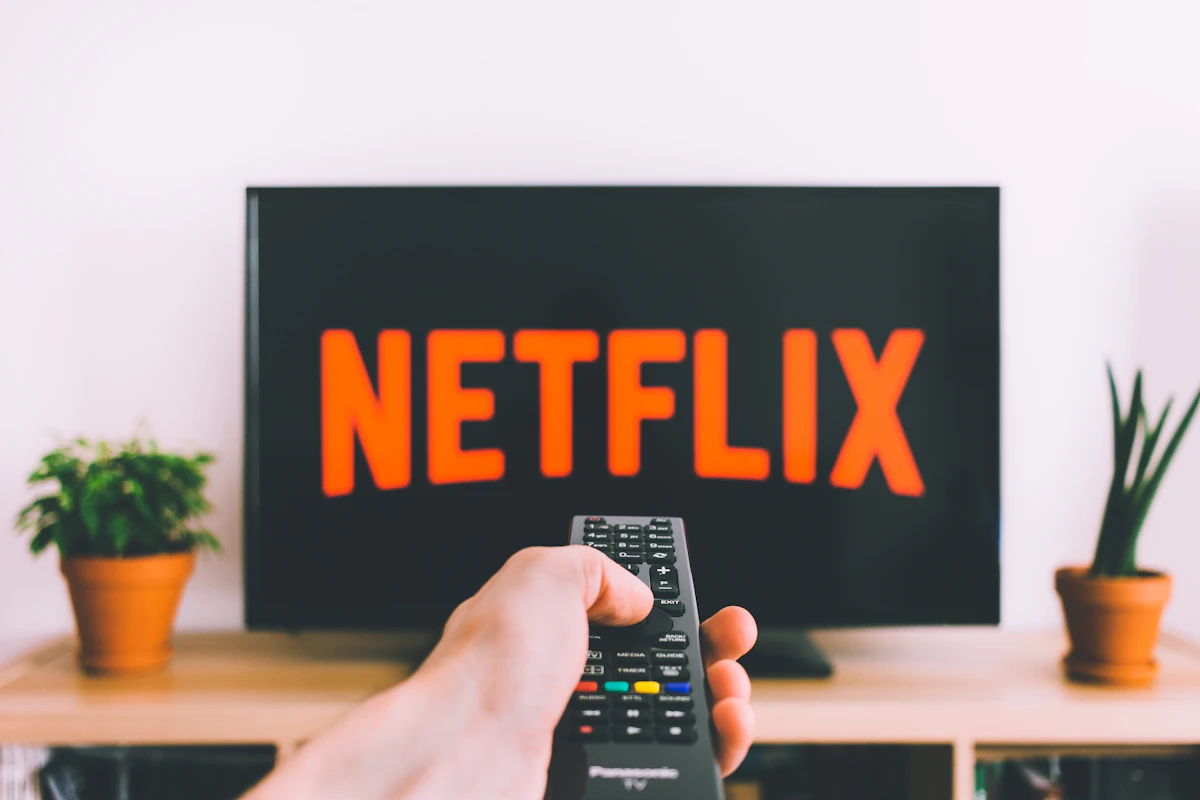
Netflix remains the dominant force in streaming with over 300 million global subscribers. The company successful pivot to an ad-supported tier has added tens of millions of price-sensitive subscribers, while its premium ad-free tier continues to command loyalty among core users. Netflix investment in live events — including sports, comedy specials, and award shows — has added a new dimension to its offerings.


YouTube: The Underestimated Giant
While often excluded from streaming war discussions, YouTube is arguably the largest streaming platform in the world. YouTube Premium continues to grow, but even its free ad-supported tier commands more watch time than any traditional streaming service. YouTube dominance among younger viewers positions it as the long-term winner in the attention economy.

Disney Bundle: The Family Champion
Disney strategic bundling of Disney+, Hulu, and ESPN+ has created a compelling package that is particularly strong with families and sports fans. The company decisi For more on this, see How Streaming Is Changing the Entertainment Industry.on to combine these services under a single interface has reduced churn and increased the perceived value of each individual service.
Amazon Prime Video: The Ecosystem Play
Amazon continues to treat Prime Video as a component of its broader Prime ecosystem rather than a standalone streaming business. This approach means Amazon can tolerate lower direct profitability from video, using it instead to drive Prime membership and e-commerce spending.
The Trends Defining 2026
- Bundling is back: After years of cord-cutting fragmented viewing across a dozen apps, consumers are gravitating toward bundles that combine multiple services at a discount. This mirrors the cable bundle model that streaming was supposed to replace.
- Ad tiers dominate growth: Nearly all new subscriber growth is happening on ad-supported tiers. The days of ad-free streaming as the default are ending, as platforms realize that advertising revenue is essential for sustainability.
- Live content differentiates: Sports, news, and live events have become the key battleground for streaming platforms seeking to reduce churn and attract new demographics.
- International content goes global: Non-English content continues to find massive global audiences. Korean, Japanese, Indian, and Spanish-language programming regularly appears in global top-10 lists.
- Password crackdowns boost revenue: Following Netflix lead, most major platforms have implemented account-sharing restrictions, converting millions of freeloading viewers into paying subscribers.
The Losers
Not every streaming service has survived the shakeout. Smaller platforms without deep content libraries or differentiated offerings have been forced to merge, sell, or shut down. The market has largely consolidated around five or six major players, with niche services surviving only in specific genres or demographics.
What It Means for Consumers
The streaming market in 2026 looks increasingly familiar: a handful of large providers, rising prices, bundled packages, and advertising as the default experience. The good news is that content quality remains high, as platforms compete fiercely for the shows, movies, and live events that drive subscriptions. The streaming wars may be entering a ceasefire, but the battle for your attention continues. For more on this, see Netflix vs Disney Plus vs Apple TV Plus: The Streaming Wars Verdict for 2026.
Related Articles on BlogVerdict
- The Streaming Wars: Who Is Winning the Battle for Your Screen in 2026 (Entertainment)
- Netflix vs Disney Plus vs Apple TV Plus: The Streaming Wars Verdict for 2026 (Entertainment)
- The Streaming Wars Are Over: Who Won and What Comes Next (Entertainment)
- How Streaming Changed the Music Industry Forever (Entertainment)
- How Streaming Is Changing the Entertainment Industry (Entertainment)
Quick Comparison
| Feature | Free Tier | Paid Tier | Enterprise |
|---|---|---|---|
| Access Level | Basic | Full | Custom |
| Support | Community | Email + Chat | Dedicated |
| Updates | Delayed | Priority | Early access |
| Best For | Hobbyists | Professionals | Organizations |
Related Reading on BlogVerdict
Explore more on this topic:
- Best Movies and Shows to Watch This Month
- Netflix vs Disney Plus vs Apple TV Plus: The Streaming Wars Verdict for 2026
- The Podcast Bubble: Is the Golden Age of Audio Over?
- 10 Meals You Can Cook in Under 30 Minutes That Are Actually Healthy
- How Streaming Is Changing the Entertainment Industry
- AI in Healthcare: How Machine Learning Is Diagnosing Diseases Faster Than Doctors
- African Wildlife Conservation Efforts Show Promising Results
Deeper Analysis
Understanding the broader context helps put this topic in perspective. Several factors contribute to the current landscape, and recognizing their interplay is essential for making informed decisions. Research from multiple domains suggests that the most effective approaches combine practical application with foundational understanding.
The evidence base for this topic has grown substantially in recent years. Studies published across academic journals and industry reports converge on several key findings that inform current best practices. Perhaps most importantly, the data shows that incremental, evidence-based approaches consistently outperform dramatic, theory-driven changes.
When evaluating options in this space, consider both the direct and indirect effects of each choice. Secondary consequences often matter more than primary ones over longer time horizons. Decision-making frameworks that account for uncertainty and adaptation tend to produce better outcomes than rigid plans.
Practical Implementation Steps
Moving from understanding to action requires a structured approach. The following framework breaks the process into manageable steps that build on each other progressively.
Phase 1: Assessment and Planning
Begin by evaluating your current situation honestly. Document where you are now, where you want to be, and the specific gaps between these two states. This assessment becomes your baseline for measuring progress. Be specific about constraints — time, budget, skills, and access to resources all affect which strategies are viable for your situation.
Phase 2: Building Foundations
With your assessment complete, focus on establishing the fundamentals. These foundational elements support everything that follows, so investing time here pays dividends later. Common foundations include developing core skills, setting up necessary tools and systems, and establishing routines that support consistent progress.
Phase 3: Execution and Iteration
Execute your plan in small batches rather than attempting everything simultaneously. After each batch, evaluate results against your baseline and adjust your approach accordingly. This iterative process helps you discover what works in your specific context rather than relying solely on generic advice.
Phase 4: Optimization and Scaling
Once you have working processes, look for opportunities to optimize them. Identify bottlenecks, eliminate unnecessary steps, and invest more in what produces the best results. Scaling successful approaches while pruning unsuccessful ones is the most efficient path to significant improvement.
Common Misconceptions
Several widespread misconceptions can lead people astray in this area. Addressing them directly helps set realistic expectations and avoid common pitfalls.
Misconception 1: More is always better. Quality consistently outperforms quantity. Whether measuring effort, resources, or output, targeted approaches produce better results than broad, unfocused ones. Focus on doing fewer things well rather than many things adequately.
Misconception 2: Results should be immediate. Meaningful progress takes time. Most worthwhile outcomes require sustained effort over weeks or months, not days. Set expectations accordingly and design your approach for consistency rather than speed.
Misconception 3: There is one right way. Multiple approaches can work effectively. The best approach depends on your specific circumstances, preferences, and constraints. Experiment with different methods and keep what works for you, even if it differs from conventional advice.
Misconception 4: Expert advice applies universally. Expert recommendations are based on general principles and research populations. Your individual situation may differ in important ways. Use expert advice as a starting point, then adapt based on your own experience and results.
Tools and Resources
The right tools make implementation significantly easier. Here are resources organized by category to help you get started and maintain progress.
- Free resources — Official websites, open-source tools, community forums, and public libraries provide excellent starting points at no cost. Many professionals started with free resources before investing in paid options
- Learning materials — Online courses, textbooks, podcasts, and YouTube channels offer structured learning paths. Look for materials with recent publication dates and positive reviews from practitioners, not just beginners
- Community support — Forums, social media groups, and local meetups connect you with others on similar paths. Community support provides accountability, troubleshooting help, and motivation during difficult periods
- Professional services — When self-directed learning reaches its limits, professional guidance can accelerate progress. Coaches, consultants, and mentors offer personalized advice that generic resources cannot provide
- Tracking tools — Spreadsheets, apps, and journals help you monitor progress and identify patterns. The specific tool matters less than the habit of regular tracking. Choose whatever you will actually use consistently
Long-Term Perspective
Taking a long-term perspective changes how you evaluate choices and measure progress. Short-term metrics often conflict with long-term outcomes, and understanding this tension helps you make better decisions.
The compounding effect applies broadly: small improvements accumulate over time to produce significant results. A one percent improvement each day amounts to a 37-fold improvement over a year. This mathematical reality argues strongly for patience and consistency over dramatic short-term efforts.
Building sustainable systems rather than relying on willpower and motivation creates more reliable long-term results. Systems that integrate naturally into your daily routine require less conscious effort to maintain, which makes them more likely to survive the inevitable periods of reduced motivation.
Finally, regular reflection and course correction ensure that your long-term direction remains aligned with your goals. Quarterly reviews of your overall approach help you identify strategic adjustments before small deviations become significant detours.
Frequently Asked Questions
What is the main point from this article?
The most important insight is that understanding the fundamentals and staying informed about developments in this area can help you make better decisions and stay ahead of important changes.
Where can I learn more about this topic?
We recommend exploring the linked resources throughout this article, following authoritative sources in this field, and checking BlogVerdict regularly for updated coverage and analysis. For more on this, see Best Movies and Shows to Watch This Month.