Climate Change Is No Longer Abstract
For years, climate change felt like a distant threat, something that would affect future generations or faraway places. That framing is obsolete. In 2026, the effects of a warming planet are woven into everyday life for billions of people. Your grocery bill, your commute, your insurance premiums, the air you breathe, and the weather outside your window are all being shaped by climate change in ways that are measurable and personal.
Key Takeaways
- Climate Change Is No Longer Abstract
- Your Grocery Cart Tells the Story
- Insurance Is Getting Expensive and Complicated
- The Air We Breathe
This is not a doom-and-gloom forecast. It is a clear-eyed look at how rising temperatures, shifting weather patterns, and environmental disruption are showing up in the daily routines of ordinary people around the world, and what practical steps are already making a difference.
Your Grocery Cart Tells the Story
Food prices have risen sharply over the past five years, and climate is a major driver. Droughts in California, Spain, and Australia have reduced yields of almonds, olives, wine grapes, and citrus fruits. Flooding in Southeast Asia has disrupted rice production. Heat waves across the American Midwest and European breadbasket regions have affected wheat and corn harvests. For more on this, see Aadhaar System: How India's Digital Identity Infrastructure Has Evolved.
Specific Price Impacts
Coffee is one of the most visible examples. The arabica coffee belt, the equatorial band where high-quality coffee grows, is shrinking as temperatures rise. Brazilian coffee production, which accounts for roughly a third of global supply, has been hit by consecutive years of frost and drought that have driven wholesale prices to record highs. The price of a bag of premium coffee beans has increased by 40 to 60 percent over the past three years.
Chocolate faces similar pressures. Cocoa production in West Africa, which supplies about 70 percent of the world''s cocoa, is threatened by rising temperatures and changing rainfall patterns. Olive oil prices in the Mediterranean have doubled in some markets after heat waves devastated orchards across Spain, Italy, and Greece.
How Farmers Are Adapting
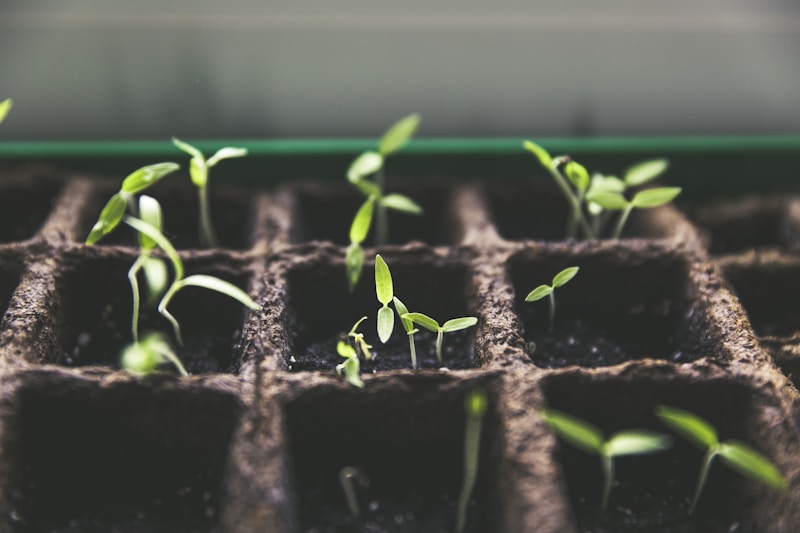
Agricultural adaptation is happening rapidly. Farmers are shifting planting dates, adopting drought-resistant crop varieties, and implementing precision irrigation that uses sensors and data to apply water exactly where and when plants need it. Some regions are seeing entirely new crops: vineyards are expanding in England, and tropical fruit cultivation is creeping northward in the United States.
Insurance Is Getting Expensive and Complicated
Homeowners insurance is one of the most direct ways climate change hits household budgets. Insurers are repricing risk based on increasingly frequent and severe weather events, and some are leaving high-risk markets entirely.
In Florida, several insurance companies have stopped writing new policies altogether. In California, wildfire risk has made coverage unaffordable or unavailable in many areas. Along the Gulf Coast, hurricane insurance premiums have increased by 30 to 50 percent in just two years. Even in areas not traditionally considered high-risk, flooding from heavier rainstorms is driving up costs. For more on this, see Best Ways to Live More Sustainably Without Spending More.
The insurance crisis creates a cascade effect. When insurance becomes too expensive, home values in affected areas decline. Mortgage lenders become reluctant to finance properties in high-risk zones. Local tax revenue drops, reducing funding for the very infrastructure improvements that could mitigate risk.
The Air We Breathe
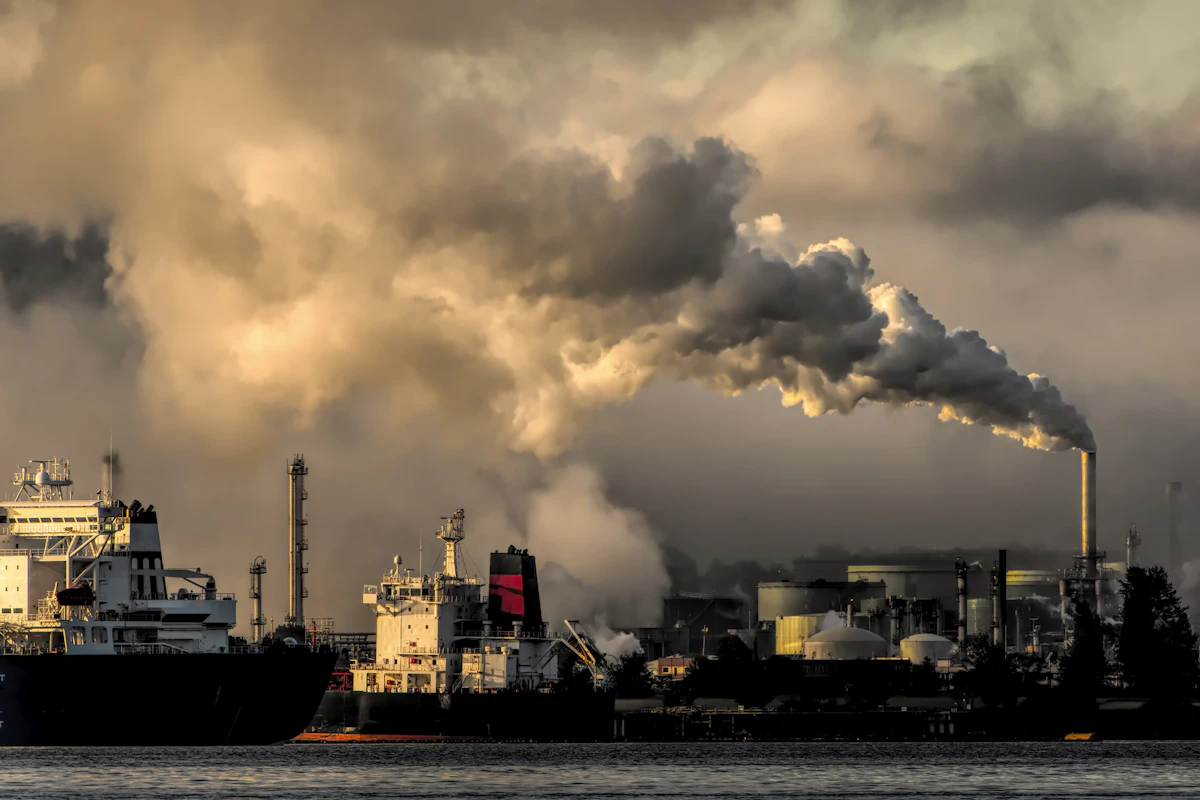
Air quality is deteriorating in many regions as climate change amplifies existing pollution problems. Hotter temperatures accelerate the formation of ground-level ozone, the primary component of smog. Larger and more frequent wildfires send smoke plumes across entire continents, creating hazardous air quality days hundreds of miles from the fires themselves.
In 2023 and 2024, wildfire smoke from Canadian forests blanketed the northeastern United States and Europe multiple times, turning skies orange and triggering health advisories for millions of people. This pattern has continued, and health authorities now issue smoke forecasts alongside weather reports in many regions.
Health Consequences
The health effects of degraded air quality are significant. Emergency room visits for asthma and respiratory illness spike during smoke events and extended heat waves. Studies show that long-term exposure to wildfire smoke increases the risk of cardiovascular disease, respiratory infections, and cognitive decline. Children and the elderly are particularly vulnerable.

Water Is Becoming a Daily Concern
Water scarcity is no longer limited to arid regions. Cities that never worried about water supply are implementing restrictions and investing billions in new infrastructure. Cape Town''s near-miss with Day Zero in 2018 was a warning that many other cities are now heeding.
In the western United States, the Colorado River, which supplies water to 40 million people, has seen its flow decline by roughly 20 percent since 2000. Lake Mead and Lake Powell have hit historically low levels, triggering mandatory water cuts for agriculture and municipalities. Across the American Southwest, residential water restrictions have become a permanent fea For more on this, see 5 Habits That Separate Great Developers from Good Ones.ture of daily life. For more on this, see 5G Changed Everything: The Real Impact Three Years Later.
Flooding on the Other Extreme
Paradoxically, climate change also brings more intense flooding. A warmer atmosphere holds more moisture, which means when it does rain, it often rains harder. Urban flooding has increased dramatically as storms overwhelm drainage systems designed for historical rainfall patterns. Cities from Houston to Hamburg are investing in green infrastructure, permeable surfaces, and expanded stormwater capacity.
Your Commute and Travel Patterns
Extreme heat is changing when and how people move through their days. In cities like Phoenix, Dubai, and Delhi, outdoor activity during summer afternoons is increasingly dangerous. Construction workers, delivery drivers, agricultural laborers, and other outdoor workers face growing heat-related health risks. Some jurisdictions have implemented mandatory rest periods and hydration requirements during extreme heat events.
Transportation infrastructure itself is affected. Rail lines buckle in extreme heat. Road surfaces soften and degrade faster. Airport runways need to be lengthened because hot air is less dense, requiring longer takeoff distances for aircraft. Flooding disrupts transit systems, and extreme weather causes more frequent flight cancellations and delays.

Mental Health and Climate Anxiety
The psychological impact of climate change is increasingly recognized. Climate anxiety, sometimes called eco-anxiety, affects a significant portion of the population, particularly young people. Surveys consistently show that more than half of young adults report feeling anxious, sad, or helpless about climate change.
Beyond general anxiety, people who experience climate-related disasters often suffer from post-traumatic stress, depression, and grief for lost places and ways of life. Communities that have been repeatedly hit by hurricanes, floods, or wildfires experience cumulative psychological trauma that affects social cohesion and individual well-being.
What Ordinary People Are Doing
The response to these daily impacts is not just happening at the government or corporate level. Ordinary people are making changes that collectively add up. Residential solar installations have reached record levels. Heat pump adoption is surging as a way to reduce both heating costs and carbon emissions. Community gardens and local food networks are growing as people seek to shorten supply chains. Neighborhood mutual aid networks are forming to help vulnerable residents during extreme weather events.
The reality of climate change in daily life is undeniable. But within that reality, there is also agency. Every household that installs solar panels, every community that builds resilient infrastructure, every consumer who makes climate-informed choices contributes to a collective response. The challenge is enormous, but the capacity for adaptation and action is equally real.
Related Articles on BlogVerdict
- Best Ways to Live More Sustainably Without Spending More (Environment)
Summary Comparison
| Factor | Pros | Cons | Verdict |
|---|---|---|---|
| Cost | Various options | Premium can be expensive | Good value overall |
| Quality | High standard | Varies by provider | Research recommended |
| Accessibility | Widely available | Regional differences | Improving steadily |
| Support | Community + official | Response times vary | Adequate for most |
Related Reading on BlogVerdict
Explore more on this topic:
- 5G Changed Everything: The Real Impact Three Years Later
- Best Ways to Live More Sustainably Without Spending More
- Aadhaar System: How India's Digital Identity Infrastructure Has Evolved
- 5 Habits That Separate Great Developers from Good Ones
Frequently Asked Questions
What is the main point from this article?
The most important insight is that understanding the fundamentals and staying informed about developments in this area can help you make better decisions and stay ahead of important changes.
Where can I learn more about this topic?
We recommend exploring the linked resources throughout this article, following authoritative sources in this field, and checking BlogVerdict regularly for updated coverage and analysis.