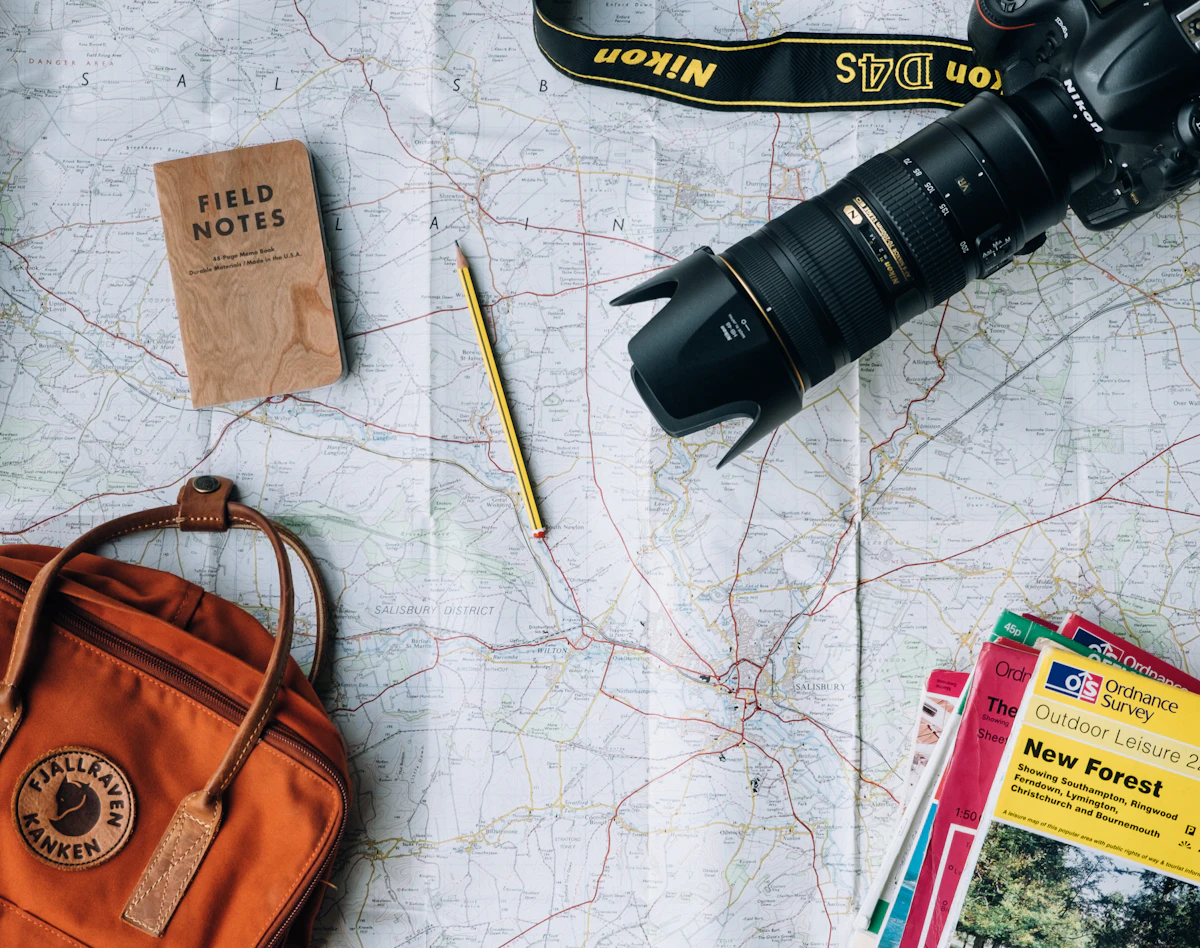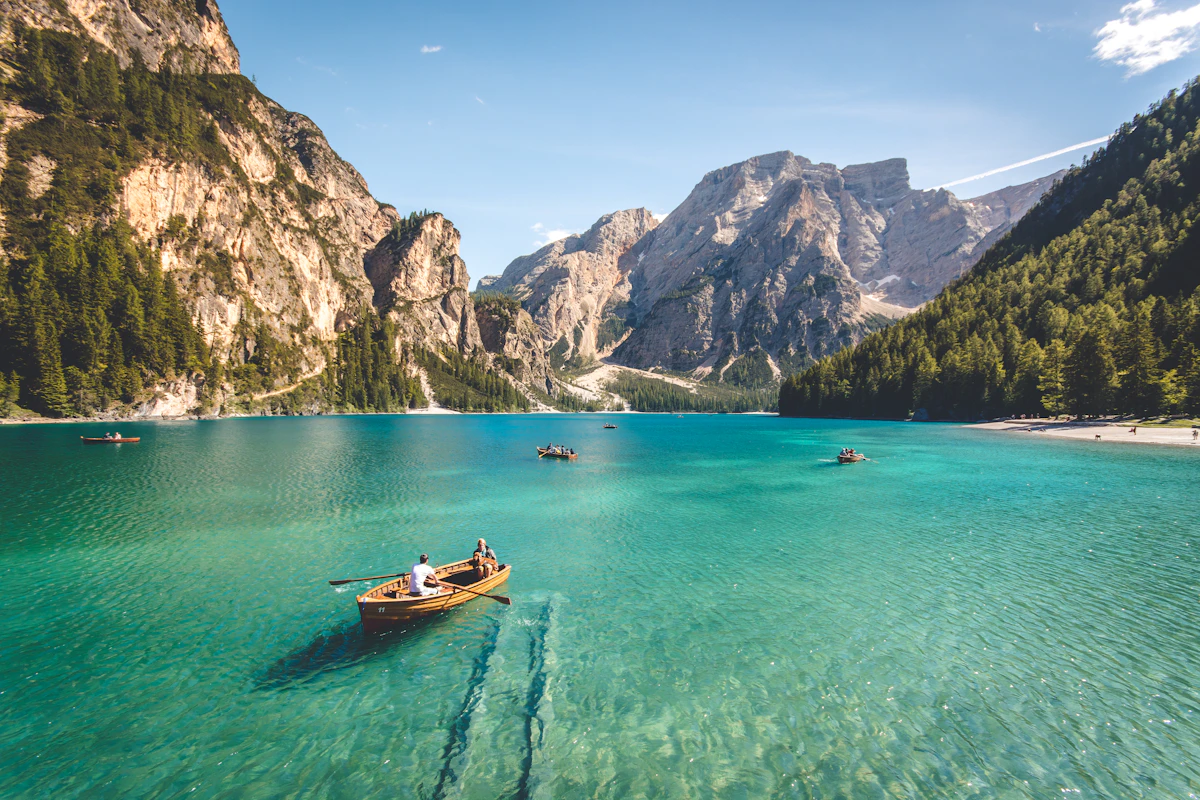
International travel is one of the most enriching things you can do, but the planning process intimidates a lot of people. Between visa requirements, flight bookings, accommodation decisions, packing questions, and the general anxiety of being in an unfamiliar place, it is easy to understand why some travelers feel overwhelmed before they even leave home.
Key Takeaways
- Starting Right: Research and Timing
- Documents and Legalities
- Booking Flights and Accommodation
- Planning Your Itinerary
The good news is that most travel stress comes from poor planning or no planning rather than from genuinely unpredictable problems. With a systematic approach to preparation, you can eliminate the vast majority of potential stressors and free yourself to actually enjoy the experience. This guide walks through every stage of planning an international trip, from the first spark of inspiration to your first day on the ground.
Starting Right: Research and Timing
Choosing Your Destination
The best trip starts with choosing a destination that matches your interests, budget, and comfort level. If you are a first-time international traveler, consider countries with well-developed tourism infrastructure, widespread English proficiency, and reliable public transportation. As you gain experience and confidence, you can gradually explore more challenging destinations.

Research the climate and seasons of your intended destination. The difference between visiting a place during its best weather versus its rainy season or extreme heat can dramatically affect your experience. Shoulder seasons, the periods just before and after peak tourist season, often offer the best balance of decent weather, lower prices, and manageable crowds.
How Far in Advance to Plan
For most international trips, beginning your planning three to six months in advance hits the sweet spot between having enough time to find good deals and not getting bogged down in premature detail. Some elements, like visas for certain countries, may require starting even earlier. Last-minute international trips are possible but typically more expensive and more stressful.
A rough timeline looks like this: six months out, choose your destination and check visa requirements. Four months out, book flights and major accommodation. Two months out, plan your day-by-day itinerary and book any experiences that require advance reservations. Two weeks out, handle the practical details like currency, communication, and packing.
Documents and Legalities
Passport
Check your passport expiration date immediately. Many countries require your passport to be valid for at least six months beyond your planned departure date. If your passport needs renewing, start the process early. Processing times vary widely and can stretch to several weeks during busy periods. For more on this, see Best Budget Travel Destinations in Southeast Asia for 2026.
Make two photocopies of your passport: one to carry separately from the original while traveling, and one to leave with a trusted person at home. Also store a digital scan in a secure cloud location you can access from anywhere.
Visas and Entry Requirements
Visa requirements vary dramatically depending on your nationality and destination. Some countries allow visa-free entry for certain passport holders. Others require advance visa applications that can take weeks to process. Electronic travel authorizations, which are simpler than full visas but still required, are becoming more common.
Check the official government website of your destination country for the most current entry requirements. Requirements can change, so verify even if you have visited the same country before. Pay particular attention to any vaccination or health documentation requirements, which have become more common in recent years.
Travel Insurance
Travel insurance is not optional for international travel. Medical emergencies abroad can be astronomically expensive without insurance, and a single hospitalization could cost tens of thousands of dollars. Good travel insurance covers medical emergencies, trip cancellation, lost luggage, and travel delays at a cost that is trivial compared to the potential financial exposure.
Read the policy details carefully, paying particular attention to coverage limits, exclusions, and the process for filing claims. If you plan to participate in adventure activities like scuba diving, skiing, or hiking at altitude, make sure your policy covers those activities specifically.
Booking Flights and Accommodation
Finding the Best Flights
Flight prices fluctuate based on demand, competition, and timing. A few strategies consistently help find better deals. Be flexible with dates if possible, as shifting your departure by a day or two can sometimes save hundreds of dolla For more on this, see Best Travel Backpacks for International Trips in 2026.rs. Use flight comparison tools to see prices across all airlines simultaneously. Set up price alerts for your route so you are notified when prices drop.

When comparing flights, factor in the total cost including baggage fees, seat selection, and meals rather than just the base fare. A cheaper ticket that charges for every extra can end up costing more than a more expensive fare that includes these items. Also consider the value of your time: a flight with a long layover might be cheaper, but the hours spent in an airport have a real cost.
Accommodation Strategy
Your accommodation choice significantly affects both your budget and your experience. Hotels offer consistency and convenience. Vacation rentals provide more space and the ability to cook. Hostels offer social opportunities and the lowest prices. Boutique guesthouses often provide the most authentic local experience.
For international trips, booking your first night or two in advance is essential. Arriving in a foreign country late at night with nowhere to stay is a recipe for stress and poor decision-making. After that, you can book as you go if you prefer flexibility, though having at least a rough accommodation plan for your entire trip reduces anxiety.
Location matters more than amenities. A modest hotel in the heart of the area you want to explore is almost always a better choice than a fancier property that requires a long commute to reach anything interesting.
Planning Your Itinerary
The Art of Not Over-Scheduling
The biggest itinerary mistake is trying to see everything. A packed schedule that has you racing from attraction to attraction without breathing room is exhausting and ultimately less rewarding than a more relaxed pace that allows for spontaneity and deeper engagement.
A good rule of thumb is to plan one or two major activities per day and leave the rest open. This gives you time to wander, discover unexpected places, have long meals, and simply absorb the atmosphere of wherever you are. Some of your best travel memories will come from unplanned moments, but only if your schedule has room for them.
Must-Do Versus Nice-To-Do
Before your trip, divide your list of potential activities into must-do items that would genuinely disappoint you to miss and nice-to-do items that you would enjoy but could skip without regret. Book advance reservations for your must-do items, especially anything with limited capacity. Leave the nice-to-do items as options to fill in around your anchors.
This approach ensures you do not miss the things that matter most to you while maintaining the flexibility that makes travel enjoyable. It also removes the anxiety of feeling like you need to fit everything in.
Practical Preparation
Money and Communication
Notify your bank and credit card companies about your travel dates and destinations to prevent fraud alerts from blocking your cards abroad. Carry at least two differ ent payment methods in case one fails. Research whether your destination is primarily cash-based or card-friendly, and arrange local currency accordingly.
For communication, check your mobile carrier''s international plans or consider purchasing a local SIM card or eSIM upon arrival. Having reliable phone and internet access is not just convenient; it is a safety tool that lets you navigate, translate, communicate, and access emergency services.
Packing Smart
The universal packing rule is this: lay out everything you think you need, then remove a third of it. You will almost certainly pack too much on your For more on this, see 10 Big Ideas That Could Change the Future.first attempt. Excess luggage creates hassle at every stage of travel, from airport check-in to navigating public transportation to climbing hotel stairs.
- Prioritize versatility. Clothing items that can be combined in multiple outfits and worn in different settings reduce the total number of pieces you need.
- Wear your heaviest items. Bulky shoes and jackets take up valuable suitcase space. Wear them during transit instead.
- Pack a day bag within your main bag. A small backpack or foldable bag for daily excursions is essential and should be easy to access.
- Bring essential medications and a basic first-aid kit. Familiar medications may not be available or may have different names abroad.
- Leave room for purchases. If you plan to buy souvenirs or clothing, make sure your luggage can accommodate them on the return trip.
On the Ground: Your First 24 Hours
Arriving Well
Your first hours in a new country set the tone for the entire trip. Have a clear plan for getting from the airport to your accommodation before you land. Research the options in advance: official airport taxis, public transportation, pre-booked transfers, or ride-sharing services. Knowing what to expect eliminates one of the most common sources of arrival stress.
If you are arriving after a long flight, resist the urge to start sightseeing immediately. Check into your accommodation, take a shower, and get oriented in your immediate neighborhood. Find the nearest grocery store, restaurant, and transit stop. This low-key arrival gives your body time to adjust and builds a foundation of familiarity in your new environment.
Staying Safe and Healthy
Basic safety abroad follows the same principles as safety at home, with a few additions. Be aware of your surroundings, especially in crowded tourist areas where pickpockets operate. Keep valuables in a hotel safe rather than carrying everything with you. Use official transportation rather than accepting rides from strangers.
For health, drink bottled water in countries where tap water is not safe. Eat at busy restaurants where food turnover is high. Use sunscreen and stay hydrated, especially if you are in a climate different from home. And know the local emergency numbers for your destination.
Embracing the Experience
With solid preparation behind you, the actual travel experience should be about engagement rather than logistics. Learn a few phrases in the local language, even if most people speak English. Try foods you have never heard of. Talk to local people. Get a little lost on purpose. The moments that end up meaning the most are rarely the ones you planned for; they are the ones that happen when you are open to whatever comes next.
International travel expands your understanding of the world in ways that no amount of reading or watching can replicate. With thoughtful planning, you can remove the stress and focus entirely on the discovery For more on this, see Best Travel Credit Cards With No Annual Fee in 2026.. The world is more accessible, more welcoming, and more fascinating than you might expect. All it takes is a passport, a plan, and the willingness to go.
Related Articles on BlogVerdict
- Best Travel Backpacks for International Trips in 2026 (Travel)
- Best Budget Travel Destinations in Southeast Asia for 2026 (Travel)
- Why Norway Tops Every Quality of Life Index and What We Can Learn (Travel)
- How to Travel the World on Points and Miles in 2026 (Travel)
- Portugal: Europe's Best-Kept Secret for Digital Nomads (Travel)
Summary Comparison
| Factor | Pros | Cons | Verdict |
|---|---|---|---|
| Cost | Various options | Premium can be expensive | Good value overall |
| Quality | High standard | Varies by provider | Research recommended |
| Accessibility | Widely available | Regional differences | Improving steadily |
| Support | Community + official | Response times vary | Adequate for most |
Related Reading on BlogVerdict
Explore more on this topic:
- Best Budget Travel Destinations in Southeast Asia for 2026
- Best Travel Credit Cards With No Annual Fee in 2026
- 10 Big Ideas That Could Change the Future
- Best Travel Backpacks for International Trips in 2026
- Best Cheap Flight Websites Compared for 2026
- Best Budget Travel Destinations for 2026
- 10 Meals You Can Cook in Under 30 Minutes That Are Actually Healthy
Frequently Asked Questions
How long does it take to see results?
Results vary depending on individual circumstances and consistency. Most people see meaningful progress within 2-4 weeks of dedicated effort, with more significant changes appearing over 2-3 months.
Do I need prior experience to get started?
No prior experience is necessary. This guide is designed for beginners and experienced practitioners alike. Start with the fundamentals and build your skills progressively.