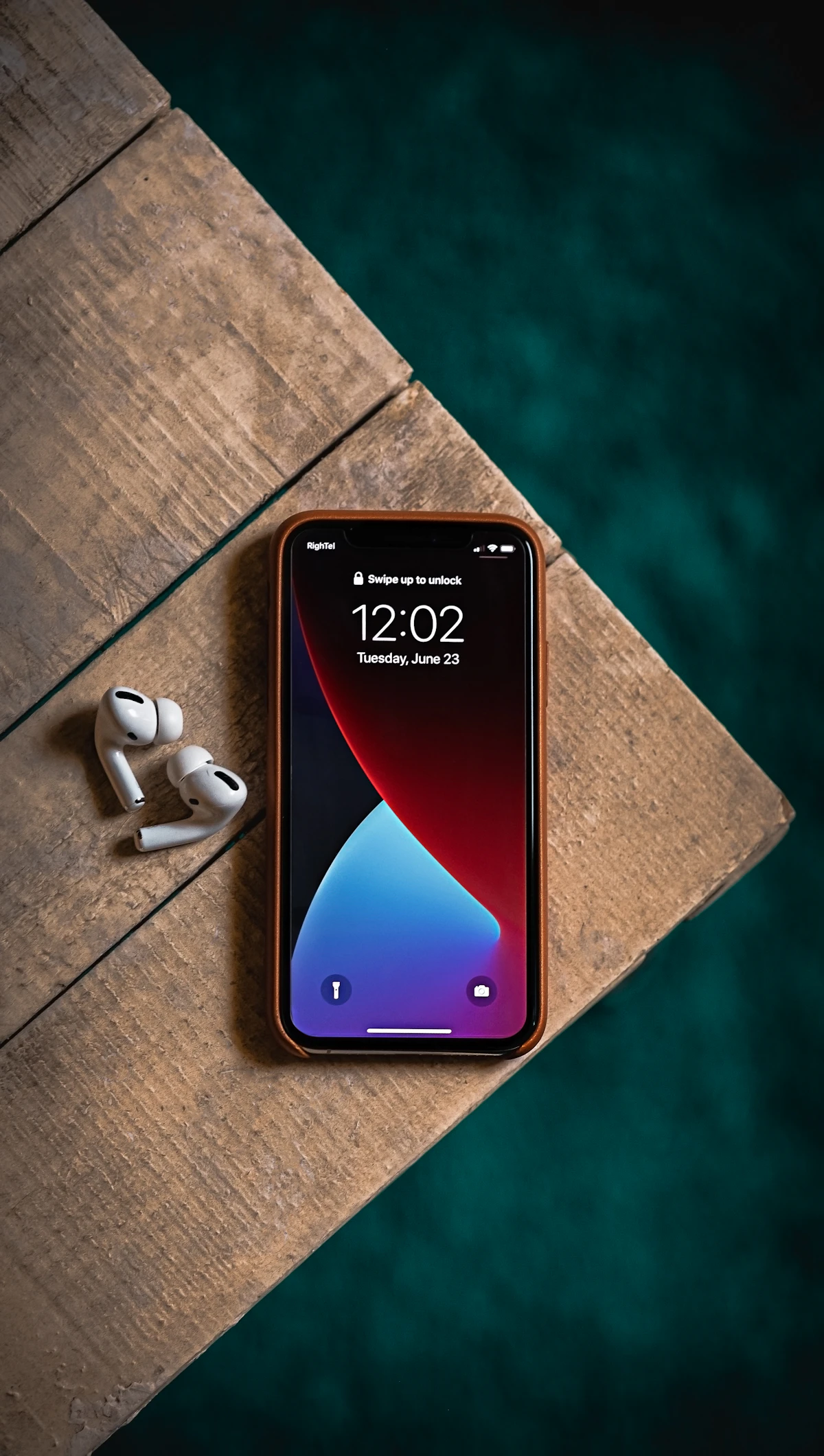
The iPhone versus Android debate has been running for over fifteen years, and in 2026, the honest answer remains the same: both platforms are excellent, and the best choice depends on what you value most. But that does not mean the platforms are identical. They differ in meaningful ways that affect your daily experience, and understanding those differences helps you make an informed decision rather than one based on brand loyalty or marketing.
Key Takeaways
- Quick Comparison Overview
- Camera Performance
- Software and User Experience
- Ecosystem and Integration
This comparison evaluates both platforms on the factors that actually matter in daily use, with honest assessments of where each one leads and where it falls behind.
Quick Comparison Overview
| Category | iPhone (iOS) | Android |
|---|---|---|
| Customization | Limited but improving | Extensive |
| App Quality | Generally higher | More variety |
| Privacy | Stronger defaults | Improving, varies by manufacturer |
| Price Range | $429 - $1,599 | $100 - $1,799 |
| Software Updates | 5-6 years guaranteed | 2-7 years depending on manufacturer |
| Ecosystem Lock-in | High (Apple ecosystem) | Low to moderate |
| Default Assistant | Siri with Apple Intelligence | Google Assistant / Gemini |
| File Management | Restricted | Full access |
Camera Performance
Camera quality is a top priority for most phone buyers, and both platforms deliver exceptional results in 2026. However, they approach photography differently, and those differences affect the images you get.
iPhone Camera Philosophy
Apple prioritizes natural-looking images with accurate colors and balanced exposure. The computational photography pipeline does significant processing behind the scenes, but the results aim to look like what your eyes actually saw. Portrait mode edge detection is among the best available, and the consistency between the main, ultrawide, and telephoto lenses is excellent. For more on this, see 10 Big Ideas That Could Change the Future.
Video recording has been an iPhone strength for years, and the gap has narrowed but not closed. Cinematic mode, ProRes recording, and stable handheld footage give iPhone users video capabilities that professional content creators genuinely use in their work.
Android Camera Landscape
Android camera quality varies dramatically by manufacturer. Google Pixel phones compete directly with iPhone on image quality, with computational photography that excels in low light and produces natural skin tones. Samsung Galaxy phones tend to produce more saturated, punchy images that pop on social media. Other manufacturers range from excellent to mediocre.
The flexibility advantage goes to Android. Many high-end Android phones offer manual camera controls, RAW file capture, and more granular control over processing than iPhone provides. For photography enthusiasts who want to control every aspect of their images, this flexibility matters.
Software and User Experience
iOS Experience
iOS provides a consistent, polished experience where everything works together smoothly. Apps are held to strict quality standards before appearing in the App Store, resulting in genera For more on this, see Best AI Tools for Work and Study in 2026.lly higher quality software. The interface is intuitive, animations are smooth, and the learning curve for new users is gentle.
The trade-off is control. iOS limits how much you can customize the home screen, default apps, and system behaviors. While recent versions have opened up significantly with custom widgets, lock screen customization, and third-party default browsers, iOS remains more restrictive than Android. You get a curated experience that works well for most people but frustrates those who want complete control.
Android Experience
Android offers unmatched customization. You can change your default apps for everything, install custom launchers that completely reshape the home screen experience, sideload apps from outside the official store, and automate system behaviors with tools like Tasker. For users who want their phone to work exactly the way they want, Android provides that freedom.
The diversity of the Android ecosystem means the experience varies significantly between manufacturers. Stock Android on Pixel phones is clean and fast. Samsung''s OneUI adds extensive features but also complexity. Other manufacturers add their own layers that range from useful to bloated. Choosing the right Android phone requires researching the specific manufacturer''s software approach.
Ecosystem and Integration
The Apple Ecosystem
If you own a Mac, iPad, Apple Watch, or AirPods, the integration benefits of iPhone are substantial. AirDrop transfers files instantly between devices. Universal Clipboard lets you copy on your phone and paste on your laptop. Handoff moves work between devices mid-task. Apple Watch integration is tighter and more capable than any Android smartwatch pairing. These features create a smooth experience that justifies staying within the Apple ecosystem for many users.
The flip side is lock-in. Moving away from Apple becomes increasingly difficult the more Apple products you own. Your iMessages, FaceTime calls, AirDrop convenience, and Apple Watch functionality all depend on staying with iPhone. This lock-in is by design and is the primary reason many users feel unable to switch even when they are curious about Android.
The Android Ecosystem
Android works with a broader range of devices and services. You can pair it with smartwatches from Samsung, Google, or Fitbit. It integrates with Windows PCs through apps like Microsoft Phone Link. It works with smart home devices from virtually every manufacturer. This openness means you are not locked into a single company''s product lineup.
Google services like Gmail, Google Photos, Google Drive, and Google Maps work equally well on both platforms, which reduces the ecosystem advantage for users who live primarily in Google''s world. If your digital life is already built around Google services, switching between iPhone and Android is relatively painless.
Privacy and Security
Apple has made privacy a central part of its brand identity, and the commitment shows in practical features. App Tracking Transparency requires apps to ask permission before tracking you across other apps and websites. Mail Privacy Protection hides your IP address and email open activity. Safari blocks cross-site trackers by default. These protections work out of the box without requiring user configuration. For more on this, see Agricultural Innovation Drives Food Security Across South America.
Android has improved its privacy features substantially. Permission controls for camera, microphone, and location are now granular and easy to manage. The Privacy Dashboard shows which apps accessed sensitive data and when. Google Play Protect scans for malicious apps. However, the advertising-based business model of many Android manufacturers means that data collection practices vary and are not always transparent.
For users who prioritize privacy as a primary concern, iPhone currently offers stronger default protections. Google Pixel phones on Android come closest to matching this, but the broader Android ecosystem includes manufacturers with less rigorous privacy practices.
Value and Pricing
Android offers more choice across the price spectrum. You can buy a capable Android phone for under two hundred dollars, while the cheapest iPhone starts at four hundred. At the high end, both platforms command similar premium prices. The mid-range is where Android''s value proposition is strongest, offering phones with excellent cameras, fast processors, and premium build quality at prices three to five hundred dollars below comparable iPhones.
iPhone holds its resale value better than almost any Android phone. An iPhone purchased today will retain roughly fifty to sixty percent of its value after two years, while most Android phones retain thirty to forty percent. If you sell or trade in your phone when upgrading, this resale value partially offsets the higher initial cost.
Software longevity is another value factor. Apple supports iPhones with major software updates for five to six years. Google now matches this for Pixel phones with seven years of updates. Samsung offers four years of major updates and five years of security patches for its flagship devices. Other Android manufacturers typically provide shorter support windows.
Who Should Choose iPhone
Choose iPhone if you already own Apple products and value ecosystem integration. Choose iPhone if privacy with minimal configuration effort matters to you. Cho For more on this, see African Wildlife Conservation Efforts Show Promising Results.ose iPhone if you want the most consistent, polished software experience without needing to research manufacturers. Choose iPhone if video recording quality is a top camera priority. And choose iPho For more on this, see 10 Meals You Can Cook in Under 30 Minutes That Are Actually Healthy.ne if you plan to keep your phone for five or more years and want guaranteed long-term software support.
Who Should Choose Android
Choose Android if customization and control over your device experience are important to you. Choose Android if you want the best value at mid-range price points. Choose Android if you prefer Google services and do not use other Apple products. Choose Android if you want specific hardware features like expandable storage or particular camera capabilities. And choose Android if you dislike being locked into a single company''s ecosystem.
Final Verdict
In 2026, both iPhone and Android deliver excellent smartphone experiences. The differences between them are real but often less dramatic than partisan advocates claim. Your existing ecosystem, budget, and priorities should drive your decision, not brand loyalty. Try both platforms at a store before committing, and remember that the best phone is the one that fits your life, not the one that wins spec sheet comparisons.
Related Articles on BlogVerdict
- Electric Vehicles in 2026: Which EV Should You Actually Buy? (Technology)
- Kindle vs iPad for Reading and Study: Which Is Better? (Technology)
- Claude Code vs GitHub Copilot: Which AI Coding Tool Is Better? (Technology)
- Kubernetes vs Serverless: The Cloud Architecture Debate in 2026 (Technology)
- ChatGPT vs Claude vs Gemini: The Ultimate AI Assistant Showdown in 2026 (Technology)
Related Reading on BlogVerdict
Explore more on this topic:
- Agricultural Innovation Drives Food Security Across South America
- 10 Big Ideas That Could Change the Future
- African Wildlife Conservation Efforts Show Promising Results
- Best AI Tools for Work and Study in 2026
- 10 Meals You Can Cook in Under 30 Minutes That Are Actually Healthy
- Aadhaar System: How India's Digital Identity Infrastructure Has Evolved
- Best AI Tools for Students in 2026
- AI in Healthcare: How Machine Learning Is Diagnosing Diseases Faster Than Doctors
Frequently Asked Questions
What is the main point from this article?
The most important insight is that understanding the fundamentals and staying informed about developments in this area can help you make better decisions and stay ahead of important changes.
Where can I learn more about this topic?
We recommend exploring the linked resources throughout this article, following authoritative sources in this field, and checking BlogVerdict regularly for updated coverage and analysis.