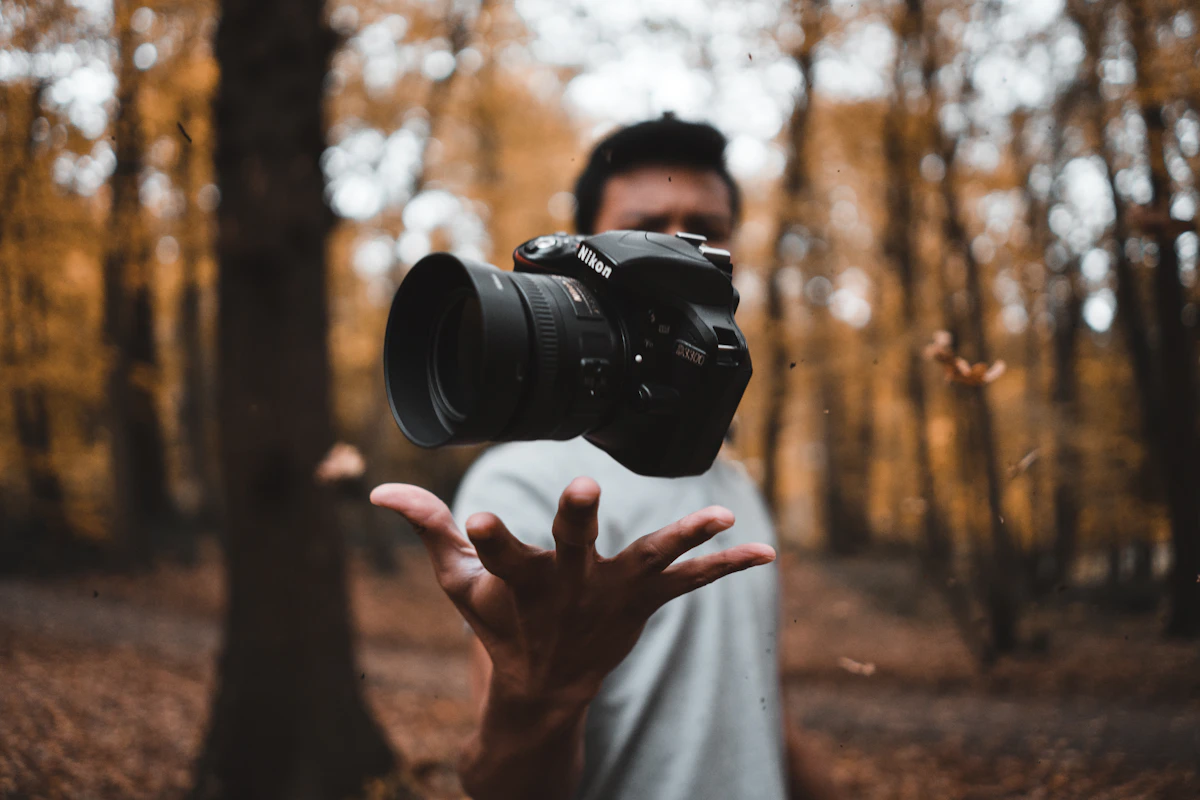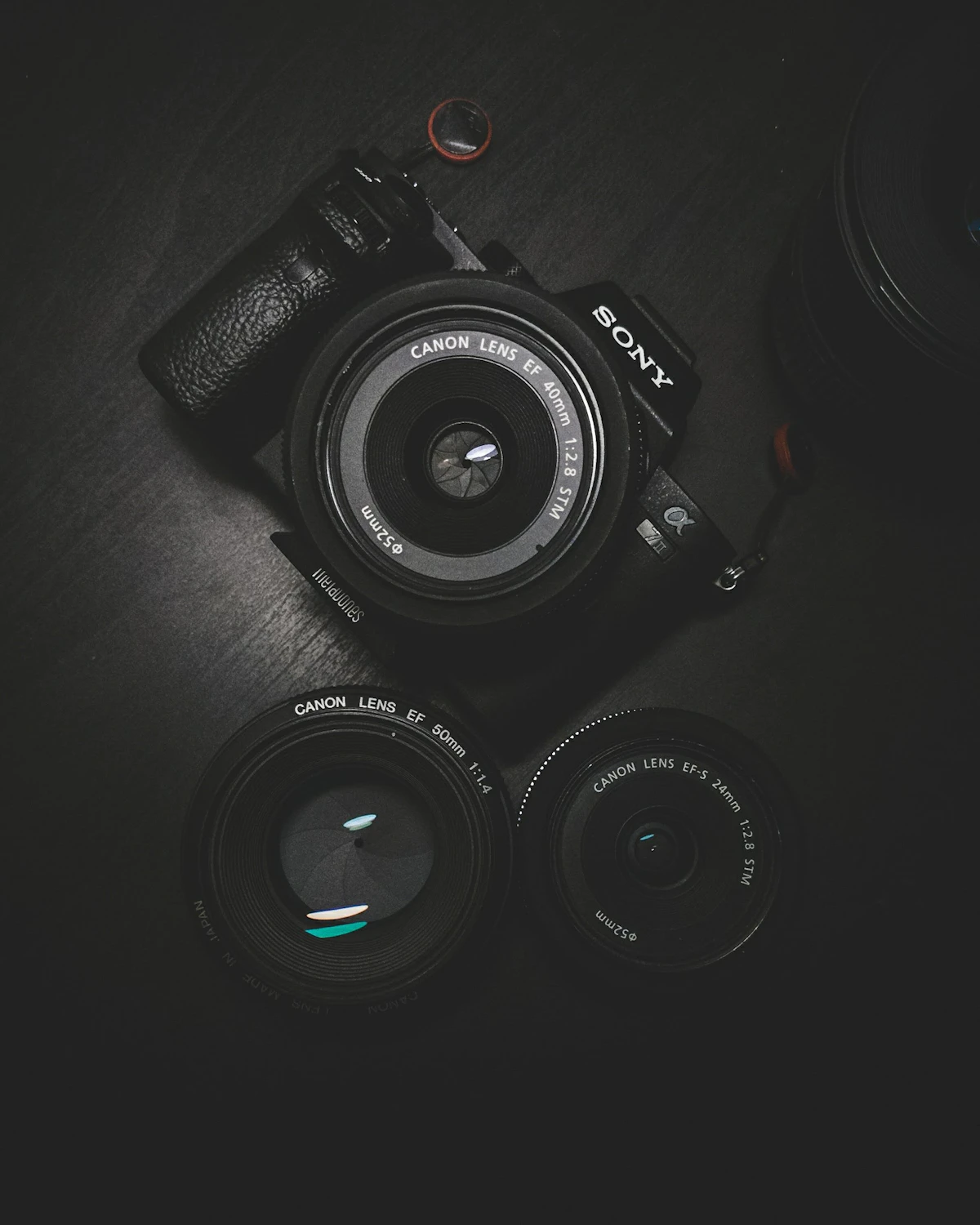
Choosing your first serious camera is an exciting but potentially overwhelming decision. The market offers hundreds of options spanning multiple formats, price points, and intended use cases. A camera that excels for landscape photography may be poorly suited for YouTube content creation, and the best sports camera in the world will not help you if its menu system is incomprehensible.
Key Takeaways
- Camera Types Explained
- Key Features That Matter for Beginners
- Best Cameras by Budget
- Essential Accessories to Start With
This guide helps beginners and aspiring content creators navigate these decisions by explaining what actually matters in a camera, recommending specific models at different price points, and providing the context needed to make a purchase you will be satisfied with for years. For more on this, see African Union Summit Focuses on Continental Free Trade Progress.
Camera Types Explained
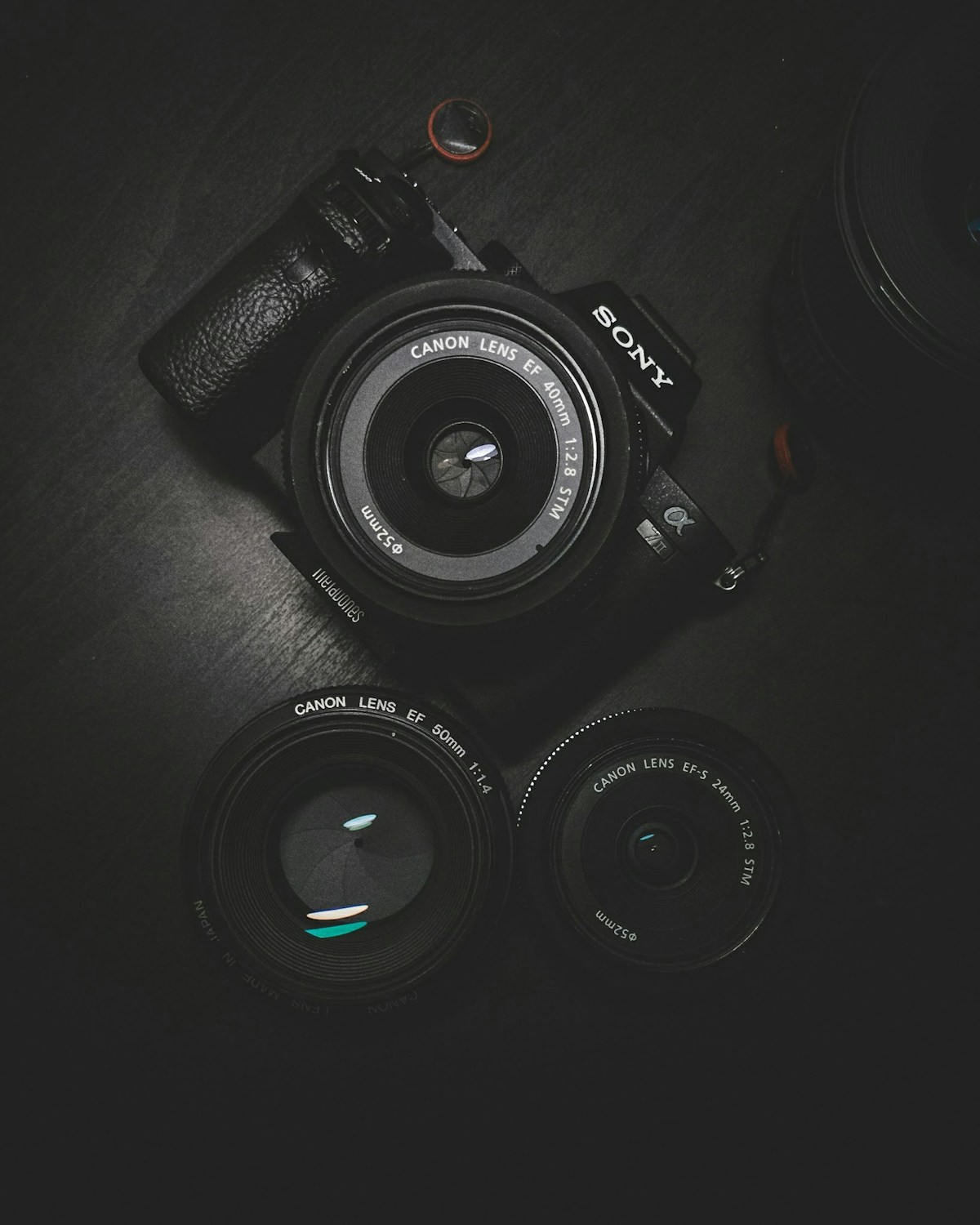
Before evaluating specific models, understanding the three main camera categories helps narrow your search immediately.
Mirrorless Cameras
Mirrorless cameras are the current standard for both photography and video. They use an electronic viewfinder and lack the mirror mechanism found in DSLRs, making them lighter, more compact, and better suited to video recording. The electronic viewfinder shows a real-time preview of your exposure, which is enormously helpful for beginners learning to manage settings manually.

Every major camera manufacturer has committed to mirrorless as their primary format. Sony, Canon, Nikon, Fujifilm, and Panasonic all produce excellent mirrorless systems with growing lens ecosystems. For anyone starting fresh in 2026, mirrorless is the recommended choice unless you have a specific reason to choose otherwise.
DSLR Cameras
Digital single-lens reflex cameras use a mirror to direct light through the lens to an optical viewfinder. DSLRs offer exceptional battery life, a mature lens ecosystem, and a satisfying tactile shooting experience. However, new DSLR development has essentially ceased as manufacturers focus resources on mirrorless systems.
DSLRs remain excellent cameras, and buying a used DSLR with quality lenses is one of the most cost-effective ways to enter serious photography. The Nikon D7500 and Canon EOS 90D, for example, are outstanding cameras available at significant discounts on the used market. Just be aware that future lens development will focus on mirrorless mounts.
Compact and Bridge Cameras
Compact cameras with fixed lenses offer simplicity and portability at the cost of flexibility. The Sony ZV-1 II and Ricoh GR IIIx are examples of compact cameras that deliver image quality rivaling larger systems in a pocket-sized form factor. These are ideal for creators who prioritize portability and speed over lens versatility.

Key Features That Matter for Beginners
Sensor Size
The sensor is the component that captures light, and its size has the single largest impact on image quality. Larger sensors capture more light, produce better results in low-light conditions, and create more natural background blur (bokeh) when shooting with wide apertures.
The three main sensor sizes in consumer cameras are Micro Four Thirds (smallest), APS-C (medium), and full frame (largest). For beginners, APS-C sensors offer the best balance of image quality, camera size, lens affordability, and overall value. Full-frame systems produce marginally better results but cost significantly more for both bodies and lenses.
Autofocus Performance
Modern autofocus systems have improved dramatically, and the differences between cameras in this area are significant. Eye-tracking autofocus, which locks onto and follows a subject's eyes as For more on this, see ASEAN Nations Strengthen Regional Cooperation Agreement.they move through the frame, has become standard on mid-range and above cameras. For portrait photography and video content creation, reliable eye-tracking is significant.
Subject recognition autofocus goes further, identifying and tracking specific subject types including people, animals, birds, vehicles, and aircraft. If you plan to photograph pets, wildlife, or action, prioritize cameras with strong subject recognition capabilities.
Video Capabilities
If content creation is a primary goal, video specifications matter as much as still photography performance. Key video features to evaluate include:
- 4K recording at 30fps minimum which is the current standard for high-quality online content
- In-body image stabilization (IBIS) which smooths handheld footage and is essential for vlogging and run-and-gun shooting
- Flip-out screen that allows you to see yourself while recording, a must-have for solo creators
- Clean HDMI output for connecting external monitors or capture cards for streaming
- Microphone input because built-in microphones are inadequate for serious content. A 3.5mm mic jack is essential
- No recording time limit as some cameras cut video recording after 30 minutes due to tax classification reasons
Best Cameras by Budget
Under $700: Entry Level Excellence
The Fujifilm X-T30 II is arguably the best value in this price range. It pairs a 26-megapixel APS-C sensor with Fujifilm's renowned color science, which produces pleasing images straight out of camera without extensive editing. The film simulation modes are particularly popular among content creators for their distinctive, film-like aesthetic. Video capabilities include 4K at 30fps and excellent autofocus.
The Sony ZV-E10 II is purpose-built for content creators. It features a flip-out screen, exceptional autofocus with real-time eye tracking, a directional three-capsule microphone, and a dedicated background defocus button. The APS-C sensor delivers strong image quality in a compact, lightweight body that excels for vlogging and YouTube content.
$700 to $1,300: The Sweet Spot
The Sony a6700 packs full-frame level autofocus performance into an APS-C body. It offers 4K60 video recording, five-axis in-body image stabilization, AI-powered subject reco gnition, and a strong weather-sealed construction. The Sony E-mount lens ecosystem is the largest available, providing an enormous range of options as your skills develop.
The Nikon Z50 II brings Nikon's excellent ergonomics and color science to an affordable mirrorless body. The comfortable grip, intuitive controls, and outstanding JPEG processing make it a favorite among photographers who prefer a traditional shooting experience. Nikon's growing Z-mount lens lineup includes several excellent budget options.
$1,300 to $2,000: Serious Investment
The Fujifilm X-T5 targets photographers who want a classic shooting experience with modern capabilities. The 40-megapixel sensor provides extraordinary detail, the triple-dial interface appeals to those who prefer physical controls, and the film simulations are the best in the industry. For photographers who prioritize still images over video, this is an exceptional choice.
The Sony a7C II is the most affordable full-frame mirrorless camera that does not compromise on features. It packs a 33-megapixel full-frame sensor, the same autofocus system as Sony's flagship a7R V, and 4K60 video capability into a body barely larger than an APS-C camera. If you want full-frame quality without the size and weight, this is the camera to consider.
Essential Accessories to Start With
A camera body alone is just the beginning. These accessories provide the most impact for the money and should be prioritized as part of your initial setup.
Lenses
The kit lens that comes bundled with most cameras is adequate for learning but will quickly become a limitation. Your first additional lens purchase should align with your primary shooting interest:
- For portraits and video a 35mm or 50mm prime lens with a wide aperture (f/1.8 or wider) provides beautiful background blur and excellent low-light performance for $200 to $400
- For travel and general use a versatile zoom like a 18-135mm or 24-105mm covers most situations in a single lens
- For content creation a wide-angle prime like a 16mm or 20mm works well for vlogging at arm's length
Memory Cards
Buy at least two high-speed memory cards rated for the video recording specs of your camera. A UHS-II V60 or V90 rated SD card ensures smooth 4K recording without dropped frames. Name brands like SanDisk, Sony, and Lexar are worth the modest premium for reliability.
A Good Bag
A dedicated camera bag protects your gear and makes it comfortable to carry. For beginners, a sling bag or small backpack that fits the camera body, two lenses, and a few accessories is ideal. Avoid bags that are larger than necessary, as oversized bags encourage carrying too much gear and become a burden.
Getting the Most From Your First Camera
The single most important piece of advice for beginners is to shoot constantly. No amount of research, YouTube tutorial watching, or gear discussion substitutes for actually taking photographs and recording video. Bring your camera everywhere for the first few months and shoot in a variety of conditions. For more on this, see How to Take Better Photos With Any Camera.
Learn to shoot in aperture priority mode rather than full auto. This gives you creative control over depth of field while the camera handles exposure. As you develop an intuitive sense for how aperture, shutter speed, and ISO interact, transition to full manual mode for complete creative control.
Shoot in RAW format from the beginning. RAW files contain all of the data captured by the sensor and allow extensive post-processing flexibility. JPEG files are processed in-camera and discard information that cannot be recovered. The files are larger, but storage is cheap and the flexibility is invaluable as your editing skills develop. For more on this, see 5 Habits That Separate Great Developers from Good Ones.
Finally, invest in learning before investing in more gear. A photographer who understands composition, lighting, and storytelling will create compelling images with any camera. Upgrading equipment delivers diminishing returns beyond a certain point, while developing your eye and your craft delivers compounding returns indefinitely.
Related Articles on BlogVerdict
- Best Budget Cameras for Content Creators in 2026 (Photography)
- How to Take Better Photos With Any Camera (Photography)
Summary Comparison
| Factor | Pros | Cons | Verdict |
|---|---|---|---|
| Cost | Various options | Premium can be expensive | Good value overall |
| Quality | High standard | Varies by provider | Research recommended |
| Accessibility | Widely available | Regional differences | Improving steadily |
| Support | Community + official | Response times vary | Adequate for most |
Related Reading on BlogVerdict
Explore more on this topic:
- 5 Habits That Separate Great Developers from Good Ones
- How to Take Better Photos With Any Camera
- African Union Summit Focuses on Continental Free Trade Progress
- ASEAN Nations Strengthen Regional Cooperation Agreement
- Best Budget Cameras for Content Creators in 2026
Frequently Asked Questions
How were these selections chosen?
Selections are based on a combination of expert analysis, user reviews, real-world performance testing, and value for money. We update our recommendations regularly as new options become available.
Are these recommendations suitable for beginners?
Yes. We include options for all skill levels and budgets, with clear explanations of what makes each choice stand out.