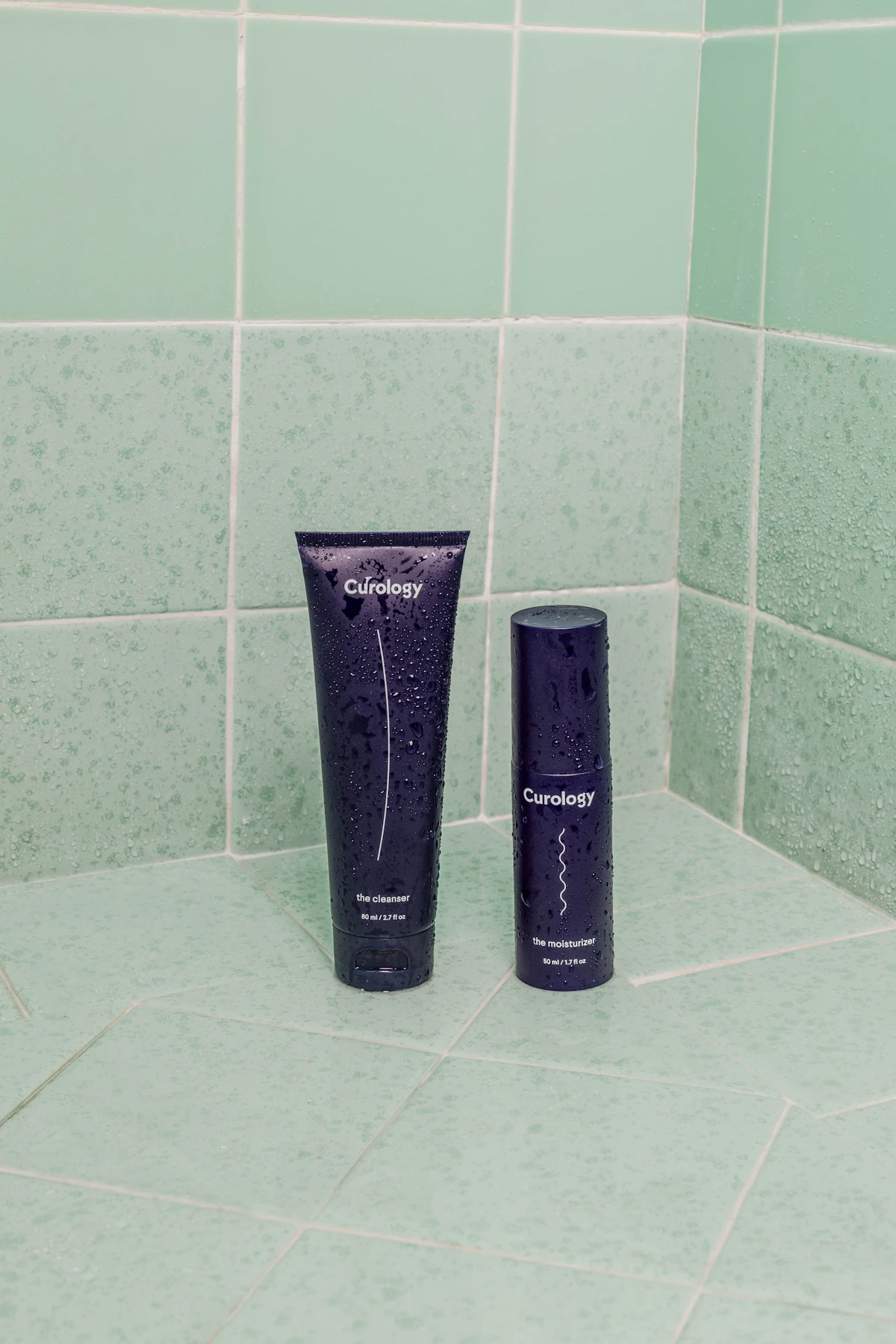
The skincare industry generates billions of dollars by convincing people that clear, healthy skin requires an elaborate multi-step routine with dozens of expensive products. The truth is simpler and more encouraging. Dermatologists consistently recommend a straightforward approach built on a few proven principles and well-chosen products. You do not need a 12-step routine. You need the right basics, applied consistently.
Key Takeaways
- Sunscreen Is the Most Important Anti-Aging Product
- The Essential Three-Step Routine
- Habits That Transform Your Skin
- Common Skincare Mistakes to Avoid
Whether you are building a skincare routine from scratch or streamlining an overly complicated one, this guide covers the evidence-based tips that actually deliver results. No gimmicks, no miracle ingredients, just the practices that dermatologists and skin scientists agree on. For more on this, see 10 Meals You Can Cook in Under 30 Minutes That Are Actually Healthy.
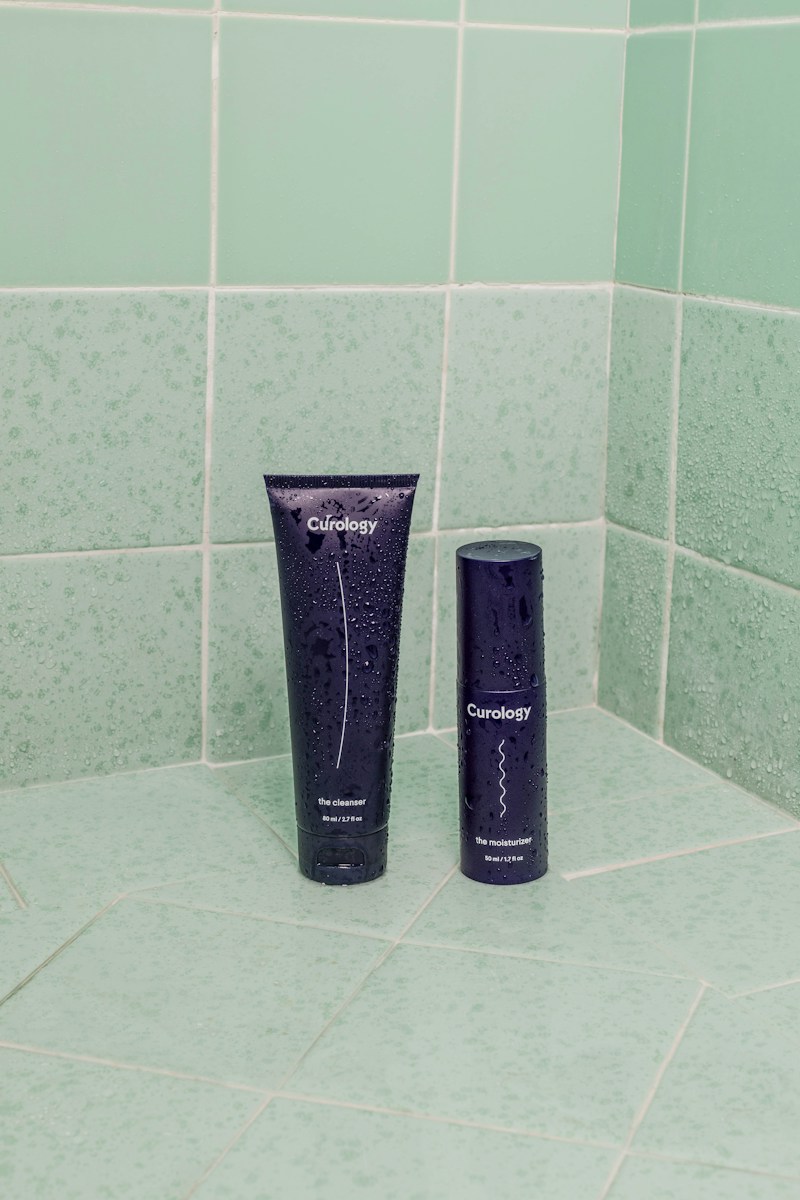
Sunscreen Is the Most Important Anti-Aging Product
If you only use one skincare product, make it sunscreen. Ultraviolet radiation is responsible for up to 90 percent of visible skin aging, including wrinkles, dark spots, uneven texture, and loss of elasticity. No serum, cream, or treatment can reverse sun damage as effectively as sunscreen can prevent it in the first place. For more on this, see 5G Changed Everything: The Real Impact Three Years Later.
Choosing the Right Sunscreen
- Use SPF 30 or higher for daily wear. SPF 50 offers marginally more protection and is ideal for extended outdoor exposure.
- Choose broad-spectrum protection that blocks both UVA rays (which cause aging) and UVB rays (which cause sunburn).
- Apply generously. Most people apply only 25 to 50 percent of the recommended amount. Use about a nickel-sized dollop for your face alone.
- Reapply every two hours when exposed to sunlight, and immediately after sweating or swimming.
- Find a formula you enjoy. The best sunscreen is the one you actually use daily. If you hate the texture of one product, try another until you find one that feels comfortable under makeup or on its own.
The Essential Three-Step Routine
A complete, effective skincare routine can be as simple as three steps: cleanse, treat, and protect. Everything beyond this is optional refinement, not a requirement.
Step 1: Cleanse
Use a gentle, pH-balanced cleanser twice daily, morning and evening. The purpose of cleansing is to remove dirt, oil, makeup, and pollutants without stripping your skin''s natural moisture barrier. Avoid cleansers that leave your skin feeling tight or dry, as this indicates they are too harsh.
For most skin types, a gentle foaming or cream cleanser is sufficient. Double cleansing, using an oil-based cleanser followed by a water-based one in the evening, is helpful for removing heavy makeup or sunscreen but is not necessary for everyone. Keep it simple: if your skin feels clean and comfortable after one wash, one is enough. For more on this, see 5 Habits That Separate Great Developers from Good Ones.
Step 2: Treat
This step addresses specific skin concerns with active ingredients. Choose one or two active ingredients based on your primary concern:
- For aging prevention: Retinol (vitamin A derivative) is the most proven anti-aging ingredient. Start with a low concentration (0.25 to 0.5 percent) two to three times per week and build up gradually. Expect mild flaking and sensitivity initially; this resolves within a few weeks.
- For dark spots and uneven tone: Vitamin C serum (L-ascorbic acid at 10 to 20 percent) applied in the morning brightens skin, fades discoloration, and provides antioxidant protection against environmental damage.
- For acne: Salicylic acid (BHA) unclogs pores and reduces inflammation. Benzoyl peroxide kills acne-causing bacteria. Niacinamide reduces oil production and calms redness.
- For dryness: Hyaluronic acid pulls moisture into the skin. Apply it to damp skin and follow with a moisturizer to seal the hydration in.
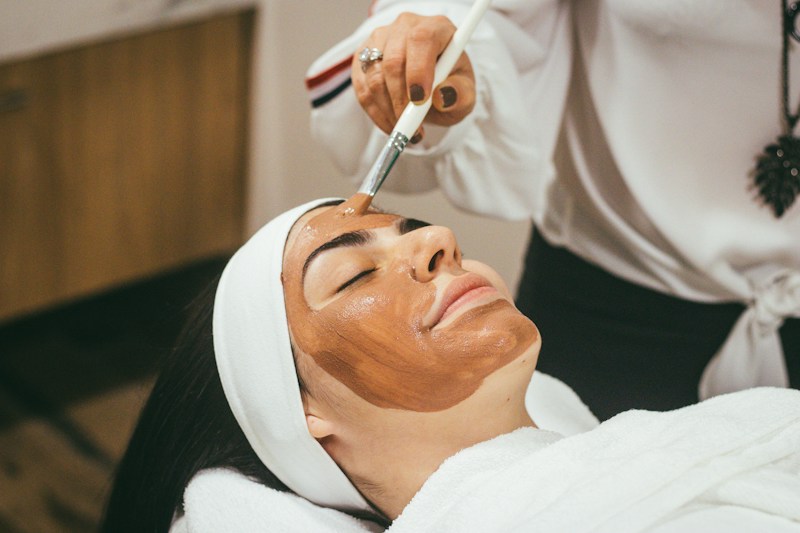
Step 3: Protect and Moisturize
In the morning, your protective step is sunscreen, which also provides moisture for many skin types. In the evening, use a moisturizer appropriate for your skin type. Oily skin benefits from lightweight gel moisturizers. Dry skin needs richer cream formulas. Combination skin can use different products on different areas of the face.
Moisturizer works by trapping water in the skin and reinforcing the natural lipid barrier. Even oily skin needs moisturizer; stripping moisture actually triggers increased oil production as the skin tries to compensate. Apply moisturizer within a few minutes of cleansing while the skin is still slightly damp for maximum absorption.
Habits That Transform Your Skin
Products are only part of the equation. Daily habits have an enormous impact on skin health, and no product can compensate for consistently poor habits.
Stay Hydrated
Drinking adequate water supports skin hydration from the inside out. While drinking water alone will not cure dry skin, chronic dehydration definitely worsens skin texture and appearance. Aim for at least eight glasses per day, more if you exercise or live in a dry climate.
Prioritize Sleep
Your skin repairs and regenerates during sleep. Growth hormone, which stimulates cell repair, peaks during deep sleep. Consistently getting fewer than seven hours of sleep leads to increased signs of aging, slower healing, and duller complexion. The term beauty sleep is not just a saying; it is biology.
Manage Stress
Chronic stress elevates cortisol levels, which increase oil production, trigger inflammation, and can worsen conditions like acne, eczema, and rosacea. While eliminating stress entirely is unrealistic, regular stress management through exercise, meditation, or other relaxation techniques measurably improves skin health. For more on this, see Top Fashion Trends Everyone Will Be Wearing This Year.
Do Not Touch Your Face
The average person touches their face dozens of times per hour, transferring bacteria, dirt, and oils from their hands. This habit contributes to breakouts and can spread infections. Becoming aware of face-touching and consciously reducing it is a free and surprisingly effective skincare intervention.

Common Skincare Mistakes to Avoid
- Over-exfoliating: Exfoliating more than two to three times per week damages the skin barrier, causing redness, sensitivity, and breakouts. More is not better with exfoliation.
- Switching products too frequently: Active ingredients need four to twelve weeks to show full results. Switching products every week prevents you from ever seeing what works.
- Using too many active ingredients at once: Layering multiple actives (retinol, vitamin C, AHAs, BHAs) can overwhelm the skin and cause irritation. Introduce new products one at a time.
- Skipping sunscreen on cloudy days: Up to 80 percent of UV rays penetrate clouds. Sunscreen is a daily commitment, not a sunny-day-only product.
- Picking at blemishes: Squeezing pimples pushes bacteria deeper, increases inflammation, and causes scarring. Use a spot treatment and let time do the rest.
- Neglecting your neck and chest: These areas age just as quickly as your face. Extend your skincare routine below your jawline.
When to See a Dermatologist
A good skincare routine handles most everyday concerns, but some conditions benefit from professional treatment. See a dermatologist if you experience persistent acne that does not respond to over-the-counter treatments, sudden changes in existing moles or skin lesions, chronic redness or sensitivity that interferes with daily life, or skin conditions like eczema, rosacea, or psoriasis that need prescription management.
Annual skin checks are recommended for everyone, es For more on this, see AI in Healthcare: How Machine Learning Is Diagnosing Diseases Faster Than Doctors.pecially if you have a history of sun exposure or a family history of skin cancer. Early detection of skin cancer is critical, and a dermatologist can spot concerning changes that are invisible to the untrained eye.
Keep It Simple and Consistent
The most effective skincare routine is one you will actually do every day. A simple three-step routine performed consistently will always outperform an elaborate ten-step routine that you abandon after two weeks. Start with sunscreen, a gentle cleanser, and one treatment product. Add more only when you have established the basics as a non-negotiable habit.
Your skin is a living organ that responds to consistent care over time. Patience and consistency are the real secrets to healthy, clear skin, not expensive products or complicated routines. Give your routine time to work, protect your skin from the sun, support it with healthy habits, and the results will follow.
Related Articles on BlogVerdict
- Top Fashion Trends Everyone Will Be Wearing This Year (Fashion & Beauty)
Summary Comparison
| Factor | Pros | Cons | Verdict |
|---|---|---|---|
| Cost | Various options | Premium can be expensive | Good value overall |
| Quality | High standard | Varies by provider | Research recommended |
| Accessibility | Widely available | Regional differences | Improving steadily |
| Support | Community + official | Response times vary | Adequate for most |
Related Reading on BlogVerdict
Explore more on this topic:
- Top Fashion Trends Everyone Will Be Wearing This Year
- 5 Habits That Separate Great Developers from Good Ones
- 5G Changed Everything: The Real Impact Three Years Later
- 10 Meals You Can Cook in Under 30 Minutes That Are Actually Healthy
- AI in Healthcare: How Machine Learning Is Diagnosing Diseases Faster Than Doctors
Frequently Asked Questions
How long does it take to see results?
Results vary depending on individual circumstances and consistency. Most people see meaningful progress within 2-4 weeks of dedicated effort, with more significant changes appearing over 2-3 months.
Do I need prior experience to get started?
No prior experience is necessary. This guide is designed for beginners and experienced practitioners alike. Start with the fundamentals and build your skills progressively.