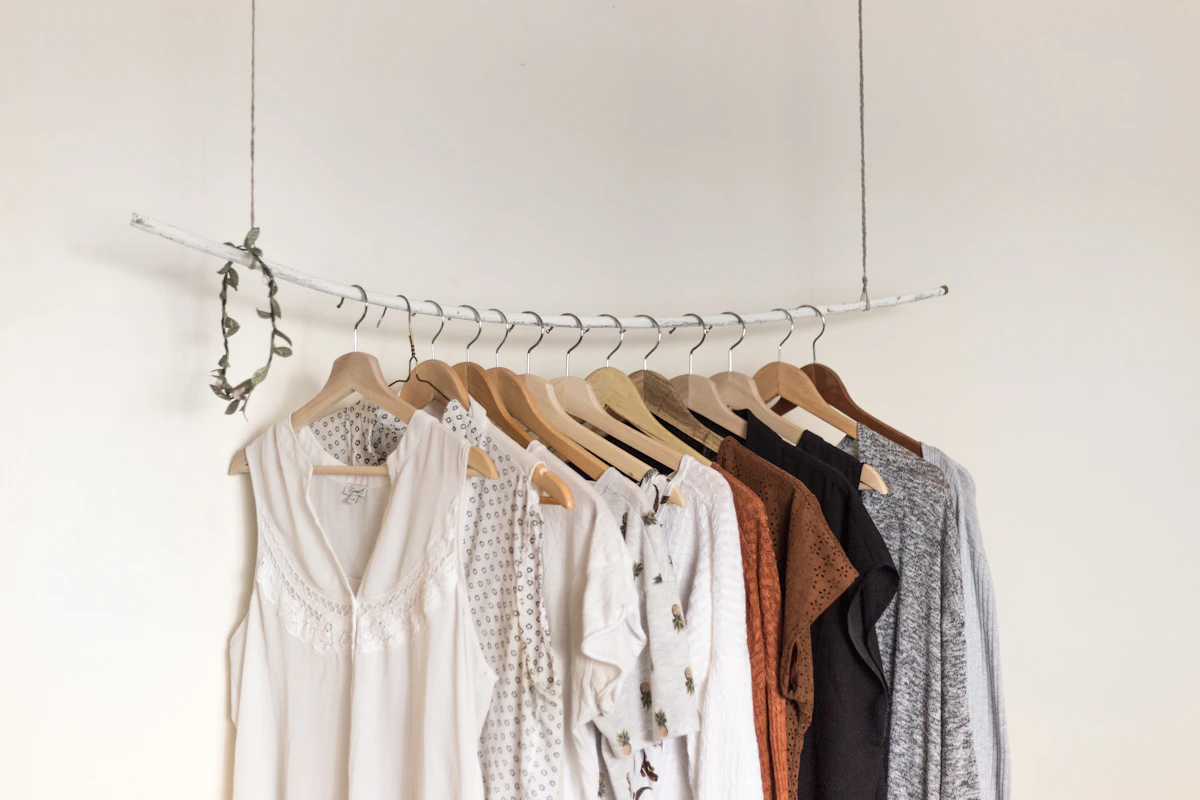
Fashion in 2026 is defined by a fascinating tension: the desire for comfort and practicality that took hold during the pandemic years has permanently shifted expectations, while a renewed appetite for bold self-expression is pushing style in exciting new directions. The result is a year where nearly anything goes, but certain trends have emerged as clear front-runners on runways, street style, and everyday wardrobes alike. For more on this, see AI in Healthcare: How Machine Learning Is Diagnosing Diseases Faster Than Doctors.
Key Takeaways
- Quiet Luxury Evolves Into Stealth Style
- Bold Colors Make a Comeback
- Functional Fashion Goes Mainstream
- Denim Reinvented
Whether you are a dedicated fashion enthusiast or someone who simply wants to look current without spending a fortune, these are the trends shaping how people dress this year. The good news is that most of them are accessible, adaptable, and easy to incorporate into whatever style you already have. For more on this, see Best Skincare Tips for Healthy, Clear Skin.
Quiet Luxury Evolves Into Stealth Style
The quiet luxury movement that dominated the past few years has matured into something more nuanced. While the principles remain the same, prioritizing quality fabrics, perfect fit, and understated design over visible logos, the execution has loosened up. Stealth style keeps the emphasis on craftsmanship and fit but allows for more personality. Think immaculate tailoring in unexpected colors, luxurious knitwear paired with relaxed trousers, and accessories chosen for their design rather than their brand recognition.
The key pieces for this trend include well-fitted blazers in soft, unstructured silhouettes, cashmere or merino wool sweaters in rich jewel tones, tailored wide-leg trousers, and leather goods in butter-soft textures. The investment approach remains relevant: fewer, better items that you wear frequently rather than a closet full of disposable fast fashion.
How to Adopt It
- Focus on fabric quality. Touch matters more than labels. Natural fibers like wool, cotton, linen, and silk drape and age better than synthetics.
- Get items tailored. A $50 alteration can make a $100 garment look like it cost $500. Fit is the single biggest factor in how expensive clothes look.
- Build a neutral base of navy, charcoal, cream, and camel, then add personality through one or two accent pieces per outfit.
Bold Colors Make a Comeback
After years of muted earth tones and understated neutrals, color is back in a big way. Runways and street style are awash in saturated reds, cobalt blues, emerald greens, and vivid yellows. The approach is not the neon maximalism of previous decades but a more sophisticated deployment of bold color, often in monochromatic looks where a single strong color is worn head to toe. For more on this, see 5G Changed Everything: The Real Impact Three Years Later.
Monochromatic dressing is one of the easiest trends to execute and one of the most impactful. Wearing a single color from head to toe creates an elongated silhouette and a polished, intentional look that requires minimal styling effort. The key is varying textures and shades within the same color family to add depth and prevent the look from appearing flat.
Functional Fashion Goes Mainstream
The gorpcore and techwear movements that began as niche subcultures have merged with mainstream fashion. Performance fabrics, utility details, and outdoor-inspired silhouettes are showing up in everyday wardrobes without the overtly technical For more on this, see African Union Summit Focuses on Continental Free Trade Progress. aesthetic. Brands are creating garments that look polished enough for the office while offering weather resistance, stretch, and technical performance.
Key Pieces
- Technical blazers: Structured jackets made from water-resistant, wrinkle-free fabrics that travel perfectly.
- Hybrid sneakers: Shoes that blend athletic performance with refined aesthetics suitable for smart-casual settings.
- Packable outerwear: Lightweight jackets that compress into their own pockets, offering serious weather protection without bulk.
- Stretch tailoring: Trousers and shirts with added stretch that maintain a clean silhouette while allowing full range of motion.
Denim Reinvented
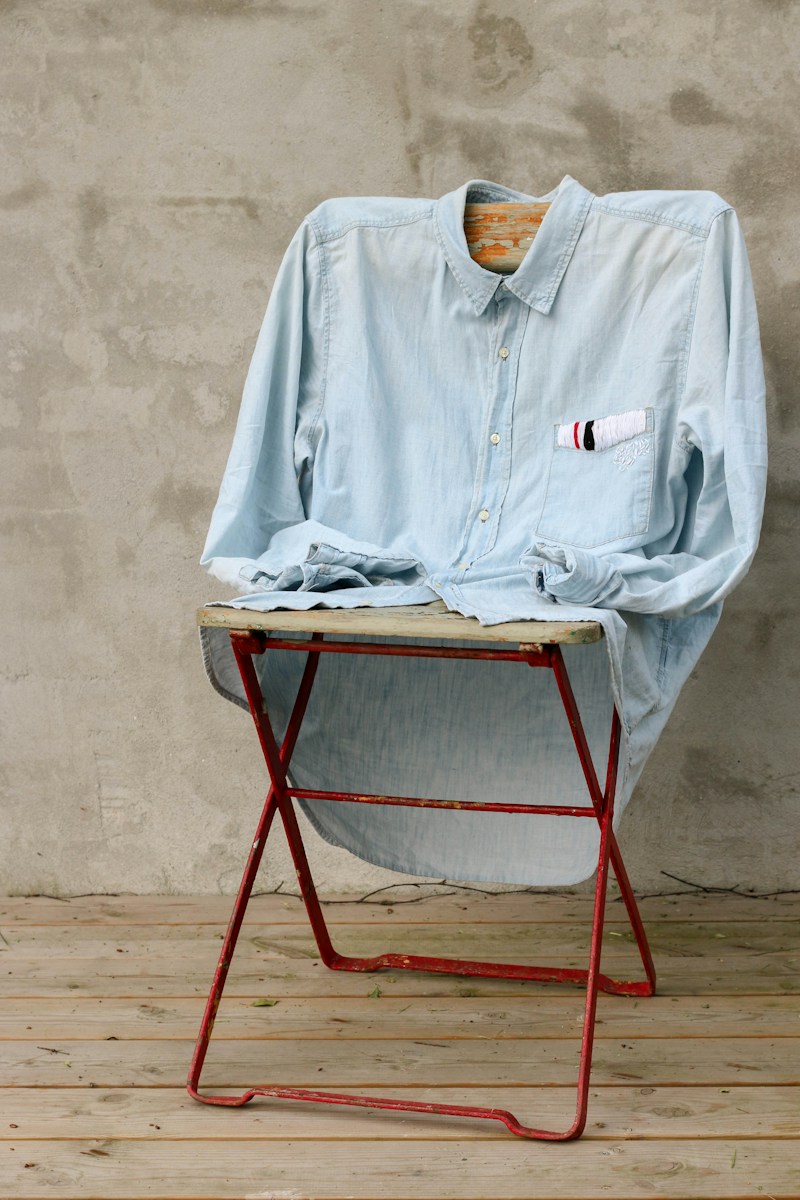
Denim is having a major moment with silhouettes and treatments that feel genuinely fresh. The dominant denim look for 2026 is the wide-leg jean, ranging from a relaxed straight cut to an exaggerated barrel shape. Dark washes and raw denim are preferred for a cleaner look, while distressed and vintage-wash styles work for casual settings.
Beyond traditional jeans, denim is appearing in unexpected forms: tailored denim blazers, denim maxi skirts, and Canadian tuxedo pairings where matching denim top and bottom are styled as a deliberate, cohesive outfit rather than a fashion faux pas. The key is choosing high-quality denim with a substantial weight that drapes properly and holds its shape.
Accessories That Tell a Story
Accessories in 2026 are moving away from logo-heavy, status-driven pieces toward items that feel personal and intentional. Vintage and antique jewelry is experiencing a renaissance, with heirloom pieces and estate sale finds valued f For more on this, see Aadhaar System: How India's Digital Identity Infrastructure Has Evolved.or their uniqueness. Handcrafted accessories from independent artisans are replacing mass-produced items for those who want to support smaller creators.
Trending Accessories
- Sculptural earrings: Architectural, art-inspired earrings that serve as statement pieces against simple outfits.
- Quality leather belts: A well-made leather belt in a classic width and buckle elevates every outfit.
- Oversized sunglasses: Bold frames in acetate, offering personality and eye protection.
- Artisan bags: Handwoven, hand-stitched, or uniquely designed bags from small brands and independent makers.
- Silk scarves: Versatile accessories worn around the neck, in hair, or tied to bags for a touch of color and elegance.
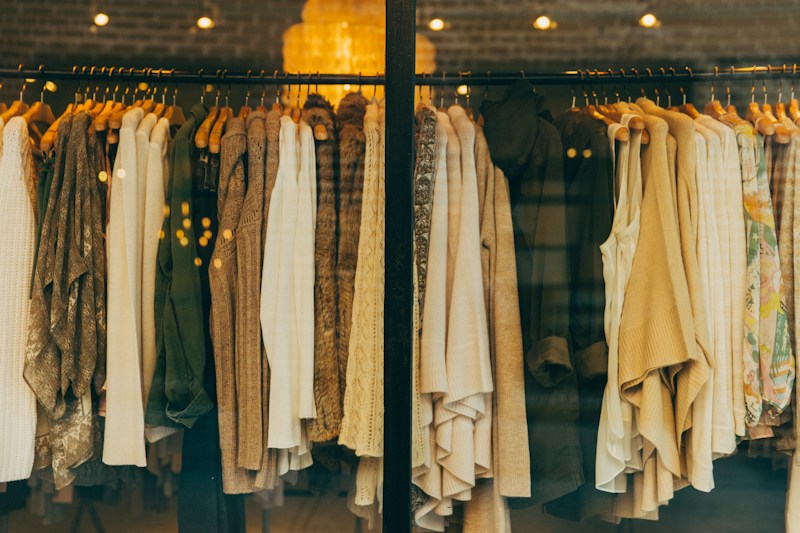
Sustainable Fashion Is No Longer Optional
Sustainability has moved from a niche concern to a baseline expectation. Consumers are increasingly scrutinizing where their clothes come from, how they are made, and what happens when they are discarded. Brands that cannot articulate their sustainability practices are losing ground to those that can.
For individuals, the most sustainable fashion choice is almost always buying less but buying better. A high-quality garment worn 100 times has a fraction of the environmental impact of five cheap alternatives worn 20 times each. The capsule wardrobe approach, building a versatile collection of well-chosen pieces that mix and match freely, aligns sustainability with style and budget efficiency.
Practical Sustainable Choices
- Buy secondhand. Vintage and resale platforms offer unique finds at a fraction of retail prices with zero additional environmental cost.
- Choose natural fibers. Organic cotton, linen, wool, and silk biodegrade naturally. Synthetic fabrics shed microplastics with every wash.
- Care for your clothes. Proper washing, storage, and repair extends garment life dramatically. Cold washing, air drying, and prompt stain treatment are the basics.
- Support transparent brands. Choose companies that publish information about their supply chains, labor practices, and environmental impact.
How to Stay Stylish Without Overspending
The best-dressed people are not those with the biggest budgets. They are those who understand fit, proportion, and the power of a few well-chosen pieces. This year, invest in one or two trend pieces that excite you and style them with what you already own. A bold-colored knit, a pair of wide-leg jeans, or a sculptural accessory can update your entire wardrobe without replacing it.
Fashion in 2026 rewards intentionality over spending. Know what works for your body, your lifestyle, and your personal aesthetic. Choose quality over quantity. And remember that the most stylish choice is always wearing something you genuinely love with confidence. Trends are suggestions, not mandates. Take what resonates and leave the rest.
Related Articles on BlogVerdict
- Best Skincare Tips for Healthy, Clear Skin (Fashion & Beauty)
Summary Comparison
| Factor | Pros | Cons | Verdict |
|---|---|---|---|
| Cost | Various options | Premium can be expensive | Good value overall |
| Quality | High standard | Varies by provider | Research recommended |
| Accessibility | Widely available | Regional differences | Improving steadily |
| Support | Community + official | Response times vary | Adequate for most |
Related Reading on BlogVerdict
Explore more on this topic:
- 5G Changed Everything: The Real Impact Three Years Later
- Aadhaar System: How India's Digital Identity Infrastructure Has Evolved
- African Union Summit Focuses on Continental Free Trade Progress
- Best Skincare Tips for Healthy, Clear Skin
- AI in Healthcare: How Machine Learning Is Diagnosing Diseases Faster Than Doctors
Frequently Asked Questions
How were these selections chosen?
Selections are based on a combination of expert analysis, user reviews, real-world performance testing, and value for money. We update our recommendations regularly as new options become available.
Are these recommendations suitable for beginners?
Yes. We include options for all skill levels and budgets, with clear explanations of what makes each choice stand out.