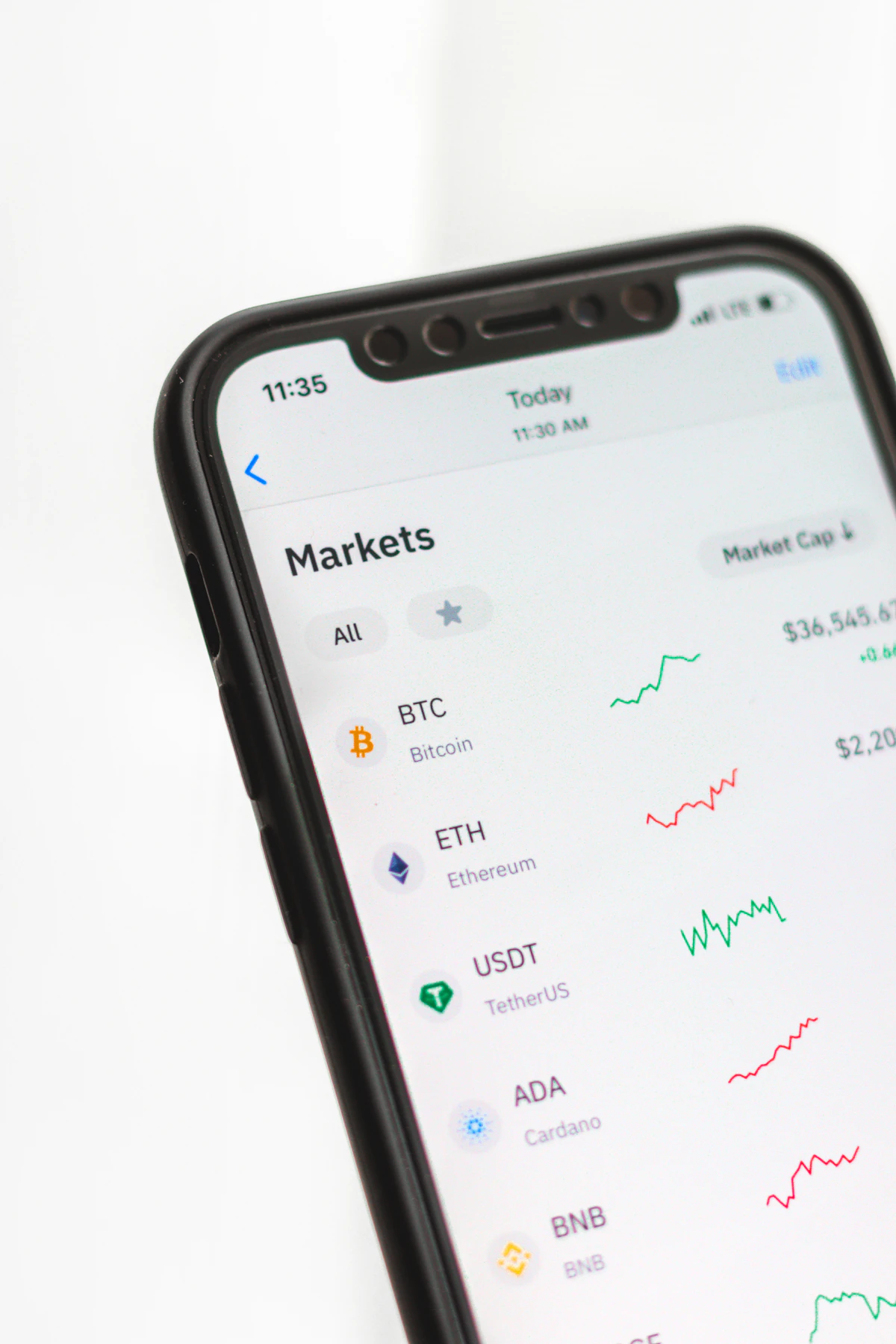
Cryptocurrency has evolved from a niche experiment among technologists into a global financial phenomenon with a combined market capitalization in the trillions of dollars. Yet for many people, the space remains confusing, intimidating, and opaque. The terminology is dense, the technology is complex, and the sheer number of available cryptocurrencies, now exceeding 20,000, makes it difficult to know where to begin. For more on this, see 5G Changed Everything: The Real Impact Three Years Later.
Key Takeaways
- Understanding Blockchain: The Foundation
- Bitcoin: Digital Gold
- Ethereum: The Programmable Blockchain
- Altcoins: The Broader Landscape
This guide cuts through the noise and explains the fundamentals that every beginner needs to understand before engaging with cryptocurrency in any capacity. We cover the three categories that matter most: Bitcoin as the foundational asset, Ethereum as the platform that expanded what cryptocurrency can do, and the broader altcoin landscape that has grown around them.
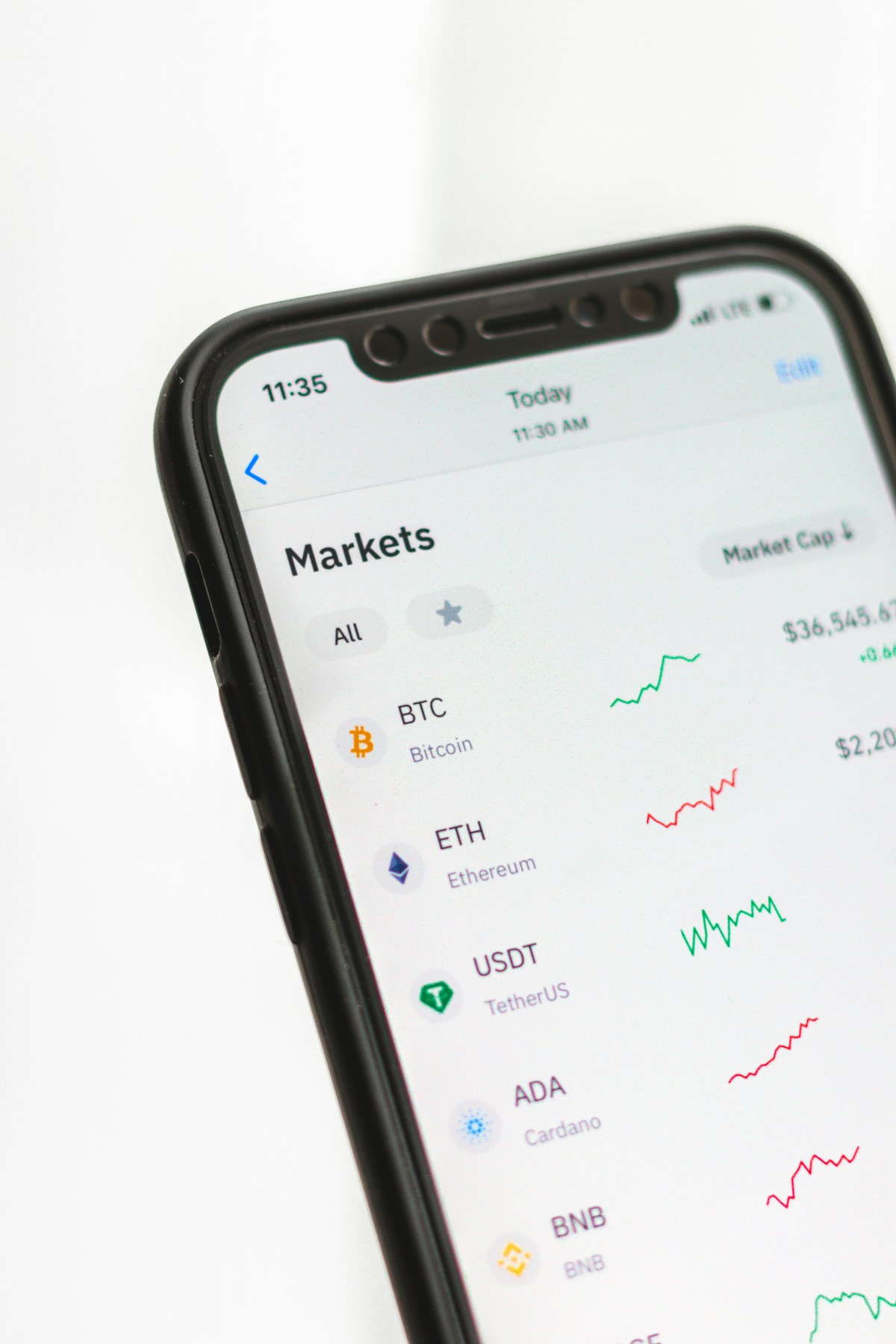
Understanding Blockchain: The Foundation
Before diving into specific cryptocurrencies, it is essential to understand the technology that makes them possible. A blockchain is a distributed digital ledger that records transactions across a network of computers. Unlike a traditional database controlled by a single entity, a blockchain is maintained by thousands of independent participants who collectively validate and store every transaction.
This distributed architecture creates two critical properties. First, transparency: every transaction is publicly visible and can be independently verified by anyone. Second, immutability: once a transaction is recorded on the blockchain, it cannot be altered or deleted. These properties together eliminate the need for a trusted intermediary like a bank or payment processor, enabling peer-to-peer value transfer without centralized control.
Different blockchains use different methods to validate transactions, known as consensus mechanisms. Bitcoin uses Proof of Work, where miners compete to solve mathematical puzzles. Ethereum transitioned to Proof of Stake, where validators lock up their own cryptocurrency as collateral to earn the right to process transactions. Each approach involves tradeoffs between security, energy consumption, speed, and decentralization.
Bitcoin: Digital Gold
What Makes Bitcoin Different
Bitcoin, created in 2009 by the pseudonymous Satoshi Nakamoto, was the first cryptocurrency and remains the most valuable by market capitalization. Its fundamental innovation was solving the double-spending problem, proving that digital scarcity could exist without a central authority.

Bitcoin has a fixed maximum supply of 21 million coins, of which approximately 19.5 million have already been mined. This hard cap is enforced by the protocol itself and cannot be changed by any government, corporation, or individual. This scarcity, combined with gr For more on this, see The Biggest Crypto Trends to Watch in 2026.owing institutional adoption, has led many investors and analysts to describe Bitcoin as digital gold, a store of value in an era of monetary expansion.
How Bitcoin Works
When you send Bitcoin, your transaction is broadcast to the network and collected into a block by miners. These miners use specialized hardware to solve a computationally intensive puzzle, and the first to solve it earns the right to add the block to the blockchain along with a reward of newly created Bitcoin. This process occurs approximately every ten minutes and serves as both the transaction validation mechanism and the method of new coin issuance.

The mining reward halves approximately every four years in an event called the halving. The most recent halving in 2024 reduced the block reward to 3.125 Bitcoin. This predictable, decreasing supply schedule is a core element of Bitcoin's economic design and has historically coincided with significant price appreciation in the years following each halving.
Bitcoin's Limitations
Bitcoin's design prioritizes security and decentralization over speed and flexibility. The network processes roughly seven transactions per second, far fewer than traditional payment networks. Transaction fees fluctuate based on network congestion and can become expensive during periods of high demand.
The Lightning Network, a second-layer technology built on top of Bitcoin, addresses these limitations by enabling nearly instant, low-cost transactions. Users open payment channels on the Lightning Network and conduct multiple transactions off-chain, settling the final balance on the main Bitcoin blockchain. Adoption of Lightning continues to grow, particularly for small, everyday payments.
Ethereum: The Programmable Blockchain
Beyond Simple Transactions
While Bitcoin demonstrated that decentralized digital money is possible, Ethereum, launched in 2015 by Vitalik Buterin and others, showed that blockchain technology can do far more than transfer value. Ethereum introduced smart contracts, self-executing programs that run on the blockchain and automatically enforce agreements without intermediaries.
Smart contracts enable an enormous range of applications: lending and borrowing platforms, decentralized exchanges, insurance protocols, gaming economies, digital identity systems, and much more. This programmability transformed Ethereum from a simple cryptocurrency into a platform for decentralized applications, often abbreviated as dApps.
The Ethereum Ecosystem
Ethereum hosts the largest ecosystem of decentralized applications in cryptocurrency. Key sectors include:
- Decentralized Finance (DeFi) which replicates traditional financial services like lending, trading, and insurance using smart contracts instead of banks and brokers
- Non-Fungible Tokens (NFTs) which represent ownership of unique digital items including art, collectibles, and virtual real estate
- Decentralized Autonomous Organizations (DAOs) which use smart contracts to create collectively governed organizations with transparent rules
- Layer 2 solutions like Arbitrum and Optimism that process transactions off the main Ethereum chain to increase speed and reduce costs
Ethereum's Transition to Proof of Stake
In September 2022, Ethereum completed the Merge, transitioning from Proof of Work to Proof of Stake. This change reduced Ethereum's energy consumption by approximately 99.95 percent and fundamentally altered the network's economic model. Instead of miners competing with computing power, validators now stake a minimum of 32 ETH as collateral and earn rewards for accurately processing transactions.
The transition also introduced a mechanism that burns a portion of transaction fees, making ETH potentially deflationary during periods of high network usage. When more ETH is burned in fees than issued as staking rewards, the total supply decreases, creating upward pressure on value.
Altcoins: The Broader Landscape
What Qualifies as an Altcoin
Any cryptocurrency other than Bitcoin is commonly referred to as an altcoin (alternative coin). This category is vast and includes everything from established projects with billions in market capitalization to speculative tokens with no proven utility. Understanding the major categories helps beginners navigate this complexity.
Major Altcoin Categories
Platform coins are native tokens of alternative smart contract platforms that compete with or complement Ethereum. Solana emphasizes transaction speed, processing thousands of transactions per second at minimal cost. Cardano focuses on academic rigor and formal verification of its protocol. Avalanche offers customizable blockchain subnets tailored to specific use cases.
Stablecoins are cryptocurrencies designed to maintain a stable value, typically pegged to the US dollar. USDC and USDT are the most widely used, serving as the primary medium of exchange within the crypto ecosystem. They allow traders and users to hold dollar-denominated value without leaving the blockchain environment.
Utility tokens serve specific functions within their respective platforms. Chainlink provides decentralized oracle data to smart contracts. Uniswap governs the largest decentralized exchange. Filecoin incentivizes decentralized data storage. The value proposition of each utility token is tied directly to the adoption and usage of its underlying platform.
Evaluating Altcoins
The vast majority of altcoins will fail over time. Beginners should apply rigorous criteria before considering any altcoin investment:
- Does the project solve a real problem that cannot be solved more simply without blockchain technology?
- Is the team credible and transparent with verifiable identities and relevant experience?
- Is there genuine usage beyond speculation, measurable through on-chain metrics like active addresses, transaction volume, and total value locked?
- What is the token distribution and are insiders holding a disproportionate share that could create selling pressure?
- Is the code open source and audited by reputable security firms?
Security Essentials for Beginners
Cryptocurrency security is your personal responsibility. Unlike traditional finance, there is no bank to reverse fraudulent transactions or reset stolen passwords. Understanding and practicing good security habits is not optional.
Wallet Types
A cryptocurrency wallet does not actually store your coins. It stores the private keys that prove ownership and allow you to authorize transactions. Wallet types range from highly convenient to highly secure, and the right choice depends on your usage pattern.
Exchange wallets, where coins are held on platforms like Coinbase or Kraken, are convenient for active trading but carry the risk of exchange hacks or insolvency. Software wallets like MetaMask or Trust Wallet provide more control while remaining accessible on your devices. Hardware wallets like Ledger For more on this, see 10 Big Ideas That Could Change the Future. and Trezor store private keys on a physical device that never connects to the internet, providing the highest level of security for long-term holdings.
Essential Security Practices
Enable two-factor authentication on every exchange account, preferably using an authenticator app rather than SMS, which is vulnerable to SIM-swapping attacks. Never share your seed phrase, the 12 or 24 word recovery phrase generated when you create a wallet, with anyone for any reason. No legitimate service will ever ask for it.
Store your seed phrase offline on paper or metal, ne For more on this, see Bitcoin Price Through Global Uncertainty: A History of Boom and Bust.ver in a digital file, screenshot, or cloud storage service. Consider making multiple copies stored in different secure locations. If someone gains access to your seed phrase, they can steal all of your cryptocurrency regardless of what other security measures you have in place.
Getting Started Wisely
Start with education before committing any money. Read whitepapers, follow reputable analysts and educators, and understand what you are investing in before you buy. When you are ready to begin, start with a small amount you can afford to lose entirely, as cryptocurrency markets are volatile and losses of 50 percent or more within short periods are not unusual.
Use established, regulated exchanges for your initial purchases. Dollar-cost averaging, investing a fixed amount at regular intervals regardless of price, reduces the impact of volatility and eliminates the need to time the market. Resist the urge to chase speculative projects or act on social media hype, which is responsible for the vast majority of beginner losses in cryptocurrency.
Related Articles on BlogVerdict
- The Biggest Crypto Trends to Watch in 2026 (Cryptocurrency)
Risk and Return Overview
| Strategy | Risk Level | Time Horizon | Best For |
|---|---|---|---|
| Conservative | Low | Long-term | Capital preservation |
| Balanced | Medium | Medium-term | Steady growth |
| Aggressive | High | Short-term | High returns |
Related Reading on BlogVerdict
Explore more on this topic:
- 5G Changed Everything: The Real Impact Three Years Later
- 10 Big Ideas That Could Change the Future
- Bitcoin Price Through Global Uncertainty: A History of Boom and Bust
- African Wildlife Conservation Efforts Show Promising Results
- The Biggest Crypto Trends to Watch in 2026
- 5 Habits That Separate Great Developers from Good Ones
Frequently Asked Questions
What is the main point from this article?African Wildlife Conservation Efforts Show Promising Results.h3>
The most important insight is that understanding the fundamentals and staying informed about developments in this area can help you make better decisions and stay ahead of important changes.
Where can I learn more about this topic?
We recommend exploring the linked resources throughout this article, following authoritative sources in this field, and checking BlogVerdict regularly for updated coverage and analysis.