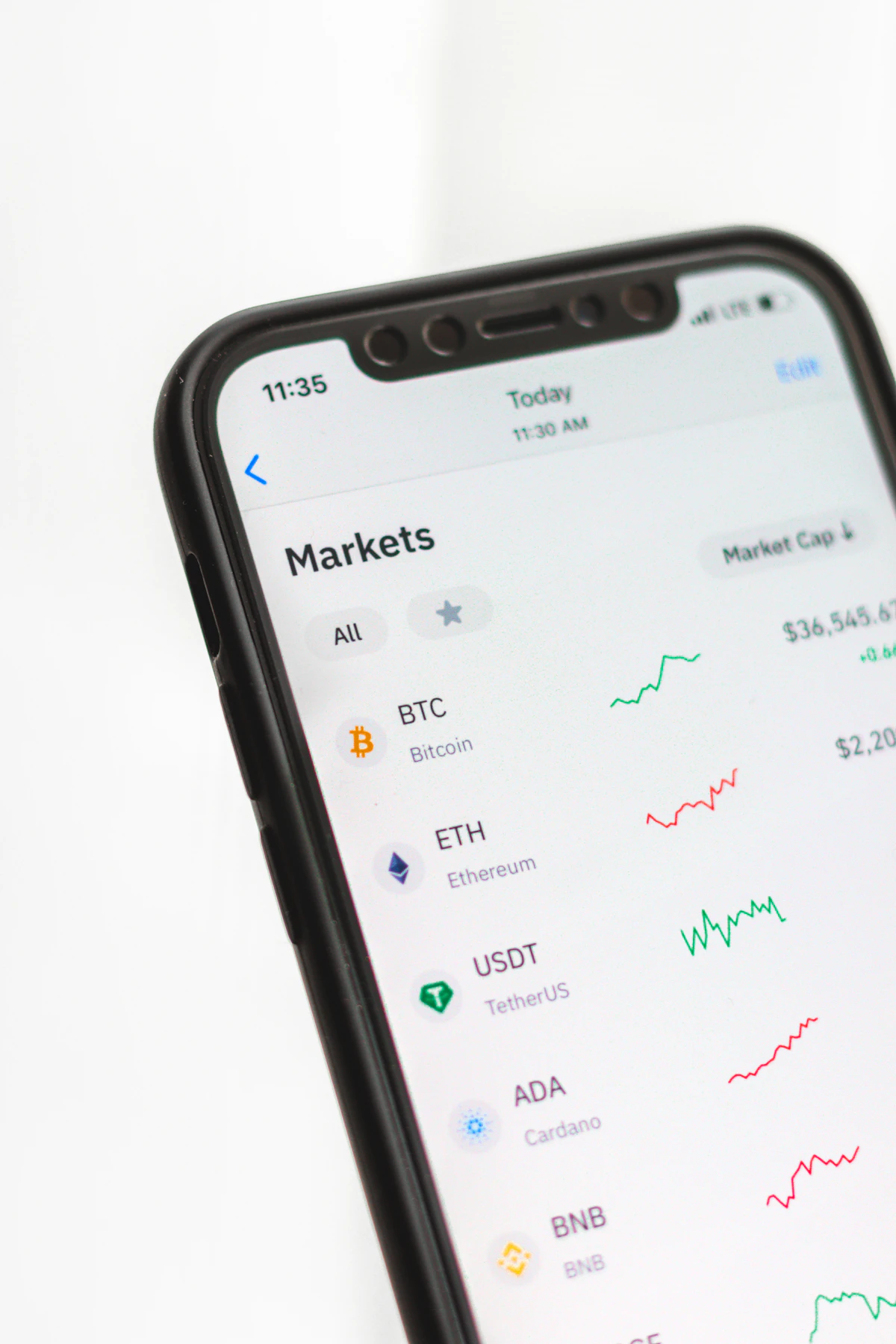
The cryptocurrency landscape in 2026 looks fundamentally different from even two years ago. What was once a market driven primarily by retail speculation has matured into a complex ecosystem where institutional capital, regulatory frameworks, and real-world applications increasingly determine the direction of the industry.
Key Takeaways
- Institutional Adoption Accelerates
- Regulatory Clarity Takes Shape
- Real-World Asset Tokenization
- DeFi Evolution: From Experimentation to Maturity
Understanding the trends shaping this space is essential whether you are an active participant, a cautious observer, or somewhere in between. These are the developments that analysts, builders, and institutional players are paying the most attention to this year.

Institutional Adoption Accelerates
Institutional involvement in cryptocurrency has shifted from experimental to strategic. The approval and subsequent success of spot Bitcoin and Ethereum ETFs in the United States opened the floodgates for traditional finance to gain exposure to digital assets through familiar investment vehicles.
ETF Inflows and Market Structure
Spot Bitcoin ETFs have attracted tens of billions of dollars in cumulative inflows since their launch, making them among the most successful ETF launches in history. This capital comes from pension funds, endowments, family offices, and registered investment advisors who previously had no compliant way to gain Bitcoin exposure for their clients. For more on this, see Bitcoin, Ethereum, and Altcoins: What Beginners Should Know.

The impact on market structure has been significant. ETF demand creates consistent buying pressure that differs fundamentally from retail speculation. It is methodical, recurring, and driven by portfolio allocation decisions rather than sentiment or social media trends. This structural shift contributes to reduced volatility over longer timeframes, though short-term price swings remain substantial.
Corporate Treasury Adoption
Following the playbook pioneered by MicroStrategy, a growing number of publicly traded companies have added Bitcoin to their corporate treasuries as a reserve asset. The rationale centers on Bitcoin's properties as a non-correlated, non-dilutable store of value that hedges against monetary debasement.
This trend is particularly notable among technology companies and firms with significant cash reserves seeking alternatives to low-yield bonds and depreciating fiat currencies. Corporate adoption adds another layer of demand-side support and further legitimizes Bitcoin as a treasury asset class.
Regulatory Clarity Takes Shape
Regulation remains one of the most consequential variables in the cryptocurrency industry. After years of uncertainty and enforcement-driven approaches, several major jurisdictions have moved toward comprehensive regulatory frameworks that provide clear guidelines for industry participants.

United States Regulatory Progress
The regulatory environment in the United States has evolved significantly. Legislative efforts to create clear classifications for digital assets, define the jurisdictional boundaries between the SEC and CFTC, and establish requirements for stablecoin issuers have advanced further than at any previous point. While perfect clarity remains elusive, the direction is toward accommodation rather than prohibition.
This evolving framework has already encouraged several major cryptocurrency companies to pursue or obtain banking charters, broker-dealer licenses, and other traditional financial licenses that bridge the gap between decentralized finance and the regulated financial system.
Global Regulatory Divergence
Regulation is developing unevenly across the globe. The European Union's Markets in Crypto-Assets (MiCA) framework provides one of the most comprehensive regulatory structures for digital assets worldwide. Meanwhile, certain Asian jurisdictions have taken more restrictive approaches, while others, p For more on this, see AI in Healthcare: How Machine Learning Is Diagnosing Diseases Faster Than Doctors.articularly in the Middle East and parts of Southeast Asia, have positioned themselves as crypto-friendly hubs competing to attract industry talent and capital.
This regulatory divergence creates both challenges and opportunities. Compliance-focused projects that can navigate multiple regulatory environments have a competitive advantage, while the industry's geographic distribution of talent and infrastructure continues to evolve based on regulatory hospitality.
Real-World Asset Tokenization
The tokenization of real-world assets, converting ownership rights in physical assets into digital tokens on a blockchain, is emerging as one of the most significant applications of distributed ledger technology. For more on this, see Aadhaar System: How India's Digital Identity Infrastructure Has Evolved.
What Is Being Tokenized
Tokenization projects now span an enormous range of asset types. US Treasury bonds, corporate bonds, real estate, private equity, commodities, carbon credits, and fine art are all being tokenized on public and private blockchains. The appeal is straightforward: tokenization enables fractional ownershi For more on this, see African Union Summit Focuses on Continental Free Trade Progress.p, 24/7 trading, automated compliance, instant settlement, and global access to assets that have traditionally been illiquid and restricted to institutional investors.
Major financial institutions including BlackRock, JPMorgan, and Franklin Templeton have launched tokenized fund products, signaling that this is not a fringe experiment but a strategic priority for mainstream finance. Analysts project the tokenized asset market could reach trillions of dollars in value within the next five years.
Infrastructure Development
The growth of tokenization depends on strong infrastructure for issuance, custody, trading, and compliance. Specialized platforms are emerging that handle the legal, regulatory, and technical complexity of bringing real-world assets on-chain. Interoperability between different blockchains is also advancing, enabling tokenized assets to move across networks smoothly.
DeFi Evolution: From Experimentation to Maturity
Decentralized finance has matured considerably since the speculative frenzy of 2020-2021. The projects that survived the bear market did so by demonstrating genuine utility, sustainable economics, and increasingly sophisticated risk management.
Institutional DeFi
A growing subset of DeFi protocols now specifically cater to institutional participants who require compliance features like identity verification, transaction monitoring, and regulatory reporting. These permissioned pools operate on public blockchains but restrict participation to verified entities, creating a bridge between decentralized technology and regulated finance.
Institutional DeFi protocols have attracted significant capital by offering yields that exceed traditional fixed-income instruments while providing transparency and composability that traditional finance cannot match. The ability to verify collateralization in real time, for example, reduces counterparty risk in ways that traditional lending markets cannot replicate.
Cross-Chain Interoperability
The multi-chain reality of modern cryptocurrency has created strong demand for interoperability solutions that allow assets and data to move between blockchains securely. Cross-chain bridges have historically been a major security vulnerability, with billions of dollars lost to bridge exploits over the years.
Newer approaches including zero-knowledge proof-based bridges, intent-based architectures, and chain abstraction protocols are addressing these security concerns while improving the user experience. The goal is a future where users interact with multiple blockchains without needing to know or care which chain their transaction is processed on.
Artificial Intelligence Meets Crypto
The intersection of artificial intelligence and cryptocurrency is generating significant interest and capital investment. Several convergence points are emerging.
Decentralized compute networks allow AI developers to access distributed GPU resources for model training and inference, potentially reducing costs and dependence on centralized cloud providers. Data marketplaces using blockchain for provenance and compensation enable AI models to be trained on proprietary datasets with transparent attribution and payment.
AI-powered trading agents that For more on this, see Bitcoin Price Through Global Uncertainty: A History of Boom and Bust.operate autonomously on decentralized exchanges represent another area of rapid development. These agents analyze on-chain data, execute complex trading strategies, and manage portfolios without human intervention. The transparency of blockchain transactions allows their strategies and performance to be independently verified.
Stablecoin Expansion
Stablecoins have become the most practical and widely used application of cryptocurrency technology, with total circulating supply exceeding $200 billion. Their utility as a medium of exchange, particularly for cross-border payments and in regions with unstable local currencies, continues to drive adoption independent of broader crypto market conditions.
New entrants to the stablecoin market, including products from major banks and fintech companies, are increasing competition and driving innovation in yield generation, compliance, and accessibility. Regulatory frameworks specifically addressing stablecoin issuance are providing the legal clarity needed for mainstream financial institutions to participate.
What This Means for You
The cryptocurrency industry in 2026 rewards participants who prioritize understanding over speculation. The trends outlined above share a common theme: the space is becoming more professional, more regulated, and more connected to the broader financial system. Projects with genuine utility, strong teams, and sustainable economics are pulling away from the speculative noise that characterized earlier market cycles.
Whether you are investing, building, or simply following along, focusing on these structural trends rather than daily price movements provides the most useful perspective on where cryptocurrency is heading and what it might ultimately become.
Related Articles on BlogVerdict
- Bitcoin, Ethereum, and Altcoins: What Beginners Should Know (Cryptocurrency)
Risk and Return Overview
| Strategy | Risk Level | Time Horizon | Best For |
|---|---|---|---|
| Conservative | Low | Long-term | Capital preservation |
| Balanced | Medium | Medium-term | Steady growth |
| Aggressive | High | Short-term | High returns |
Related Reading on BlogVerdict
Explore more on this topic:
- Aadhaar System: How India's Digital Identity Infrastructure Has Evolved
- Bitcoin, Ethereum, and Altcoins: What Beginners Should Know
- Bitcoin Price Through Global Uncertainty: A History of Boom and Bust
- AI in Healthcare: How Machine Learning Is Diagnosing Diseases Faster Than Doctors
- African Union Summit Focuses on Continental Free Trade Progress
- 10 Meals You Can Cook in Under 30 Minutes That Are Actually Healthy
Frequently Asked Questions
What is the main point from this article?
The most important insight is that understanding the fundamentals and staying informed about developments in this area can help you make better decisions and stay ahead of important changes.
Where can I learn more about this topic?
We recommend exploring the linked resources throughout this article, following authoritative sources in this field, and checking BlogVerdict regularly for updated coverage and analysis.