Electric Cars Have Finally Grown Up
The electric vehicle market in 2026 looks nothing like it did five years ago. Back then, buying an EV meant choosing between a handful of expensive luxury sedans or compromising on range and practicality. Today, there are more than 100 electric models available across every segment, from compact city cars to full-size trucks, and prices have dropped to a point where EVs are genuinely competitive with their gasoline counterparts for the average buyer.
Key Takeaways
- Electric Cars Have Finally Grown Up
- What Makes an EV Good for Daily Driving
- Top Electric Cars for Everyday Driving in 2026
- Practical Considerations Before You Buy
If you are an everyday driver who needs a reliable, affordable, and practical car for commuting, running errands, and the occasional road trip, electric vehicles now offer compelling options that make real sense. This guide walks you through the best electric cars available right now for people who just need a good car, not a technology statement.
What Makes an EV Good for Daily Driving
Before diving into specific models, it helps to understand the criteria that matter most for everyday drivers. The priorities are different from what enthusiast publications typically focus on. You do not need a sub-three-second zero-to-sixty time or a track-tuned suspension. What you need is practicality.
Range That Covers Real Life
Most Americans drive fewer than 40 miles per day. That means even an EV with 200 miles of range would only need charging twice a week under normal conditions. However, range anxiety is real, and having a buffer for unexpected trips matters. For everyday driving, look for at least 250 miles of real-world range. Real-world range typically runs 10 to 20 percent below the official EPA estimate, especially in cold weather or at highway speeds.
Charging Accessibility
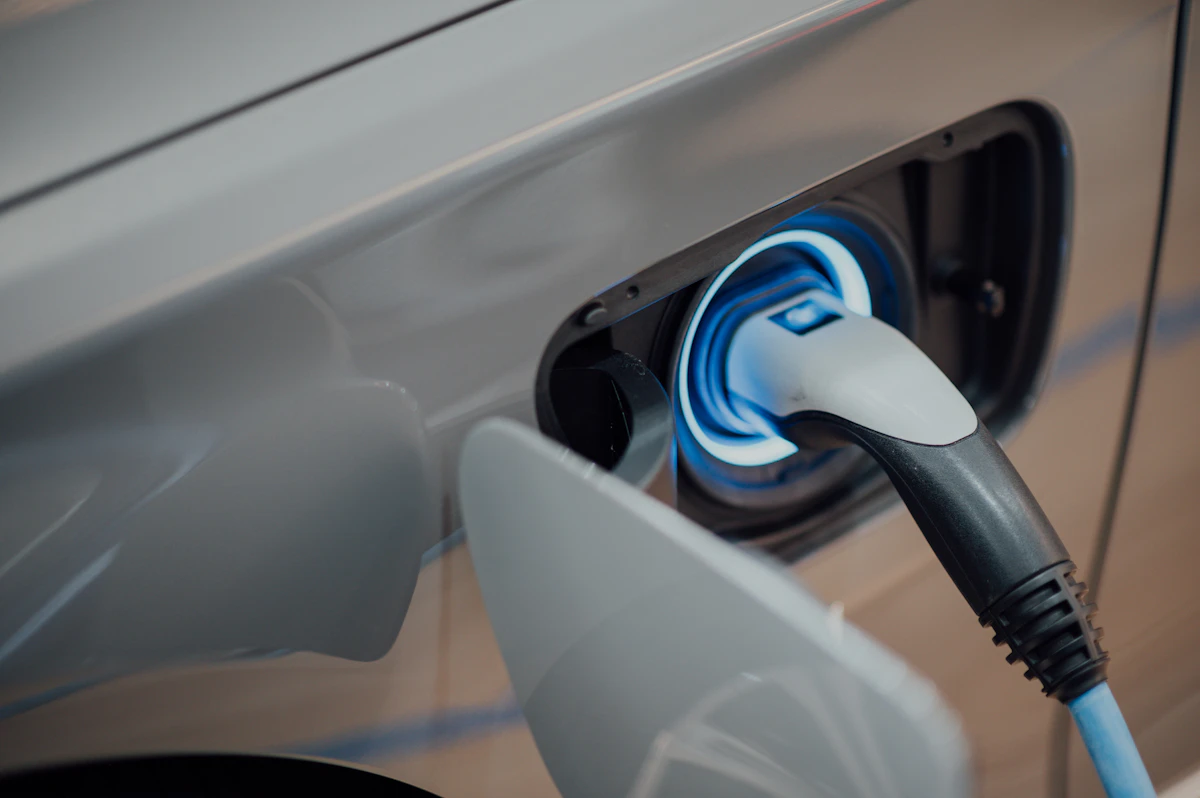
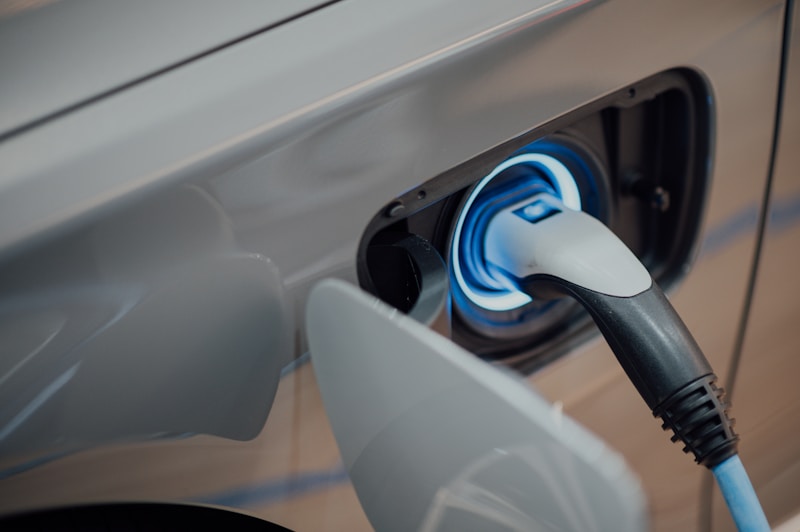
Home charging changes everything. If you can install a Level 2 charger in your garage, you wake up every morning with a full battery and never visit a gas station again. If you rely on public charging, you want a car that supports fast DC charging at 150 kW or more. The charging network expansion has been remarkable, wit For more on this, see 5 Habits That Separate Great Developers from Good Ones.h Tesla opening its Supercharger network to other brands and companies like ChargePoint, Electrify America, and EVgo adding thousands of stations annually.
Total Cost of Ownership
EVs cost less to operate than gasoline cars. Electricity costs roughly one-third to one-half of gasoline per mile driven. Maintenance costs are dramatically lower because electric motors have far fewer moving parts. There are no oil changes, no transmission fluid, no timing belts. Brake pads last much longer because regenerative braking handles most of the stopping force.
Top Electric Cars for Everyday Driving in 2026
Tesla Model 3: Still the Benchmark
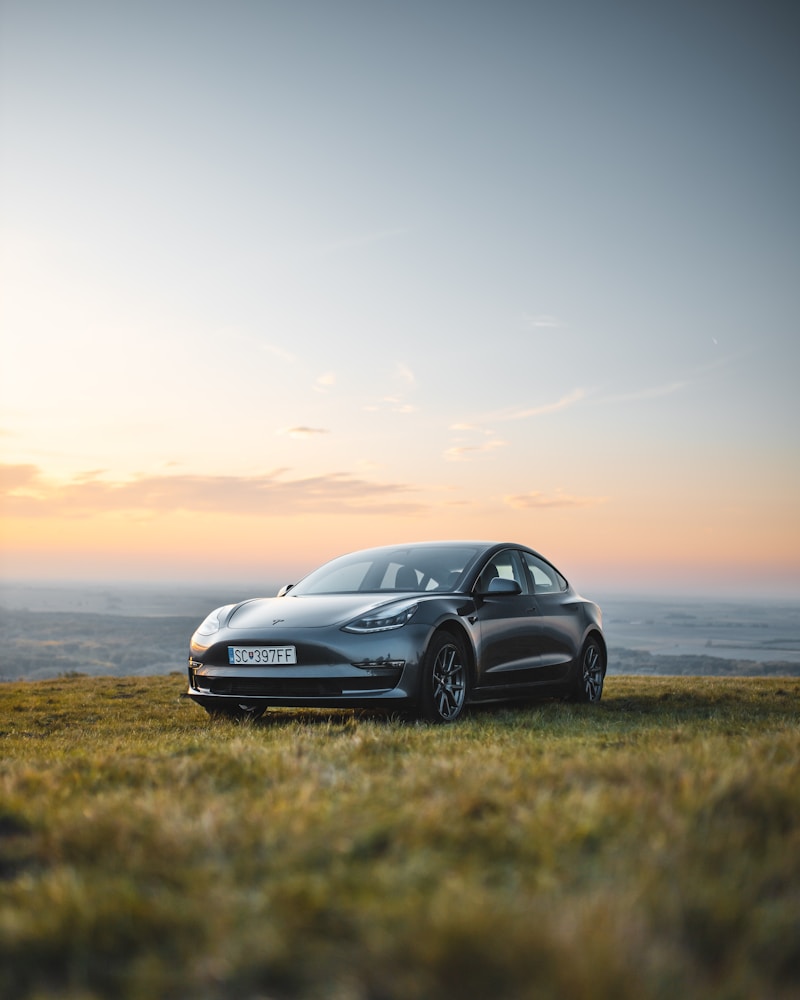
The refreshed Tesla Model 3 remains one of the best overall values in the EV market. With a starting price around $35,000 after federal tax credits and a real-world range exceeding 300 miles, it delivers more usable technology per dollar than almost any competitor. The Supercharger network gives it an infrastructure advantage that other brands are still working to match.
The interior has been significantly upgraded with improved materials and noise insulation. The 15.4-inch touchscreen handles nearly all vehicle controls, which takes getting used to but becomes intuitive quickly. Autopilot comes standard, offering adaptive cruise control and lane centering that genuinely reduce highway driving fatigue.
Chevrolet Equinox EV: The Affordable All-Rounder
General Motors hit a home run with the Equinox EV. Starting under $30,000 after incentives, this compact SUV delivers approximately 270 miles of range on the base model and up to 319 miles on higher trims. It is spacious enough for a family of four, has a conventional SUV layout that feels immediately familiar, and the interior quality punches well above its price point.
What makes the Equinox EV special for everyday drivers is how normal it feels. There is no learning curve. The controls are where you expect them, there are physical buttons for climate settings, and cargo space is generous at 57 cubic feet with the rear seats folded. It is the kind of car that could convert someone who has never considered an EV.
Hyundai Ioniq 5: Design Meets Practicality
The Hyundai Ioniq 5 combines striking design with excellent everyday usability. Its 800-volt architecture allows ultra-fast charging that can add 200 miles of range in under 18 minutes at compatible stations. The flat floor design creates a remarkably spacious interior for a vehicle of its size, and the vehicle-to-load feature lets you use the car as a mobile power source. For more on this, see African Union Summit Focuses on Continental Free Trade Progress.
The Ioniq 5 also offers one of the best warranty packages in the industry: five years/60,000 miles bumper-to-bumper, ten years/100,000 miles on the powertrain, and ten years/100,000 miles on the battery. For everyday drivers who want peace of mind, that coverage is hard to beat.

Ford Mustang Mach-E: The Crossover That Delivers
Ford has steadily improved the Mustang Mach-E since its launch, and the 2026 model is the best version yet. The extended-range battery provides up to 312 miles, and the standard all-wheel-drive option makes it a strong choice for drivers in northern climates who face snow and ice. The driving dynamics are genuinely engaging, with responsive steering and a planted feel through corners.
The BlueCruise hands-free highway driving system works on over 130,000 miles of prequalified highways, and it is one of the more confidence-inspiring semi-autonomous systems available. For commuters who spend significant time on interstates, this feature alone can justify the purchase.
Kia EV6: Performance and Value Combined
The Kia EV6 shares its platform with the Ioniq 5 but offers a sportier driving experience. It handles like a smaller car despite its crossover proportions, and the GT trim delivers 576 horsepower for drivers who want excitement without sacrificing daily usability. The standard model provides around 280 miles of range, and the same 800-volt fast-charging capability as its Hyundai sibling.
Practical Considerations Before You Buy
Home Charging Setup
Installing a Level 2 home charger typically costs between $500 and $1,500 including the charger and electrician installation. Many utility companies offer EV-specific rate plans that make overnight charging extremely cheap. Some states and local For more on this, see 10 Big Ideas That Could Change the Future.ities offer additional rebates that can cover most or all of the installation cost.
Insurance Costs
EV insurance premiums tend to run 10 to 25 percent higher than comparable gasoline vehicles, primarily because repair costs are higher when battery or electrical components are involved. However, this gap is shrinking as more repair shops gain EV expertise and parts supply chains mature. Shopping around and bundling policies can close the gap significantly.
Resale Value Trends
EV resale values have stabilized considerably after some early volatility. Teslas and Hyundai/Kia EVs currently hold their value best, while some other brands have seen steeper depreciation. As the market matures and battery longevity proves itself over time, resale values across the board are expected to strengthen.
The Tax Credit Landscape
Federal EV tax credits of up to $7,500 remain available for qualifying vehicles, though the eligibility requirements around domestic manufacturing and battery sourcing continue to evolve. Several states offer additional credits or rebates that stack on top of the federal incentive. Before purchasing, check the current qualifying vehicle list and your state incentives.
Is an Electric Car Right for You?
An EV makes the most sense if you have access to home charging or reliable workplace charging, drive a predictable daily distance, and plan to keep the car for several years to maximize the savings on fuel and maintenance. If you frequently drive 300-plus miles in a single day without stopping or live in an area with extremely limited charging infrastructure, a plug-in hybrid might be a better transitional option.
For the vast majority of everyday drivers, however, the answer in 2026 is clear: electric cars are not just viable alternatives to gasoline vehicles. They are often the better choice. The technology has matured, the prices have come down, the charging infrastructure is extensive, and the driving experience is simply excellent. The best time to go electric is now.
Related Articles on BlogVerdict
- How EVs Are Changing the Future of Transportation (Automotive)
Summary Comparison
| Factor | Pros | Cons | Verdict |
|---|---|---|---|
| Cost | Various options | Premium can be expensive | Good value overall |
| Quality | High standard | Varies by provider | Research recommended |
| Accessibility | Widely available | Regional differences | Improving steadily |
| Support | Community + official | Response times vary | Adequate for most |
Related Reading on BlogVerdict
Explore more on this topic:
- African Union Summit Focuses on Continental Free Trade Progress
- How EVs Are Changing the Future of Transportation
- 5 Habits That Separate Great Developers from Good Ones
- 10 Big Ideas That Could Change the Future
Frequently Asked Questions
How were these selections chosen?
Selections are based on a combination of expert analysis, user reviews, real-world performance testing, and value for money. We update our recommendations regularly as new options become available.
Are t For more on this, see How EVs Are Changing the Future of Transportation.hese recommendations suitable for beginners?
Yes. We include options for all skill levels and budgets, with clear explanations of what makes each choice stand out.