Transportation Is Being Rewritten
Electric vehicles are not just replacing gasoline engines with batteries. They are fundamentally reshaping how transportation works at every level, from the cars sitting in driveways to the power grids that supply them, from urban planning to global supply chains, and from the corner mechanic shop to the largest automakers on the planet. The transition to electric transportation is the biggest change the automotive industry has experienced since the Model T made cars accessible to ordinary people.
Key Takeaways
- Transportation Is Being Rewritten
- The End of the Internal Combustion Monoculture
- How EVs Are Reshaping Urban Planning
- The Supply Chain Revolution
By 2026, electric vehicle sales have surpassed 20 percent of all new car purchases in the United States and exceed 35 percent in Europe and China. These are not projections anymore. This is a structural transformation happening in real time, and it is accelerating. Understanding what is changing and why helps you navigate a world where the familiar rhythms of car ownership, city planning, and energy consumption are all being rewritten simultaneously.
The End of the Internal Combustion Monoculture
For more than a century, the internal combustion engine defined personal transportation. The entire ecosystem evolved around it: gas stations on every corner, mechanics trained to rebuild transmissions, oil change shops in every strip mall, and an energy infrastructure that moves crude oil across oceans. All of that is now in transition.
The Manufacturing Shift
Every major automaker has committed billions to electrification. Ford is investing $50 billion in EVs through 2026. General Motors has pledged to go all-electric by 2035. Volkswagen Group is spending 180 billion euros on electrification and digitalization. Toyota, long skeptical of battery-electric vehicles, has dramatically accelerated its EV plans after watching competitors gain market share.
This manufacturing shift creates a cascading economic effect. Battery gigafactories are being built across the American South, the European Union, and Southeast Asia. New jobs in battery manufacturing, power electronics, and charging infrastructure are replacing traditional automotive roles. The International Energy Agency estimates that the global EV supply chain now supports over four million jobs worldwide. For more on this, see Best Electric Cars for Everyday Drivers.
What Happens to Gas Stations
The gas station as we know it is evolving. With home charging covering 80 to 90 percent of everyday charging needs, traditional fuel stops face declining demand for their core product. Forward-thinking operators are adding fast chargers alongside their fuel pumps. Some are converting entirely to charging hubs that combine fast charging with lounges, restaurants, and retail, turning the five-minute fill-up into a twenty-minute experience that generates more revenue per customer.

How EVs Are Reshaping Urban Planning
Electric vehicles produce zero tailpipe emissions, which has direct implications for how cities are designed and how livable they become. Air quality in dense urban areas is already measurably improving in cities with high EV adoption rates.
Quieter Streets
Electric motors are dramatically quieter than combustion engines, especially at low speeds. Cities with high EV penetration are noticeably quieter, which has positive effects on property values near busy roads, outdoor dining experiences, and general quality of life. Some urban planners are rethinking sound barriers and road setback requirements as traffic noise decreases.
Parking and Charging Integration
New construction codes in many cities now require a percentage of parking spaces to be EV-ready, with conduit and electrical capacity pre-installed. This is changing parking garage design, apartment complex planning, and commercial real estate development. Buildings with strong EV charging infrastructure command premium rents and higher property values.
Vehicle-to-Grid Technology
Perhaps the most significant change is vehicle-to-grid (V2G) technology, which allows EVs to feed stored energy back into the electrical grid during peak demand periods. A neighborhood of 100 EVs with V2G capability could provide enough stored energy to power 50 homes during a four-hour peak period. Utilities are developing programs that pay EV owners for this grid-stabilization service, effectively turning your car into a revenue-generating asset while it sits in your driveway.

The Supply Chain Revolution
The shift to EVs has created entirely new supply chains centered on batteries and the critical minerals that go into them. Lithium, cobalt, nickel, and manganese are the new strategic resources, and the geopolitics of these materials is reshaping international trade relationships.
Battery Technology Advances
Lithium iron phosphate (LFP) batteries have become the standard for affordable EVs, offering lower cost, longer cycle life, and no cobalt dependency at the expense of slightly lower energy density. Solid-state batteries, long promised as the next breakthrough, are beginning to appear in production vehicles from Toyota and Samsung SDI partnerships, offering higher energy density and faster charging. For more on this, see 10 Meals You Can Cook in Under 30 Minutes That Are Actually Healthy.
The cost of battery packs has fallen below $100 per kilowatt-hour, which is widely considered the tipping point where EVs achieve cost parity with gasoline cars without subsidies. Some manufacturers are already producing packs at $80 per kilowatt-hour, and projections suggest $60 per kilowatt-hour by 2030.
Recycling and Second Life
EV battery recycling is becoming a significant industry. Companies like Redwood Materials, Li-Cycle, and Northvolt are building large-scale recycling facilities that recover over 95 percent of critical minerals from used batteries. Before recycling, man For more on this, see ASEAN Nations Strengthen Regional Cooperation Agreement.y EV batteries find a second life in stationary energy storage, where their reduced capacity is still perfectly adequate for grid storage and commercial backup power applications.
Commercial and Heavy-Duty Electrification
The electrification of transportation extends well beyond passenger cars. Delivery vans, school buses, city buses, and even long-haul trucks are going electric.
Last-Mile Delivery
Amazon, FedEx, UPS, and other logistics companies are aggressively electrifying their delivery fleets. Electric delivery vans are ideal for urban routes: they start each day from a depot where overnight charging is easy, they operate on predictable routes with known energy requirements, and they reduce operating costs in stop-and-go traffic where regenerative braking recovers significant energy. For more on this, see 10 Big Ideas That Could Change the Future.
Public Transit Transformation
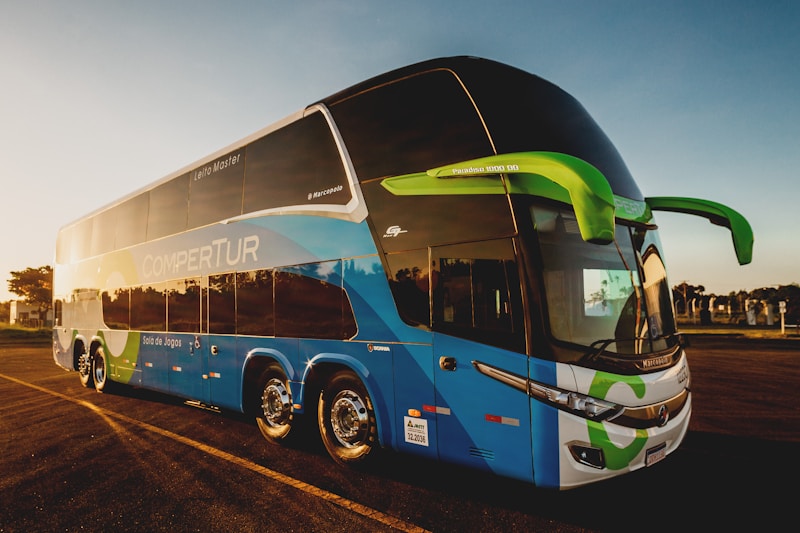
Electric buses are becoming the default choice for transit agencies worldwide. They cost more upfront but deliver dramatic savings in fuel and maintenance over their 12-to-15-year service lives. Many agencies report that electric buses reduce per-mile operating costs by 60 to 80 percent compared to diesel. The rider experience improves too: quieter, smoother, with no diesel fumes at stops.
Challenges That Remain
Despite the momentum, significant challenges persist. Grid capacity needs upgrading in many areas to support mass EV adoption. Rural charging infrastructure remains sparse. Apartment dwellers without dedicated parking still face charging hurdles. And the mining of battery minerals raises legitimate environmental and human rights concerns that the industry must address transparently.
The pace of change also creates workforce disruption. Mechanics who have spent careers mastering internal combustion engines need retraining. Dealerships that relied on service revenue from oil changes and transmission repairs must adapt their business models. Communities built around petroleum extraction and refining face economic transition.
What Comes Next
The trajectory is clear even if the exact timeline is debatable. Within the next decade, the majority of new cars sold in developed markets will be electric. Autonomous driving technology, which pairs naturally with electric powertrains, will add another layer of transformation. The combination of electric, autonomous, and connected vehicles will change not just how we drive, but whether we drive at all.
For consumers, the message is practical: electric vehicles have reached the point where they work for most people most of the time. The technology is proven, the economics are favorable, and the infrastructure is expa For more on this, see 5G Changed Everything: The Real Impact Three Years Later.nding rapidly. The future of transportation is not some distant vision. It is arriving in driveways and parking lots right now.
Related Articles on BlogVerdict
- Best Electric Cars for Everyday Drivers (Automotive)
Summary Comparison
| Factor | Pros | Cons | Verdict |
|---|---|---|---|
| Cost | Various options | Premium can be expensive | Good value overall |
| Quality | High standard | Varies by provider | Research recommended |
| Accessibility | Widely available | Regional differences | Improving steadily |
| Support | Community + official | Response times vary | Adequate for most |
Related Reading on BlogVerdict
Explore more on this topic:
- 10 Big Ideas That Could Change the Future
- 5G Changed Everything: The Real Impact Three Years Later
- 10 Meals You Can Cook in Under 30 Minutes That Are Actually Healthy
- ASEAN Nations Strengthen Regional Cooperation Agreement
- Best Electric Cars for Everyday Drivers
Frequently Asked Questions
What are the main factors driving this trend?
The convergence of technological innovation, shifting consumer expectations, economic pressures, and regulatory changes are all contributing to this transformation. Each factor reinforces the others, creating momentum.
How will this affect everyday people?
The effects will vary by region and demographic, but most people will experience meaningful changes in how they work, consume, and interact with technology over the next 3-5 years.