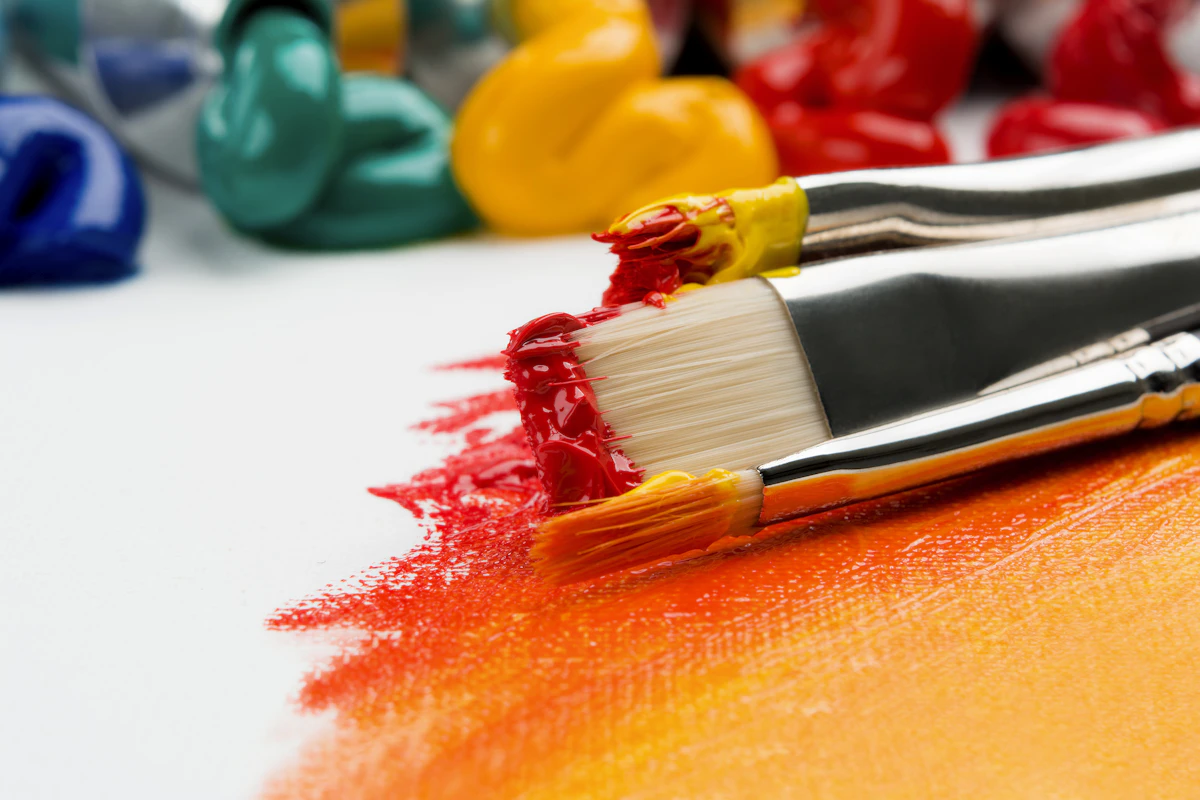
There is something deeply satisfying about making things with your hands. In a world where most of our waking hours are spent staring at screens, crafting offers a tactile, creative outlet that engages different parts of your brain and produces something tangible that you can use, display, or give as a gift. The best part is that you do not need artistic talent or expensive supplies to get started. Most of the crafts can be begun with materials that cost under 30 dollars and skills that take an afternoon to learn.
Key Takeaways
- Hand-Poured Soy Candles
- Macrame Wall Hangings
- Resin Art and Coasters
- Block Printing on Fabric
Whether you are looking for a relaxing weekend hobby, handmade gift ideas, or even a potential side business, these craft ideas are accessible, rewarding, and genuinely useful.
Hand-Poured Soy Candles
Candle making is one of the most accessible and rewarding crafts for beginners. The process is simple: melt wax, add fragrance, pour into a container with a wick, and let it cool. The results are beautiful, functional, and make excellent gifts. Many crafters who start making candles as a hobby end up selling them as a side business because the demand for handmade, natural candles is consistently strong.
To get started, you need soy wax flakes, candle wicks with metal tabs, fragrance oils, a pouring pot, and containers. Mason jars, ceramic mugs, and recycled glass jars all work well as candle vessels. A basic starter kit with enough supplies for eight to ten candles typically costs 25 to 40 dollars.
The process starts by melting the wax in a double boiler or pouring pot to about 170 degrees Fahrenheit. Remove from heat, stir in fragrance oil, about one ounce per pound of wax, and let the mixture cool to 135 degrees before pouring into your prepared containers. Center the wick and let the candle cool completely, which takes several hours. For the best scent throw, let your candles cure for a few days before burning them. For more on this, see ASEAN Nations Strengthen Regional Cooperation Agreement.
Experiment with different fragrance combinations, colored wax, dried flower embeds, and creative containers to develop your own signature style. The learning curve is gentle, and you will be producing professional-quality candles within your first few batches.
Macrame Wall Hangings
Macrame, the art of knotting cord into decorative patterns, has experienced a massive revival. The bohemian, textured look of macrame wall hangings, plant hangers, and accessories fits naturally into modern interior design. And despite looking intricate, the basic techniques are straightforward enough for a complete beginner to learn in an afternoon.

You only need two materials to start: macrame cord, typically three or four millimeter cotton cord, and a wooden dowel or branch to serve as the hanging rod. A roll of cord and a dowel cost under 15 dollars and provide enough material for multiple projects.
The three fundamental knots you need to learn are the lark''s head knot for attaching cord to the dowel, the square knot for creating the body of the design, and the spiral knot for adding visual variety. With just these three knots, you can create dozens of different patterns. Start with a simple wall hanging using alternating rows of square knots, and progress to more complex designs as your confidence grows.
The meditative, repetitive nature of knotting makes macrame an excellent stress-relief activity. Many practitioners describe it as a form of mindfulness practice, a creative activity that keeps your hands busy and your mind calm.
Resin Art and Coasters
Epoxy resin art creates stunning, glossy pieces that look like they belong in a boutique. Resin coasters, trays, and wall art are among the most popular handmade items on craft marketplaces, and the technique is more forgiving than it appears.
The basic process involves mixing two-part epoxy resin, adding pigments or inclusions like dried flowers, glitter, or metallic powders, and pouring the mixture into molds. The resin self-levels and cures over 24 hours into a hard, glass-like surface. Silicone coaster molds cost a few dollars each, and a starter resin kit runs 20 to 35 dollars.
Safety is important with resin work. Always work in a well-ventilated area, wear gloves, and follow the manufacturer''s mixing ratios exactly. Incor For more on this, see Easy DIY Projects That Make Your Home Look Better.rect ratios result in resin that stays sticky and never fully cures. With proper technique, your first set of coasters will look polished and professional.
The creative possibilities with resin are nearly unlimited. Ocean-themed pieces with layered blue and white resin mimic waves. Geode-inspired designs use metallic pigments and crystal inclusions. Botanical pieces embed real flowers and leaves in clear resin. Each piece is unique, which is part of the appeal both for personal satisfaction and for selling your work.
Block Printing on Fabric
Block printing is an ancient craft technique that produces beautiful, handmade patterns on fabric, paper, and other surfaces. Carving your own stamps from soft carving blocks and using them to print custom patterns on tea towels, tote bags, napkins, and cards is deeply satisfying and produces results that look artisan-quality.

Start with a soft carving block like Speedball Speedy-Carve, a linoleum cutter with interchangeable blades, fabric ink or block printing ink, and a brayer roller for applying ink evenly. The total starter cost is approximately 25 to 30 dollars. Plain cotton items for printing, such as tea towels, napkins, and canvas bags, are inexpensive and widely available.
Begin with simple geometric designs like triangles, leaves, or abstract shapes. Draw your design on the carving block, then carve away the negative space, the areas you do not want to print. Roll ink onto the raised surface with the brayer, press the block firmly onto your fabric, and lift cleanly. Repeat in a pattern across the fabric.
The beauty of block printing is that slight variations in pressure and ink coverage create a handmade quality that machine printing cannot replicate. These imperfections are a feature, not a bug, giving each piece the authentic, artisanal character that makes handmade goods special.
Terrarium Building
Building a terrarium combines crafting with gardening to create a miniature ecosystem in a glass container. Terrariums are beautiful, low-maintenance, and make wonderful gifts. They are also an excellent project for people who want to bring plants into their home but do not have a green thumb, as closed terrariums are largely self-sustaining once established.
You need a glass container with a wide opening, such as a fishbowl, large mason jar, or purpose-built terrarium vessel. Layer the container with small stones or pebbles for drainage, a thin layer of activated charcoal to keep the environment fresh, and potting soil. Then arrange small plants like ferns, mosses, and selaginella, adding decorative elements like small stones, miniature figurines, or pieces of driftwood. For more on this, see 10 Meals You Can Cook in Under 30 Minutes That Are Actually Healthy.
Closed terrariums create their own water cycle. Moisture evaporates from the soil and plants, condenses on the glass, and drips back down. Once established, they nee For more on this, see 10 Big Ideas That Could Change the Future.d watering only every few weeks or months. Open terrariums, which work well for succulents and air plants, require slightly more frequent watering but offer a different aesthetic.
Hand-Bound Journals and Notebooks
Bookbinding is a craft that produces genuinely useful objects from simple materials. A hand-bound journal or notebook makes a meaningful gift, and the basic techniques are surprisingly accessible. The most beginner-friendly method is Japanese stab binding, which uses a simple stitching technique to bind loose pages between decorative covers.
For a basic stab-bound journal, you need paper for the pages, heavier card stock for the covers, a large needle, waxed thread or embroidery floss, a ruler, a pencil, and an awl or thick needle for piercing holes. The total material cost for a single journal is typically under 5 dollars.
Cut your pages and covers to matching sizes. Stack them together, clamp with binder clips, and mark evenly spaced holes along the spine edge. Pierce through all layers with the awl, then stitch through the holes in a pattern. The classic four-hole stab stitch creates a clean, minimalist binding. More decorative patterns like the tortoise shell or hemp leaf stitch add visual complexity.
Use decorative paper, fabric, or even wallpaper samples for the covers to create journals with personality. The combination of handmade paper, beautiful covers, and visible binding stitches gives these journals a quality that mass-produced notebooks simply cannot match.
Getting Started: Your First Craft Weekend
The hardest part of any new creative pursuit is starting. Analysis paralysis, the fear of imperfection, and the misconception that crafting requires innate talent all conspire to keep people on the sidelines. The antidote is simple: pick one project from this list, order or buy the supplies this week, and dedicate a few hours this weekend to trying it.
Your first attempt will not be perfect, and that is fine. Crafting is a skill that improves with practice. The candles you pour next month will be better than the ones you pour this weekend. The macrame piece you make after ten attempts will be far more sophisticated than your first. The only way to get there is to start.
Give yourself permission to make something imperfect, and enjoy the simple satisfaction of creating something with your own hands.
Related Articles on BlogVerdict
- Easy DIY Projects That Make Your Home Look Better (DIY & Crafts)
Summary Comparison
| Factor | Pros | Cons | Verdict |
|---|---|---|---|
| Cost | Various options | Premium can be expensive | Good value overall |
| Quality | High standard | Varies by provider | Research recommended |
| Accessibility | Widely available | Regional differences | Improving steadily |
| Support | Community + official | Response times vary | Adequate for most |
Related Reading on BlogVerdict
Explore more on this topic:
- 5G Changed Everything: The Real Impact Three Years Later
- 10 Meals You Can Cook in Under 30 Minutes That Are Actually Healthy
- 10 Big Ideas That Could Change the Future
- ASEAN Nations Strengthen Regional Cooperation Agreement
- Easy DIY Projects That Make Your Home Look Better
Frequently Asked Questions
How were these selections chosen?
Selections are based on a combination of expert analysis, user reviews, real-world performance testing, and value for money. We update our recommendations regularly as new options become available. For more on this, see 5G Changed Everything: The Real Impact Three Years Later.
Are these recommendations suitable for beginners?
Yes. We include options for all skill levels and budgets, with clear explanations of what makes each choice stand out.