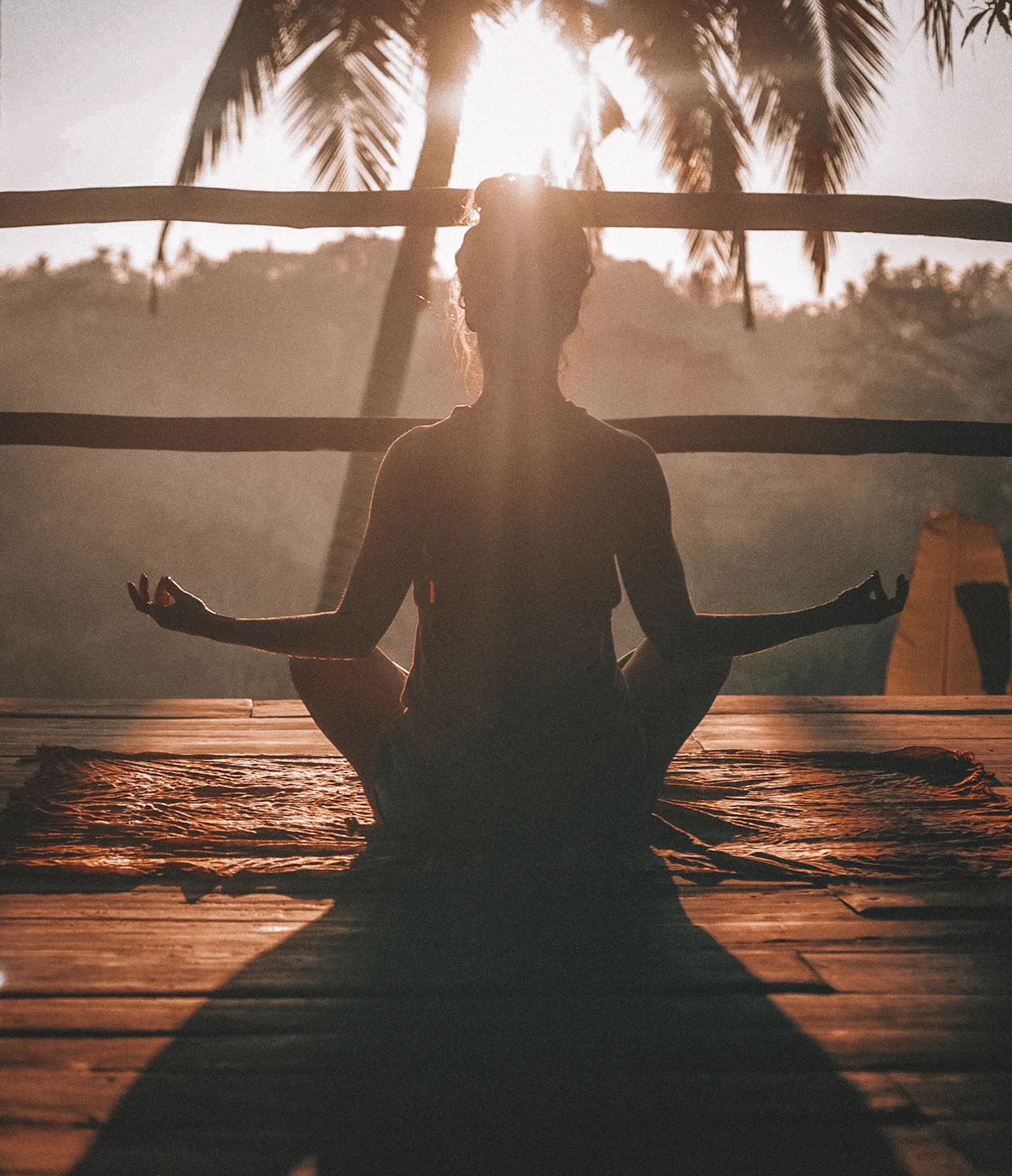
Most people hear the word "meditation" and picture a monk sitting cross-legged on a mountaintop for hours. The reality is far simpler and far more accessible. Meditation and spiritual practice are not reserved for the devout or the disciplined elite. They are practical tools that anyone can use to navigate the chaos of modern life with more clarity, patience, and purpose.
Key Takeaways
- What Counts as Spiritual Practice?
- How Meditation Reduces Stress and Anxiety
- Sharper Focus and Better Decision-Making
- Improved Relationships and Emotional Intelligence
Research from institutions like Harvard Medical School and the National Institutes of Health has consistently shown that regular meditation physically changes the brain. Grey matter density increases in areas associated with memory, empathy, and stress regulation. Cortisol levels drop. Sleep quality improves. These are not abstract spiritual promises — they are measurable, repeatable outcomes.
What Counts as Spiritual Practice?
Spiritual practice is broader than most people realize. It does not require religious affiliation or any specific belief system. At its core, spiritual practice is any intentional activity that connects you to something larger than your day-to-day worries and helps you cultivate inner awareness.
Common Forms of Spiritual Practice
- Mindfulness meditation — Sitting quietly and observing your breath or thoughts without judgment
- Gratitude journaling — Writing down things you appreciate each day
- Walking meditation — Bringing full awareness to each step during a slow, deliberate walk
- Breathwork — Structured breathing techniques like box breathing or the Wim Hof method
- Prayer or contemplation — Reflective communication with a higher power or your own deeper self
- Yoga and tai chi — Movement-based practices that unite body and mind
- Nature immersion — Spending time in natural settings with full sensory awareness
The common thread is intentionality. Scrolling your phone in silence is not meditation. Sitting quietly for five minutes while noticing the rhythm of your breathing is.

How Meditation Reduces Stress and Anxiety
Stress is not just an emotional state — it is a physiological one. When you perceive a threat, your amygdala triggers the fight-or-flight response. Cortisol and adrenaline flood your bloodstream. Your heart rate spikes. Your muscles tense. This response evolved to save you from predators, but modern life triggers it dozens of times a day: traffic, deadlines, social media arguments, financial worries. For more on this, see 10 Meals You Can Cook in Under 30 Minutes That Are Actually Healthy.
Meditation directly interrupts this cycle. A 2023 study published in JAMA Internal Medicine found that mindfulness meditation was as effective as the antidepressant Lexapro for treating anxiety disorders. Participants who meditated for 45 minutes daily showed the same reduction in anxiety symptoms as those on medication — without any side effects.
The mechanism is straightforward. When you practice observing your thoughts without reacting to them, you train your prefrontal cortex to override the amygdala's alarm signals. Over time, you develop what psychologists call "the observer mind" — the ability to notice stress arising without being consumed by it.
A Simple Stress-Relief Meditation You Can Do Right Now
- Sit comfortably with your feet flat on the floor
- Close your eyes and take three deep breaths
- Breathe naturally and focus on the sensation of air entering and leaving your nostrils
- When your mind wanders (it will), gently bring attention back to your breath
- Continue for five minutes
That is the entire practice. No apps required. No special cushion. No incense. Just you and your breath.

Sharper Focus and Better Decision-Making
The modern attention span is under siege. Notifications, multitasking, and information overload fragment our ability to concentrate. A study from the University of California, Irvine found that after being interrupted, it takes an average of 23 minutes to fully regain focus on a task.
Meditation is essentially attention training. Every time you notice your mind has wandered and bring it back to your breath, you are doing a mental rep — like a bicep curl for your prefrontal cortex For more on this, see Ancient Spiritual Wisdom for Modern Stress and Anxiety.. Research from the University of Wisconsin-Madison shows that experienced meditators have significantly stronger sustained attention and are better at filtering out distractions.
This translates directly to better decision-making. When you are not reactive, you pause before responding. You consider options more carefully. You are less likely to make impulsive choices driven by emotion. Leaders at companies like Salesforce, Google, and LinkedIn have credited meditation practices with improving their strategic thinking.
Improved Relationships and Emotional Intelligence
Spiritual practice does not just change how you relate to yourself — it changes how you relate to others. Loving-kindness meditation, which involves mentally sending goodwill to yourself and others, has been shown to increase feelings of social connection and reduce implicit bias.
When you are less stressed and more self-aware, you listen better. You react less defensively. You approach conflicts with curiosity instead of hostility. Partners, friends, and colleagues of regular meditators frequently report noticing positive changes in communication and patience. For more on this, see African Union Summit Focuses on Continental Free Trade Progress.
Practical Steps for Better Relationships Through Practice
- Pause before reacting — Take one breath before responding during heated conversations
- Practice active listening — Give full attention when someone speaks, without planning your response
- Try loving-kindness meditation — Spend five minutes wishing well to someone you find difficult
- Express gratitude daily — Tell one person each day something specific you appreciate about them
Building a Sustainable Daily Practice
The biggest mistake people make with meditation is starting too ambitiously. They download an app, commit to 30 minutes a day, and quit within a week. Sustainability beats intensity every time.
The Two-Minute Rule
Start with two minutes a day. Literally. Set a timer, close your eyes, focus on your breath, and stop when the timer goes off. Do this every day for two weeks. Once the habit is established, gradually increase by one minute per week. Within three months, you will have a comfortable 15-minute daily practice that feels effortless because the neural pathways are already built.
Anchor It to an Existing Habit
Habit stacking is the most effective way to build consistency. Attach your meditation to something you already do every day:
- After your morning coffee is brewed but before you drink it
- Right after brushing your teeth at night
- During your lunch break, before eating
- Immediately after parking your car at work
The existing habit becomes a trigger. Over time, the sequence becomes automatic.
Physical Health Benefits You Might Not Expect
Beyond mental health, meditation has documented effects on physical well-being. Regular practitioners show lower blood pressure, reduced inflammation markers, and improved immune function. A study at Massachusetts General Hospital found that meditation activates genes related to energy metabolism, mitochondrial function, and insulin secretion while suppressing genes linked to inflammatory response.
Chronic pain sufferers also benefit significantly. Mindfulness-Based Stress Reduction (MBSR), developed by Jon Kabat-Zinn at the University of Massachusetts, has become a standard recommendation in pain management clinics worldwide. Patients report not that their pain disappears, but that their relationship to it changes — it becomes something they observe rather than something that controls them.
Getting Started: Your First Week
If you have read this far and want to begin, here is a simple seven-day plan:
- Day 1-2: Two minutes of breath-focused sitting meditation
- Day 3-4: Three minutes, adding a body scan (noticing sensations from head to toe)
- Day 5: Five minutes of mindfulness meditation
- Day 6: Five minutes of loving-kindness meditation
- Day 7: Five minutes of your preferred style, plus five minutes of gratitude journaling
No special equipment needed. No subscriptions. No guru. Just a quiet spot and a willi For more on this, see Aadhaar System: How India's Digital Identity Infrastructure Has Evolved.ngness to sit still for a few minutes.
Final Thoughts
Meditation and spiritual practice are not about escaping reality. They are about engaging with it more fully. When you train your mind to be present, everything improves — your stress tolerance, your focus, your relationships, and your physical health. The science is clear, the barrier to entry is nearly zero, and the only cost is a few minutes of your day. Start small, stay consistent, and let the results speak for themselves.
Related Articles on BlogVerdict
- Ancient Spiritual Wisdom for Modern Stress and Anxiety (Spirituality)
Summary Comparison
| Factor | Pros | Cons | Verdict |
|---|---|---|---|
| Cost | Various options | Premium can be expensive | Good value overall |
| Quality | High standard | Varies by provider | Research recommended |
| Accessibility | Widely available | Regional differences | Improving steadily |
| Support | Community + official | Response times vary | Adequate for most |
Related Reading on BlogVerdict
Explore more on this topic:
- African Union Summit Focuses on Continental Free Trade Progress
- 10 Meals You Can Cook in Under 30 Minutes That Are Actually Healthy
- Ancient Spiritual Wisdom for Modern Stress and Anxiety
- Aadhaar System: How India's Digital Identity Infrastructure Has Evolved
- African Wildlife Conservation Efforts Show Promising Results
Frequently Asked Questions
What is the main point from this article?
The most important insight is that understanding the fundamentals and staying informed about developments in this area can help you make better decisions and stay ahead of important changes.
Where can I learn more about this topic?
We recommend exploring the linked resources throughout this article, following authoritative sources in this field, and checking BlogVerdict regularly for updated coverage and analysis.