Extreme weather is no longer an occasional headline. It has become a persistent feature of life across the globe, affecting every continent, every economy, and billions of people. The data is unambiguous: extreme weather events are increasing in frequency, intensity, and cost. In 2025 alone, weather-related disasters caused over 300 billion dollars in damages worldwide, and the trend shows no sign of reversing.
Key Takeaways
- The Heat Crisis
- Flooding: More Water, Faster
- Drought and Water Scarcity
- Wildfires: A New Normal
This is not a future problem to worry about someday. It is a present reality that is reshaping where people live, how they work, what they eat, and how governments allocate resources. Understanding these changes is essential for making informed decisions about your own life and for engaging meaningfully in public conversations about climate adaptation.

The Heat Crisis
Heat is the deadliest weather hazard in many countries, killing more people annually than hurricanes, tornadoes, floods, and lightning combined. And it is getting worse. Each of the last ten years has ranked among the hottest on record globally, and extreme heat events are occurring more frequently, lasting longer, and reaching higher temperatures.
The human body has a hard upper limit for heat tolerance. When wet-bulb temperature, a measure that combines heat and humidity, exceeds approximately 35 degrees Celsius, the human body can no longer cool itself through sweating, and death can occur within hours even for healthy individuals in shade with unlimited water. Regions of South Asia, the Middle East, and sub-Saharan Africa are approaching these thresholds during their hottest periods. For more on this, see African Union Summit Focuses on Continental Free Trade Progress.
Cascading Effects of Extreme Heat
The impacts of extreme heat extend far beyond direct health effects:
- Agricultural losses: Heat stress during critical growth periods can devastate crop yields. Wheat, rice, and corn all experience significant yield declines when temperatures exceed optimal ranges. India''s 2022 heat wave destroyed millions of tons of wheat production, contributing to global food price spikes.
- Power grid strain: Air conditioning demand surges during heat waves, pushing electrical grids to their limits. Rolling blackouts during extreme heat create dangerous situations, particularly for elderly and medically vulnerable populations.
- Labor productivity: Outdoor workers, including construction, agriculture, and delivery workers, cannot safely work during extreme heat. The International Labour Organization estimates that heat stress already reduces global working hours equivalent to 80 million full-time jobs annually.
- Infrastructure damage: Roads buckle, rail lines warp, and bridges stress under extreme heat. The thermal limits of infrastructure designed for historical temperature ranges are being exceeded with increasing regularity.
Flooding: More Water, Faster
Warmer air holds approximately 7 percent more moisture for every degree Celsius of warming. This basic physics translates directly into heavier rainfall events. Across the globe, extreme precipitation events are intensifying, producing more rain in shorter periods and overwhelming drainage systems, rivers, and flood defenses designed for historical rainfall patterns.
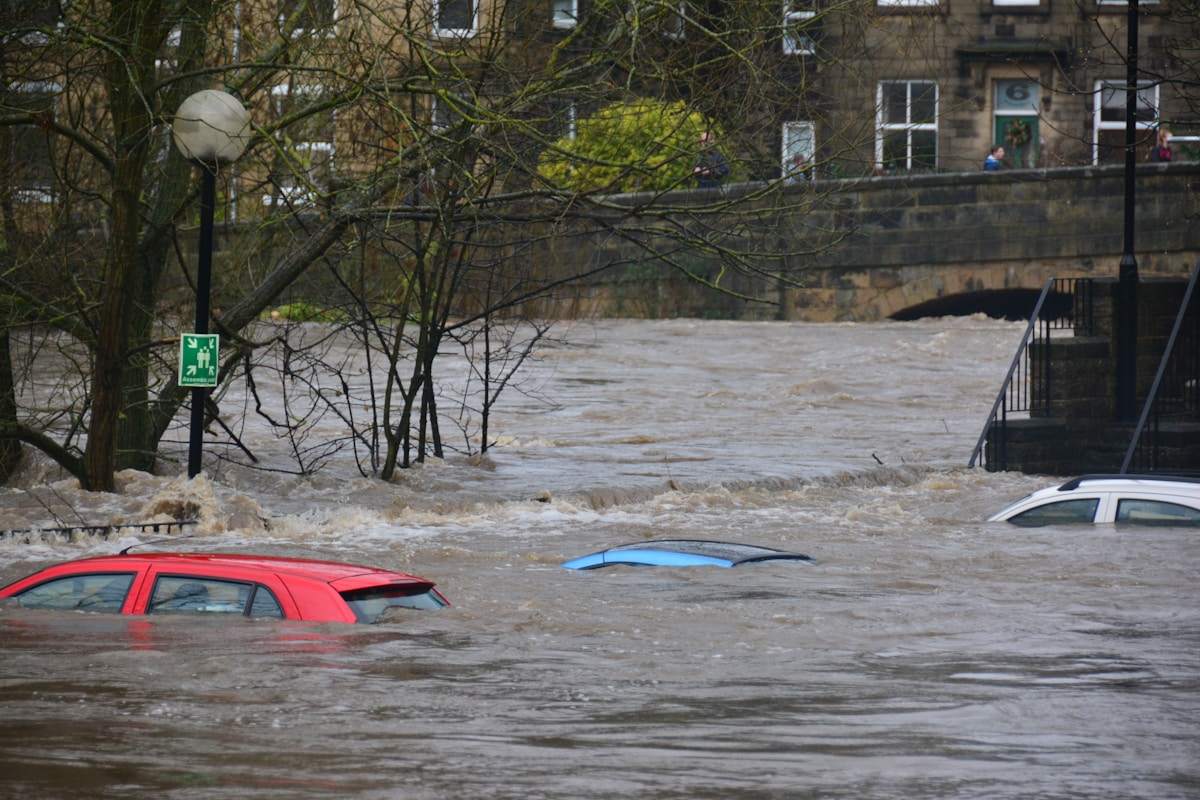
Urban flooding has become particularly acute. Cities concentrate rainfall onto impervious surfaces like concrete and asphalt, which cannot absorb water the way natural landscapes do. Storm drainage systems in most cities were engineered for rainfall intensities that no longer represent reality. The result is flash flooding that inundates streets, homes, subway systems, and commercial areas with devastating speed.
Sea Level Rise and Coastal Flooding
Coastal communities face a compounding threat. Global sea levels have risen by approximately 20 centimeters since 1900, with the rate of rise accelerating. This means that storm surges from hurricanes and nor''easters push water further inland, high tides reach higher, and nuisance flooding during clear weather is becoming routine in many coastal cities. For more on this, see The Biggest Weather Patterns and Storm Risks to Watch.
Miami, Jakarta, Mumbai, Shanghai, and dozens of other major coastal cities face existential long-term challenges from sea level rise. Some communities are already retreating from the coast. The concept of managed retreat, systematically relocating people and infrastructure away from untenable coastal positions, is moving from academic theory to practical policy in several countries.
Drought and Water Scarcity
While some regions experience too much water, others face the opposite crisis. Prolonged droughts are intensifying across the western United States, the Mediterranean, East Africa, and large parts of South America. Higher temperatures increase evaporation from soil and water bodies, which means droughts develop faster and become more severe even when precipitation does not decline significantly.
The Colorado River, which supplies water to 40 million people across seven US states and Mexico, has seen its flow decline by approximately 20 percent since 2000. Lake Mead, the largest reservoir in the United States, dropped to historically low levels, triggering mandatory water cutbacks for multiple states. Similar crises are unfolding at lakes, rivers, and reservoirs around the world. For more on this, see AI in Healthcare: How Machine Learning Is Diagnosing Diseases Faster Than Doctors.
Agricultural Drought
Drought is devastating for agriculture. The US drought monitor regularly shows significant portions of the country in moderate to exceptional drought, threatening crop production and raising food prices. In the Horn of Africa, multi-year droughts have displaced millions of people and pushed For more on this, see 5 Habits That Separate Great Developers from Good Ones. communities into famine conditions.
Farmers are adapting by switching to more drought-resistant crops, adopting precision irrigation, and implementing soil conservation practices that improve water retention. But adaptation has limits, and some regions may become unsuitable for agriculture as water scarcity intensifies.
Wildfires: A New Normal
The global wildfire landscape has changed dramatically. Fire seasons are longer, fires burn hotter, and the area burned annually has increased across many regions. The combination of higher temperatures, lower humidity, and drought-stressed vegetation creates conditions where fires start more easily and spread faster.

The impacts extend well beyond the burn zone. Wildfire smoke degrades air quality over vast areas, causing respiratory and cardiovascular health problems for millions of people hundreds of miles from the nearest flame. The 2023 Canadian wildfire season sent smoke across the eastern United States, giving New York City its worst air quality on record and creating hazardous conditions across much of the continent.
Post-fire landscapes are also more vulnerable to flooding and landslides because burned soil becomes water-repellent, dramatically increasing runoff when rain falls on denuded slopes. This creates a cascading disaster cycle where fire and flood compound each other''s impacts.
Economic and Social Consequences
The economic toll of extreme weather is staggering and growing. Global insured losses from weather-related disasters have roughly doubled every decade since the 1980s, even after adjusting for inflation and increased property values. Uninsured losses, which are typically much larger, add to the burden.
Insurance markets are beginning to reflect this reality. In several US states, major insurers have stopped writing new homeowner policies in high-risk areas due to wildfire and hurricane exposure. This creates a cascading economic problem: without insurance, homes become nearly impossible to sell or mortgage, undermining property values and local tax bases.
Climate Migration
Extreme weather is already driving migration. The World Bank estimates that by 2050, as many as 216 million people could be forced to move within their own countries due to climate-related impacts including water scarcity, declining crop productivity, rising seas, and storm surge. This internal migration will strain receiving communities, alter demographics, and create new political pressures.
Adaptation: How Communities Are Responding
Despite the grim trends, communities around the world are implementing innovative adaptation strategies:
- Sponge cities: Cities like Copenhagen, Singapore, and several Chinese cities are redesigning urban infrastructure to absorb and manage heavy rainfall through green roofs, permeable pavement, rain gardens, and restored wetlands.
- Heat action plans: Cities like Ahmedabad, India, and Paris, France, have implemented comprehensive heat action plans that include early warning systems, cool shelters, and targeted outreach to vulnerable populations during heat events.
- Building codes: Updated building codes in hurricane and wildfire-prone areas require stronger construction methods, fire-resistant materials, and elevated foundations that dramatically reduce damage from extreme events.
- Early warning systems: Improved forecasting and rapid communication of warnings save lives. Investment in weather prediction infrastructure, particularly in developing countries, has high return on investment measured in lives saved and damage prevented.
- Nature-based solutions: Restoring mangroves, wetlands, and forests provides natural buffering against storms, floods, and erosion while also sequestering carbon and supporting biodiversity.
What Individuals Can Do
Adapting to extreme weather starts at the personal level. Know the specific risks in your area and take steps to prepare. Ensure your home is adequately insured and physically prepared for the hazards most likely to affect it. Build an emergency kit and have a plan for evacuation or sheltering in place.
Beyond personal preparedness, engage with your community. Support local adaptation investments, participate in planning processes, and advocate for policies that address the root causes of climate change while building resilience to its effects. The scale of the challenge is global, but the response begins with informed individuals making better decisions for themselves and their communities.
Extreme weather is not going away. The choices we make now, individually and collectively, will determine how well we weather the storms ahead.
Related Articles on BlogVerdict
Summary Comparison
| Factor | Pros | Cons | Verdict |
|---|---|---|---|
| Cost | Various options | Premium can be expensive | Good value overall |
| Quality | High standard | Varies by provider | Research recommended |
| Accessibility | Widely available | Regional differences | Improving steadily |
| Support | Community + official | Response times vary | Adequate for most |
Related Reading on BlogVerdict
Explore more on this topic:
- AI in Healthcare: How Machine Learning Is Diagnosing Diseases Faster Than Doctors
- The Biggest Weather Patterns and Storm Risks to Watch
- 5 Habits That Separate Great Developers from Good Ones
- African Union Summit Focuses on Continental Free Trade Progress
Frequently Asked Questions
What are the main factors driving this trend?
The convergence of technological innovation, shifting consumer expectations, economic pressures, and regulatory changes are all contributing to this transformation. Each factor reinforces the others, creating momentum.
How will this affect everyday people?
The effects will vary by region and demographic, but most people will experience meaningful changes in how they work, consume, and interact with technology over the next 3-5 years.