The global food system is at a crossroads. Agriculture accounts for approximately 26 percent of global greenhouse gas emissions, uses 70 percent of the world''s freshwater, and occupies nearly 40 percent of habitable land. Yet despite this enormous resource footprint, roughly 735 million people experienced chronic hunger in 2022, and the number has been rising. Something fundamental needs to change, and across the world, innovators, scientists, farmers, and policymakers are working on solutions that could reshape how humanity feeds itself.
Key Takeaways
- Vertical Farming: Growing Up Instead of Out
- Alternative Proteins: Beyond Traditional Livestock
- Regenerative Agriculture: Healing the Land
- Reducing Food Waste: The Hidden Opportunity
The future of food is not about a single breakthrough. It is about a constellation of innovations working together: new growing methods, alternative proteins, smarter supply chains, reduced waste, and regenerative farming practices that restore rather than deplete the land. Let us explore the most promising directions.
Vertical Farming: Growing Up Instead of Out
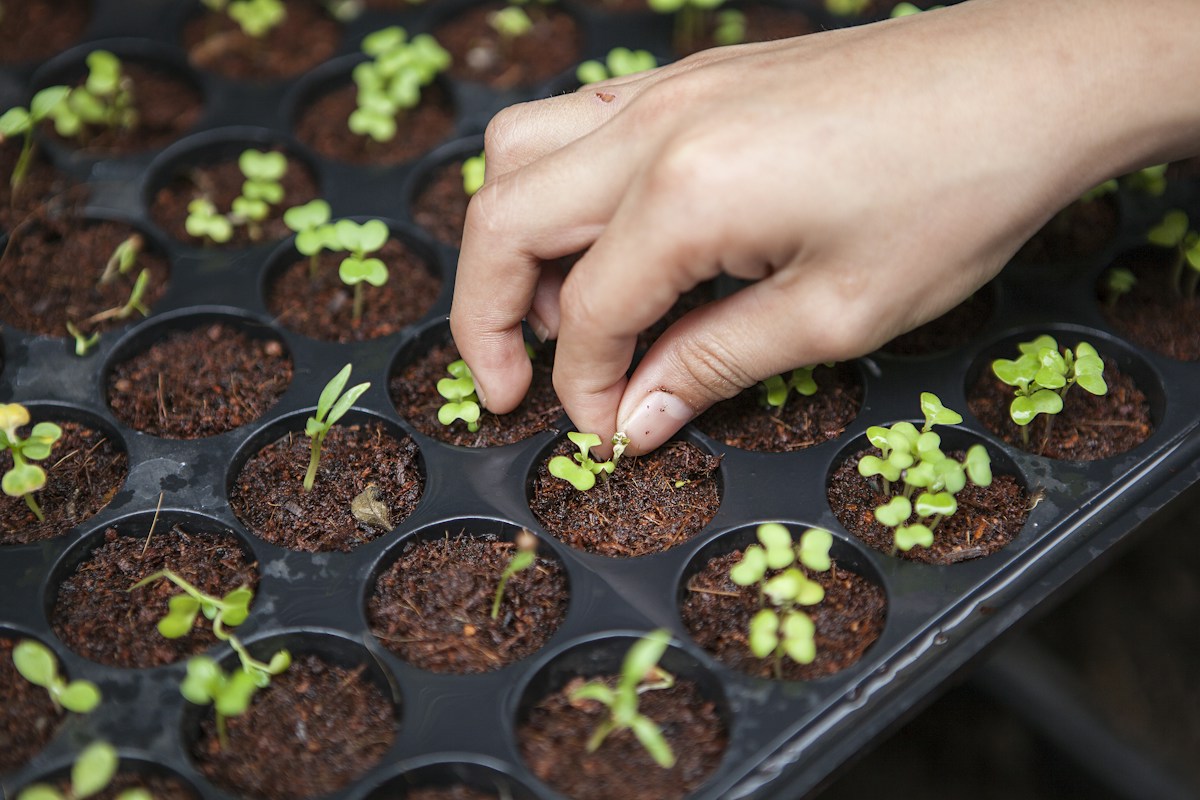
Vertical farms grow crops in stacked layers inside controlled-environment buildings, using LED lighting, hydroponic or aeroponic systems, and precise climate control. The concept has moved well beyond the experimental stage. Commercial vertical farms now operate in dozens of countries, producing leafy greens, herbs, strawberries, and an expanding range of crops.
The advantages are compelling. Vertical farms use up to 95 percent less water than conventional agriculture because water is recirculated in closed-loop systems. They require no pesticides because the controlled environment excludes pests. They can operate year-round regardless of weather, and they can be located near urban population centers, dramatically reducing transportation distances and the associated emissions and food waste.
The Economics Challenge
The primary obstacle for vertical farming has been cost. The energy required for LED lighting and climate control is substantial, and construction costs for purpose-built facilities are high. However, the economics are improving rapidly. LED efficiency has increased by more than 50 percent over the past five years, renewable energy costs continue to fall, and automation is reducing labor expenses.
In 2026, the most successful vertical farms focus on high-value crops where freshness commands a premium: leafy greens, herbs, berries, and microgreens. As energy costs decrease and growing techniqu For more on this, see How Modern Farming Is Changing With Technology and AI.es improve, the range of economically viable crops will expand. Some researchers are already growing tomatoes, peppers, and even wheat in vertical systems.
Alternative Proteins: Beyond Traditional Livestock
Livestock farming is one of the largest contributors to agricultural emissions, deforestation, and water pollution. Producing one kilogram of beef requires approximately 15,000 liters of water and generates 27 kilograms of CO2 equivalent. Alternative proteins offer pathways to producing protein with dramatically lower environmental impact.
Plant-Based Proteins
The plant-based meat industry has matured significantly. Early products focused on replicating the taste and texture of ground beef, but the current generation includes convincing alternatives for chicken, pork, seafood, and even whole-cut steaks. Companies are using fermentation, extrusion technology, and food science to create products that satisfy even skeptical meat-eaters.
The market has evolved beyond novelty. Plant-based options are now standard in major fast-food chains, grocery stores, and school cafeterias worldwide. Price parity with conventional meat is approaching in several categories, which will accelerate adoption significantly.

Cultivated Meat
Cultivated meat, grown from animal cells in bioreactors, represents perhaps the most radical change in food production since the domestication of livestock. Instead of raising and slaughtering animals, you take a small cell sample, place it in a nutrient-rich medium, and grow muscle tissue directly. The resulting product is genuine meat at the cellular level, not a plant-based imitation.
Singapore approved the sale of cultivated meat in 2020, and several other countries have followed. The primary challenge remains cost. Early cultivated meat products were prohibitively expensive, but costs have fallen by orders of magnitude and continue to decline as production processes scale. Analysts project that cultivated meat could reach price parity with conventional meat for certain products within the next five to ten years.
Precision Fermentation
Precision fermentation uses microorganisms like yeast and bacteria to produce specific proteins, fats, and other molecules traditionally derived from animals. This technology is already commercial for some applications: animal-free dairy proteins, collagen, egg whites, and other ingredients are being produced at scale through fermentation.
The potential is vast. Precision fermentation could produce dairy without cows, eggs without chickens, and even specific animal fats that give foods their characteristic flavor and texture, all with a fraction of the environmental footprint of animal agriculture.
Regenerative Agriculture: Healing the Land
While new technologies offer exciting possibilities, some of the most promising developments in sustainable agriculture involve returning to older principles, enhanced by modern understanding. Regenerative agriculture aims to go beyond sustainability (maintaining the current state) to actually restore degraded soil, increase biodiversity, and sequester carbon.
Key Regenerative Practices
- Cover cropping: Planting crops between harvest seasons to prevent erosion, suppress weeds, fix nitrogen, and add organic matter to the soil. Research consistently shows that cover crops improve soil health and can increase yields of subsequent cash crops.
- No-till or minimal tillage: Reducing soil disturbance preserves soil structure, protects microbial communities, retains moisture, and prevents carbon from being released into the atmosphere.
- Crop rotation and diversification: Growing different crops in sequence breaks pest and disease cycles, improves soil nutrient balance, and reduces dependence on synthetic inputs.
- Integrated livestock management: Rotating livestock through pastures mimics natural grazing patterns, stimulating grass growth, improving soil biology, and distributing manure as natural fertilizer.
- Agroforestry: Integrating trees with crops and livestock creates more resilient farming systems. Trees provide shade, windbreaks, habitat for beneficial insects, and additional income streams from timber, fruit, or nuts.
Reducing Food Waste: The Hidden Opportunity
Approximately one-third of all food produced globally is lost or wasted between farm and fork. In terms of emissions, if food waste were a country, it would be the third-largest emitter of greenhouse gases after the United States and China. Reducing waste is one of the most impactful and cost-effective ways to improve the food system.
Technology is making meaningful contributions. AI-powered demand forecasting helps retailers order more accurately, reducing overstocking. Smart packaging with freshness sensors extends shelf life and informs consumers about actual food quality rather than arbitrary expiration dates. Surplus food redistribution platforms connect businesses with excess food to charities and consumers willing to buy discounted items.
At the consumer level, awareness is growing but behavior change remains slow. Simple practices like meal planning, proper food storage, understanding the difference between best-before and use-by dates, and composting unavoidable waste can collectively make a substantial difference.
Water-Smart Agriculture
Freshwater scarcity is one of the most pressing challenges facing global agriculture. Many of the world''s most productive agricultural regions depend on groundwater that is being depleted far faster than natural recharge rates. The Ogallala Aquifer in the central United States, the North China Plain aquifer, and aquifers across India and the Middle East are all under severe stress.
Solutions are emerging on multiple fronts. Drip irrigation, which delivers water directly to plant roots, can reduce water use by 30 to 60 percent compared to flood irrigation. Soil moisture sensors and weather-based irrigation scheduling ensure that water is applied only when and where crops need it. Drought-resistant crop varieties developed through conventional breeding and genetic techniques are expanding the range of viable agriculture in water-scarce regions.
The Role of Policy and Consumer Choice
Technology alone cannot transform the food system. Policy frameworks need to evolve to support sustainable practices. Agricul For more on this, see 5 Habits That Separate Great Developers from Good Ones.tural subsidies in many countries still incentivize overproduction of commodity crops and the use of practices that degrade soil and water resources. Redirecting these subsidies toward regenerative practices, sustainable intensification, and support for smallholder farmers would accelerate the transition.
Consumer choices matter too. Shifting even a modest portion of protein consumption from animal to plant-based sources has measurable environmental benefits. Supporting local food systems, reducing personal food waste, and choosing sustainably produced products all send market signals that drive industry behavior.
A Realistic Path Forward
The future of food will not involve a single silver bullet. It will be a mosaic of solutions adapted to local conditions, cultures, and resources. Vertical farms may feed dense cities while regenerative practices restore degraded farmland. Alternative proteins may reduce demand for industrial livestock while sustainable animal farming continues to play a role in appropriate landscapes. Technology will enhance efficiency while traditional knowledge preserves biodiversity and resilience.
The opportunity is real. For the first time in history, we have the knowledge and tools to feed everyone on Earth witho For more on this, see Aadhaar System: How India's Digital Identity Infrastructure Has Evolved.ut destroying the ecosystems we depend on. The question is whether we have the collective will to deploy them at the scale and speed the situation demands.
Related Articles on BlogVerdict
- How Modern Farming Is Changing With Technology and AI (Agriculture)
Summary Comparison
| Factor | Pros | Cons | Verdict |
|---|---|---|---|
| Cost | Various options | Premium can be expensive | Good value overall |
| Quality | High standard | Varies by provider | Research recommended |
| Accessibility | Widely available | Regional differences | Improving steadily |
| Support | Community + official | Response times vary | Adequate for most |
Related Reading on BlogVerdict
Explore more on this topic:
- Aadhaar System: How India's Digital Identity Infrastructure Has Evolved
- How Modern Farming Is Changing With Technology and AI
- 5 Habits That Separate Great Developers from Good Ones
- African Wildlife Conservation Efforts Show Promising Results
Frequently Asked Questions
What are the main factors driving this trend?
The convergence of technological innovation, shifting consumer expectations, economic pressures, and regulatory changes are all contributing to this transformation. Each factor reinforces the others, creating momentum.
How will this affect everyday people?
The effects will vary by region and demographic, but most people will experience meaningful changes in how they work, consume, and interact with technology over the next 3-5 years.