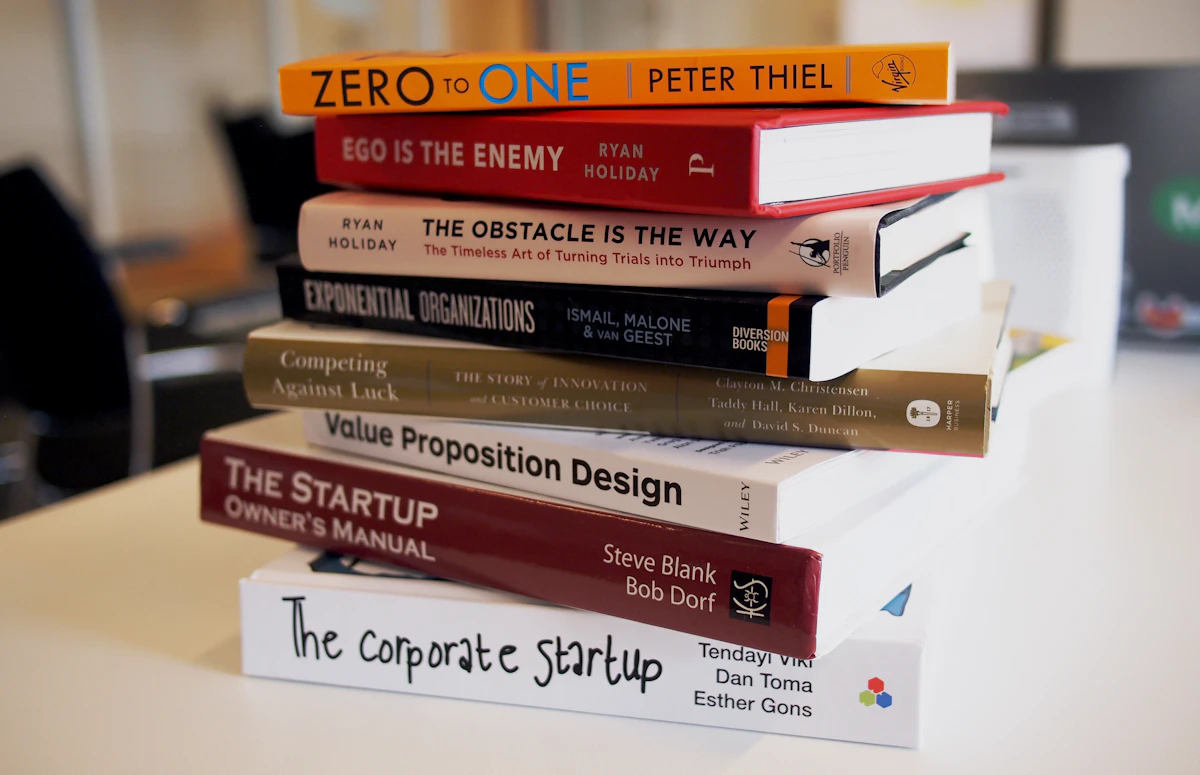

Investing can feel overwhelming when you are starting from zero. The financial world is full of jargon, conflicting advice, and seemingly complex products designed to confuse newcomers. But here is the truth: getting started with investing is simpler than most people think, and the single most important factor in building wealth is not picking the perfect stock — it is starting early and staying consistent.
Key Takeaways
- Step 1: Understand Why You Should Invest
- Step 2: Get Your Financial Foundation in Order
- Step 3: Learn the Core Investment Types
- Step 4: Determine Your Risk Tolerance
This guide walks you through everything you need to know to begin investing with confidence, even if you have never bought a single share in your life. We will cover the foundational concepts, practical steps to open your first account, and strategies that have consistently built wealth for millions of ordinary people.
Step 1: Understand Why You Should Invest
Before diving into the how, it is important to understand the why. Keeping your money in a savings account feels safe, but inflation erodes its purchasing power over time. At a 3% annual inflation rate, $10,000 in a savings account will have the purchasing power of roughly $7,400 after ten years.
Investing in the stock market, on the other hand, has historically returned an average of 7-10% annually after inflation. This means your money is not just keeping pace with rising prices — it is genuinely growing. Over decades, compound returns transform modest regular contributions into substantial wealth.
The Power of Compound Returns
Consider this example: if you invest $300 per month starting at age 25 and earn an average 8% annual return, you will have approximately $1,006,000 by age 65. If you wait until age 35 to start the same investment, you will have only $440,000. That ten-year delay costs you more than half a million dollars — not because you contributed less, but because your money had less time to compound.
Step 2: Get Your Financial Foundation in Order

Before investing a single dollar, make sure these financial basics are covered:
- Pay off high-interest debt first. Credit card debt charging 20%+ interest will almost certainly outpace any investment returns. Prioritize paying this off before investing.
- Build a starter emergency fund. Have at least $1,000 set aside for unexpected expenses. You do not need a full 3-6 month fund before investing, but you need enough to avoid going back into debt.
- Ensure you have stable income. Investing works best when you can commit to consistent contributions. Do not invest money you might need within the next 3-5 years.
Step 3: Learn the Core Investment Types
You do not need to understand every financial product on the market. Here are the four types that matter most for beginners:
Stocks (Equities)
When you buy a stock, you are purchasing a small ownership stake in a company. If the company grows and profits increase, the stock price typically rises, and you may receive dividends. Stocks offer the highest long-term return potential but also the most short-term volatility.
Bonds (Fixed Income)
Bonds are essentially loans you make to a government or corporation. In return, they pay you regular interest payments and return your principal at maturity. Bonds are generally less volatile than stocks but offer lower returns.
Index Funds
Index funds are collections of stocks or bonds that track a specific market index, such as the S&P 500. Instead of picking individual companies, you own a tiny piece of hundreds or thousands of companies at once. This provides instant diversification at extremely low cost.
ETFs (Exchange-Traded Funds)
ETFs are similar to index funds but trade on stock exchanges like individual stocks. They offer the same diversification benefits with the added flexibility of being buyable and sellable throughout the trading day.
Step 4: Determine Your Risk Tolerance
Risk tolerance describes how much portfolio volatility you can handle without panicking and selling at the worst possible time. Your ideal asset allocation depends on two factors:
- Time horizon: The longer until you need the money, the more risk you can afford. A 30-year-old saving for retirement can tolerate more volatility than someone five years from retirement.
- Emotional temperament: Be honest with yourself. If a 30% portfolio drop would cause you to sell everything and move to cash, you need a more conservative allocation regardless of your age.
General Age-Based Guidelines
- 20s-30s: 80-90% stocks, 10-20% bonds
- 40s: 70-80% stocks, 20-30% bonds
- 50s: 60-70% stocks, 30-40% bonds
- 60s+: 40-60% stocks, 40-60% bonds
Step 5: Choose a Brokerage Account

A brokerage account is where you buy and hold your investments. In 2026, several brokerages offer commission-free trading and excellent beginner resources:
Top Brokerages for Beginners
- Fidelity — Excellent research tools, zero-fee index funds, fractional shares, strong customer support. Best overall choice for beginners.
- Charles Schwab — Full-service brokerage with extensive educational resources and physical branch locations for in-person help.
- Vanguard — Pioneer of low-cost index investing. Best for long-term, buy-and-hold investors who want the lowest possible expense ratios.
- Robinhood — Most user-friendly app interface. Good for getting started quickly, though it lacks some advanced research tools.
Account Types to Know
- 401(k) — Employer-sponsored retirement account. If your employer offers a match, always contribute enough to get the full match first. That is an immediate 50-100% return on your investment.
- Traditional IRA — Tax-deductible contributions now, pay taxes on withdrawals in retirement. Good if you expect to be in a lower tax bracket in retirement.
- Roth IRA — Contribute after-tax dollars now, withdrawals in retirement are completely tax-free. Generally the best choice for younger investors.
- Taxable Brokerage — No tax advantages but also no contribution limits or withdrawal restrictions. Use this after maxing out tax-advantaged accounts.
Step 6: Build Your First Portfolio
For most beginners, a simple three-fund portfolio provides all the diversification you need:
- US Total Stock Market Index Fund — covers large, mid, and small US companies
- International Stock Market Index Fund — provides exposure to developed and emerging markets outside the US
- US Total Bond Market Index Fund — adds stability and income
A sample allocation for a 30-year-old might look like: 60% US stocks, 25% international stocks, 15% bonds. This single portfolio gives you exposure to thousands of companies across the globe with minimal fees.
The One-Fund Alternative
If even three funds feels complicated, consider a target-date fund. These funds automatically adjust their stock-to-bond ratio as you approach retirement. You simply pick the fund closest to your expected retirement year and contribute. It is truly set-and-forget investing.
Step 7: Set Up Automatic Contributions
The most effective investing strategy is also the simplest: set up automatic transfers from your bank account to your brokerage on a regular schedule. This approach, called dollar-cost averaging, removes emotion from the equation. You buy more shares when prices are low and fewer when prices are high, resulting in a favorable average purchase price over time.
Start with whatever amount you can consistently afford — even $50 per month. The amount matters far less than the consistency. You can always increase your contributions as your income grows.
Step 8: Stay the Course
This is simultaneously the simplest and hardest step. Markets will drop. Your portfolio will lose value temporarily. Financial media will scream about crashes and recessions. Your job is to ignore all of it and keep investing on schedule.
Historically, every single market crash has been followed by a recovery to new highs. Investors who panic-sell during downturns lock in their losses, while those who continue investing buy shares at discounted prices.
Common Beginner Mistakes to Avoid
- Trying to time the market. Waiting for the "right time" to invest means missing out on returns. Time in the market beats timing the market.
- Chasing hot stocks or trends. By the time you hear about a stock on social media, the opportunity has usually passed. Stick to index funds.
- Checking your portfolio daily. Frequent checking leads to emotional decision-making. Check quarterly at most.
- Paying high fees. Every 1% in annual fees reduces your ending portfolio by roughly 25% over 30 years. Choose low-cost index funds with expense ratios below 0.20%.
- Not starting because you think you need more money. Starting with $50/month at age 25 is better than starting with $500/month at age 35.
The Bottom Line
Investing does not require a finance degree, a large lump sum, or perfect market timing. It requires opening an account, choosing a simple diversified portfolio, setting up automatic contributions, and having the patience to let compound returns work over decades. The best time to start was yesterday. The second best time is today.
Related Articles on BlogVerdict
- Best Credit Cards for Beginners: Top 10 Picks for 2026 (Finance)
- How to Build an Emergency Fund Fast: Step-by-Step Guide (Finance)
- Best Side Hustles You Can Start From Home in 2026 (Finance)
- The Complete Guide to Remote Work Productivity in 2026 (Business)
- How to Build a Passive Income Portfolio in 2026: A Practical Guide (Business)
Risk and Return Overview
| Strategy | Risk Level | Time Horizon | Best For |
|---|---|---|---|
| Conservative | Low | Long-term | Capital preservation |
| Balanced | Medium | Medium-term | Steady growth |
| Aggressive | High | Short-term | High returns |
Frequently Asked Questions
How long does it take to see results?
Results vary depending on individual circumstances and consistency. Most people see meaningful progress within 2-4 weeks of dedicated effort, with more significant changes appearing over 2-3 months.
Do I need prior experience to get started?
No prior experience is necessary. This guide is designed for beginners and experienced practitioners alike. Start with the fundamentals and build your skills progressively.