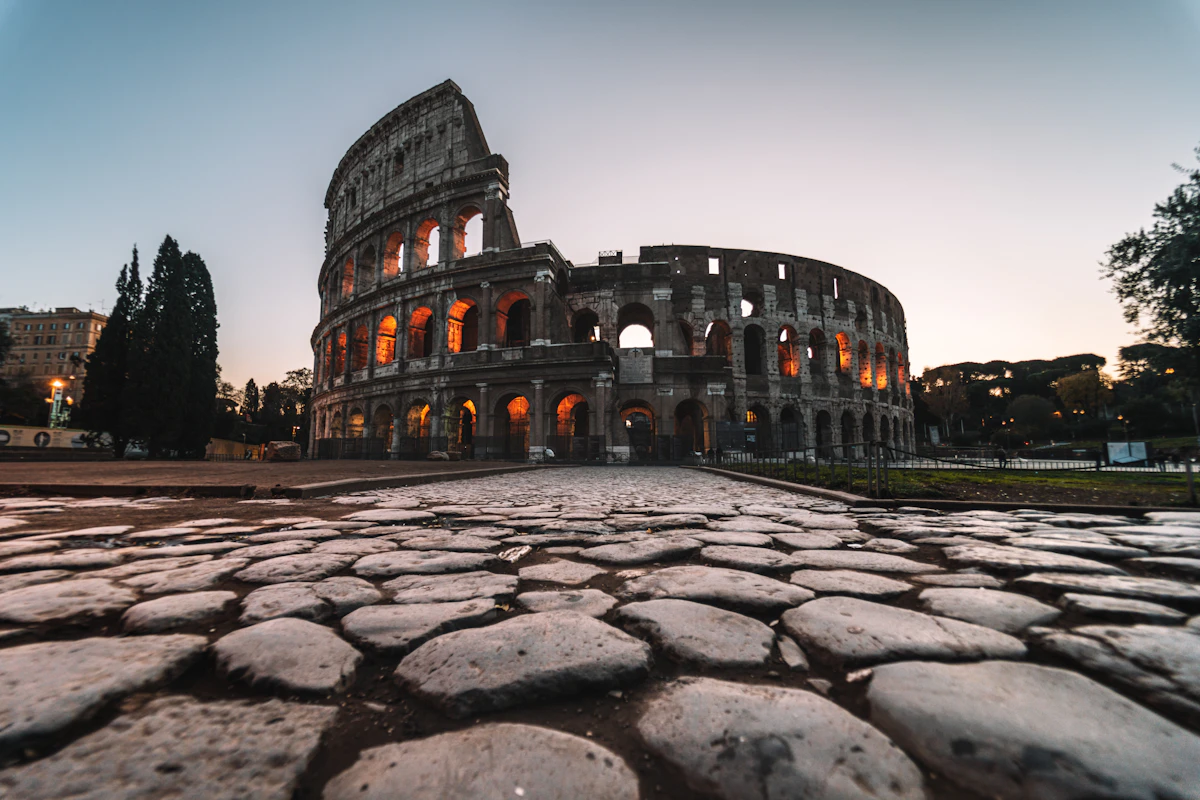
History Is Not the Past
There is a common misconception that history is something that happened long ago and has little bearing on the present. Nothing could be further from the truth. The political boundaries on today''s maps, the economic systems that determine global prosperity and poverty, the cultural tensions that drive contemporary conflicts, and the institutions that govern international relations are all direct products of historical events whose consequences continue to unfold.
Key Takeaways
- History Is Not the Past
- The Fall of the Roman Empire and the Shape of Europe
- The Columbian Exchange and Global Interconnection
- The Industrial Revolution and Modern Life
Understanding these pivotal moments is not an academic exercise. It is essential context for making sense of the world we live in. The events explored here were chosen not just for their historical significance, but for the directness and intensity of their ongoing influence on contemporary life.
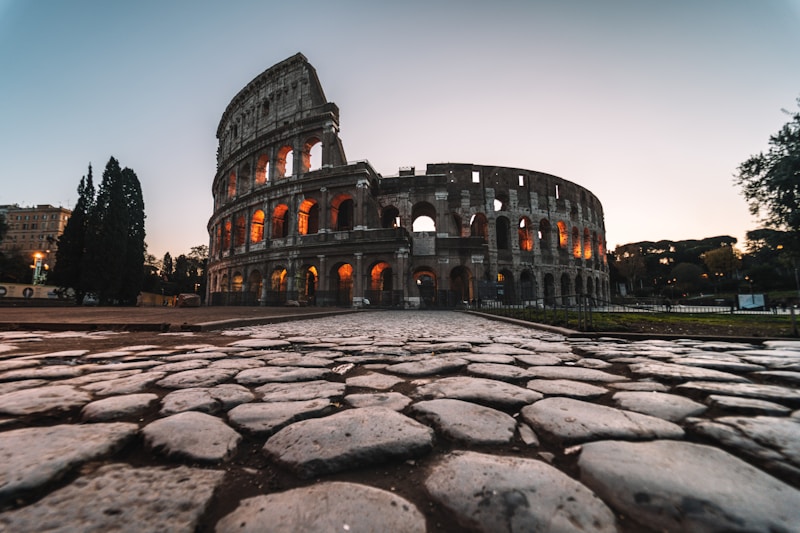
The Fall of the Roman Empire and the Shape of Europe
The collapse of the Western Roman Empire in the fifth century did not simply end an ancient civilization. It created the political and cultural conditions that would eventually produce modern Europe. The fragmentation of Roman territory into smaller kingdoms laid the groundwork for the nation-state system that still defines European politics today.
The linguistic legacy alone is staggering. French, Spanish, Italian, Portuguese, and Romanian are all direct descendants of Latin, the language of Rome. English, though Germanic in origin, derives roughly sixty percent of its vocabulary from Latin and French. Every time you speak, you are using sounds and structures shaped by a civilization that fell over fifteen hundred years ago. For more on this, see Lessons From History That Matter More Than Ever Today.
Institutional Inheritance
Roman legal principles underpin the legal systems of most Western nations. Concepts like innocent until proven guilty, the right to a fair trial, and the distinction between civil and criminal law all have Roman origins. The Catholic Church, which became the primary institutional successor to Rom For more on this, see 10 Big Ideas That Could Change the Future.an authority in Western Europe, shaped European culture, education, and politics for over a millennium, and its influence remains profound today.
Even the physical infrastructure of Europe bears Rome''s imprint. Many of Europe''s major cities began as Roman settlements, and the road networks that Romans built determined patterns of trade and communication that influenced urban development for centuries afterward.
The Columbian Exchange and Global Interconnection
When European ships first reached the Americas in 1492, they initiated the most consequential biological and cultural exchange in human history. The Columbian Exchange, as historians call it, transformed ecosystems, diets, demographics, and economies on every inhabited continent.

The agricultural impact alone reshaped civilization. Potatoes from South America became a dietary staple that fueled population growth across Europe. Tomatoes transformed Mediterranean cuisine. Corn, cacao, tobacco, and rubber all originated in the Americas and became globally significant commodities. In the other direction, wheat, rice, sugarcane, horses, and cattle transformed the American continents.
The Devastating Cost
The Columbian Exchange also carried devastating consequences. European diseases, to which Indigenous populations had no immunity, caused catastrophic depopulation across the Americas. Estimates suggest that up to ninety percent of the Indigenous population perished within the first century of contact, a demographic catastrophe that reshaped both continents and whose social and political consequences persist today.
The transatlantic slave trade, which the colonial economy demanded and sustained, forcibly transported millions of Africans to the Americas, creating a legacy of racial inequality that remains one of the most pressing social and political issues in the Western Hemisphere. The economic structures built on enslaved labor shaped patterns of wealth and poverty that are still visible in global economic data.
The Industrial Revolution and Modern Life
Beginning in Britain in the late eighteenth century and spreading globally over the following century, the Industrial Revolution transformed human existence more thoroughly than any development since the invention of agriculture. Virtually every aspect of modern life, from how we work to how we live to how long we live, is a product of industrialization.
Before the Industrial Revolution, the vast majority of humans lived in rural areas, worked in agriculture, and experienced material conditions that had remained largely unchanged for centuries. Within a few generations, industrialization created cities, factories, railways, and mass production systems that remade the physical and social landscape.
Ongoing Consequences
The Industrial Revolution''s consequences extend far beyond economics. Urbanization, which industrialization drove, continues to reshape societies worldwide, with the majority of the global population now living in cities for the first time in human history. The fossil fuel economy that powered industrialization created the climate crisis that now represents one of humanity''s most urgent challenges. For more on this, see 10 Meals You Can Cook in Under 30 Minutes That Are Actually Healthy.
The political ideologies that dominate contemporary politics, including capitalism, socialism, liberalism, and conservatism, all emerged as responses to the social conditions created by industrialization. The labor movements, welfare states, and regulatory frameworks that shape modern governance are direct products of the conflicts and negotiations that industrialization provoked.

The World Wars and the Modern Order
The two World Wars of the twentieth century, often described by historians as a single conflict with a twenty-year intermission, destroyed the old European-dominated world order and created the international system that, in modified form, still governs global affairs today.
The United Nations, the International Monetary Fund, the World Bank, NATO, and the European Union all emerged from the wreckage of the World Wars. The Universal Declaration of Human Rights, adopted in 1948, established principles that, however imperfectly observed, provide the normative framework for international law and diplomacy.
Decolonization and Its Legacy
The World Wars fatally weakened the European colonial empires, triggering a wave of decolonization that created dozens of new nations across Africa, Asia, and the Middle East. Many of the borders drawn by departing colonial powers created states that grouped together diverse ethnic, linguistic, and religious communities, sowing the seeds of conflicts that continue today.
The Cold War that followed, pitting the United States against the Soviet Union, shaped global politics for four decades and continues to influence international relations. Military alliances formed during the Cold War remain active. Nuclear arsenals built during the arms race still threaten humanity''s existence. And the ideological competition between capitalism and communism continues to inform political debates worldwide. For more on this, see Aadhaar System: How India's Digital Identity Infrastructure Has Evolved.
The Digital Revolution
The development of digital computing, the internet, and mobile technology represents the most recent historical event whose consequences are still rapidly unfolding. Beginning in the mid-twentieth century and accelerating dramatically since the 1990s, the digital revolution has transformed communication, commerce, politics, warfare, and virtually every other domain of human activity.
The speed and depth of this transformation are historically unprecedented. More information is now created in a single day than existed in the entirety of human history before the digital age. The ability to com For more on this, see ASEAN Nations Strengthen Regional Cooperation Agreement.municate instantly with anyone, anywhere, has changed everything from how revolutions are organized to how people find romantic partners.
Why This Matters Now
These historical events are not merely interesting stories from the past. They are the foundation upon which contemporary reality is built. Understanding them provides essential context for navigating current events, evaluating political arguments, and making informed decisions about the future. History does not repeat itself exactly, but it does reveal patterns, and those patterns are visible only to those who take the time to learn them.
Related Articles on BlogVerdict
Summary Comparison
| Factor | Pros | Cons | Verdict |
|---|---|---|---|
| Cost | Various options | Premium can be expensive | Good value overall |
| Quality | High standard | Varies by provider | Research recommended |
| Accessibility | Widely available | Regional differences | Improving steadily |
| Support | Community + official | Response times vary | Adequate for most |
Related Reading on BlogVerdict
Explore more on this topic:
- Aadhaar System: How India's Digital Identity Infrastructure Has Evolved
- 10 Meals You Can Cook in Under 30 Minutes That Are Actually Healthy
- Lessons From History That Matter More Than Ever Today
- 10 Big Ideas That Could Change the Future
- ASEAN Nations Strengthen Regional Cooperation Agreement
Frequently Asked Questions
What is the main point from this article?
The most important insight is that understanding the fundamentals and staying informed about developments in this area can help you make better decisions and stay ahead of important changes.
Where can I learn more about this topic?
We recommend exploring the linked resources throughout this article, following authoritative sources in this field, and checking BlogVerdict regularly for updated coverage and analysis.