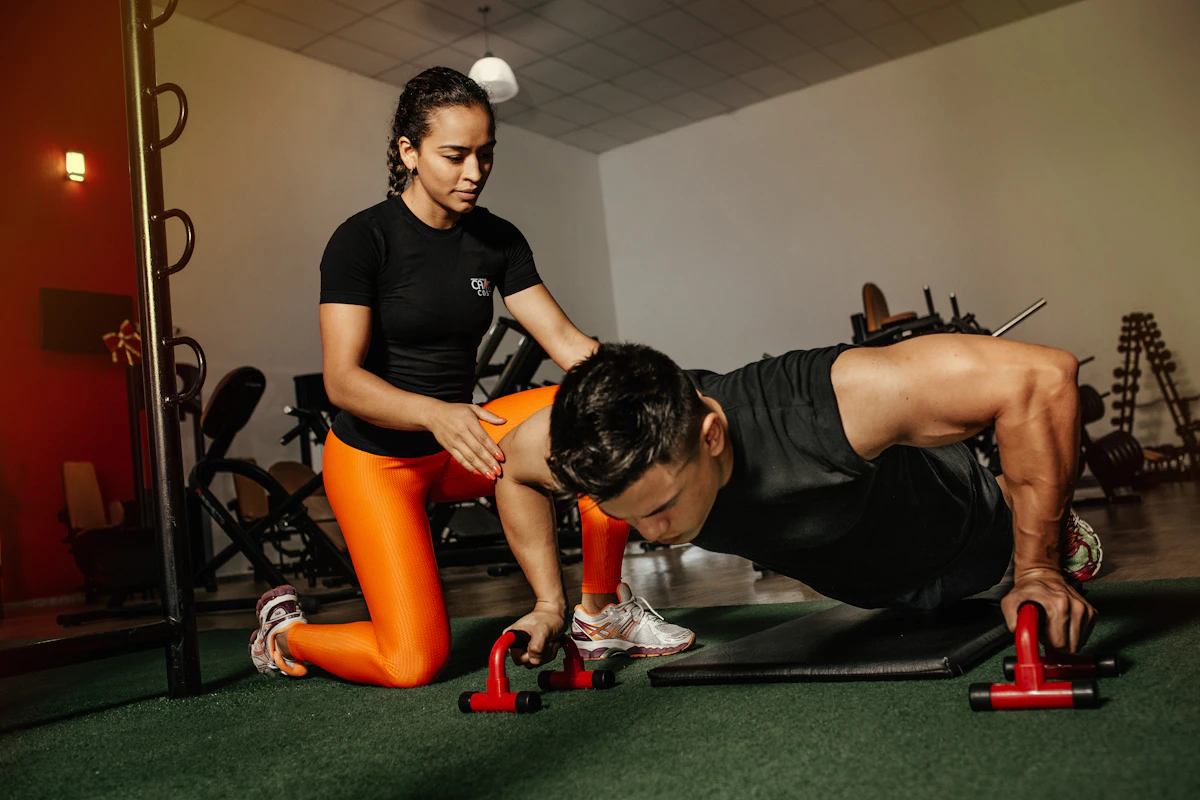
The fitness industry thrives on complexity. Influencers promote elaborate routines with obscure exercises. Supplement companies suggest that results require their products. Equipment manufacturers imply that you need a home gym. But the truth about getting fit as a beginner is much simpler: you need a basic plan, consistent effort, and the patience to let results accumulate over time.
Key Takeaways
- Why Most Beginners Quit
- The Three Pillars of a Beginner Program
- A Complete Four-Week Beginner Plan
- Nutrition Basics for Beginners
This guide cuts through the noise and provides straightforward, evidence-based workout plans for beginners who want real, sustainable results rather than quick fixes that fizzle out.
Why Most Beginners Quit
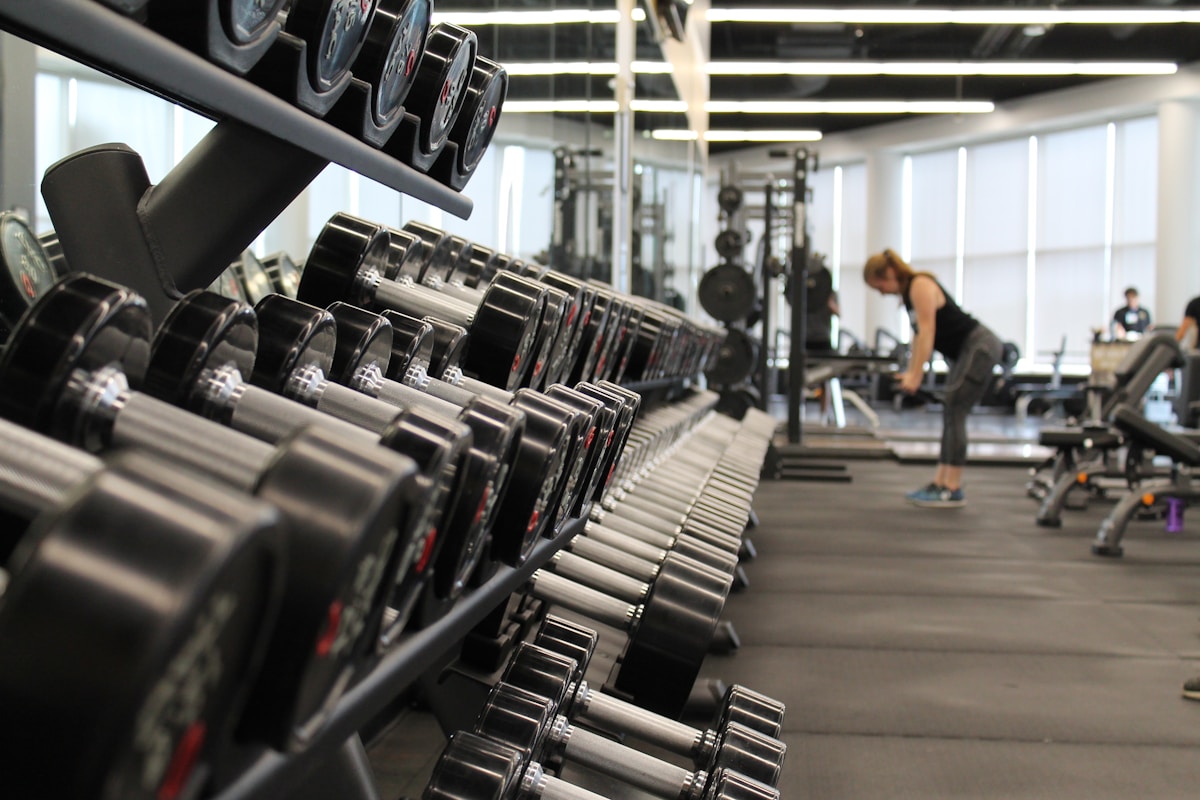
Before discussing what to do, it is worth understanding why most beginners fail. The primary reason is not lack of motivation. It is that they start with a plan that is too ambitious, too complicated, or too uncomfortable, and they burn out within weeks.
A beginner who goes from zero exercise to six intense sessions per week is likely to experience excessive soreness, fatigue, and a sense of dread about their next workout. This negative association makes quitting feel like relief rather than failure. The solution is to start conservatively and increase gradually, building positive associations with exercise before pushing intensity.
The Three Pillars of a Beginner Program
An effective beginner workout program includes three elements: resistance training to build strength and muscle, cardiovascular exercise for heart health and endurance, and flexibility and mobility work to prevent injury and improve movement quality.

Resistance Training: The Foundation
Strength training is the single most impactful form of exercise for beginners. It builds muscle, strengthens bones, improves posture, boosts metabolism, and enhances everyday physical capability. You do not need to become a bodybuilder. Even modest increases in strength dramatically improve quality of life.
For a complete beginner, start with two to three strength sessions per week on non-consecutive days. Each session should include one exercise for each major movement pattern: a squat variation, a hinge or deadlift variation, a push like a push-up or bench press, a pull like a row or lat pulldown, and a core exercise like a plank.
A practical beginner strength routine looks like this. On your first training day, perform goblet squats, dumbbell Romanian deadlifts, push-ups or incline push-ups, dumbbell rows, and a plank hold. On your second day, use lunges, kettlebell deadlifts, dumbbell shoulder presses, lat pulldowns, and dead bugs for core. For each exercise, do three sets of eight to twelve repetitions with a weight that feels challenging but allows good form on every rep.
Cardiovascular Exercise: Keep It Simple
Beginners often default to cardio because it feels more accessible than lifting weights. While cardio is important for heart health and endurance, it should complement rather than replace resistance training. The ideal beginner cardio plan is two to three sessions per week of moderate-intensity activity, which means you can hold a conversation but feel slightly breathless.

Walking is an underrated and excellent form of cardio for beginners. A brisk 30-minute walk three times per week provides genuine cardiovascular benefits without the joint stress of running or the intimidation factor of a spin class. As your fitness improves, you can graduate to cycling, swimming, jogging, or any activity you enjoy.
Flexibility and Mobility: The Missing Piece
Most beginners skip stretching and mobility work, and then wonder why they feel stiff, sore, and prone to minor injuries. Spending five to ten minutes on mobility work before each training session and another five minutes stretching afterward significantly improves recovery and reduces injury risk.
A simple pre-workout mobility routine might include hip circles, arm circles, bodyweight squats, and cat-cow stretches. Post-workout, hold static stretches for the major muscle groups you trained, holding each stretch for 30 seconds. This does not need to be elaborate. Consistency matters more than duration.
A Complete Four-Week Beginner Plan
Here is a week-by-week progression that takes you from zero to a sustainable routine.
In week one, the focus is building the habit. Do two strength sessions and two walks. Keep the weights light and focus entirely on learning the movement patterns. Do not worry about pushing yourself hard. The goal this week is to show up consistently and leave each session feeling good rather than destroyed.
In week two, add a third strength session and increase your walking pace or duration slightly. Start paying attention to your form on each exercise and make small corrections. You may begin to feel some mild soreness, which is normal and expected.
In week three, begin increasing weights on exercises where three sets of twelve repetitions feel easy. Add a short flexibility routine after each session. Your body is adapting, and you should start noticing improved energy and sleep quality.
By week four, you have a consistent routine of three strength sessions and two to three cardio sessions per week. This is a sustainable baseline that will produce visible results over the coming months. From here, the focus shifts to progressive overload: gradually increasing weights, reps, or difficulty over time.
Nutrition Basics for Beginners
Exercise without adequate nutrition is like building a house without materials. You do not need a complicated diet plan, but a few fundamentals will dramatically improve your results. Eat enough protein to support muscle recovery, roughly 0.7 to 1 gram per pound of bodyweight per day. Eat plenty of vegetables and fruits for micronutrients. Stay hydrated. And eat enough total calories to fuel your training without significant overeating.
If that feels like a lot to track, simplify it further. At each meal, include a palm-sized portion of protein, a fist-sized portion of vegetables, a cupped hand of carbohydrates, and a thumb-sized portion of healthy fats. This visual approach gets you close to appropriate macros without calorie counting.
Common Beginner Mistakes to Avoid
Do not change your program every week. Consistency with a basic plan beats constantly switching to the latest trending routine. Do not compare your progress to people who have been training for years. Do not skip rest days, as recovery is when your body actually builds muscle and strength. Do not rely on motivation, which is fleeting, but instead build systems and habits that keep you training even on days when motivation is absent.
And perhaps most importantly, do not let perfect be the enemy of good. A mediocre workout that you actually do is infinitely better than a perfect workout that lives only in your planning app. Show up, do something, and let the results compound over months and years.
The Long View
Fitness is a lifelong practice, not a six-week transformation. The workout plan that works best is the one you will still be doing six months from now. Start simple, progress gradually, celebrate small wins, and remember that every single person in the gym, no matter how fit they look today, started exactly where you are now.
Related Articles on BlogVerdict
- Best Budget Fitness Trackers for 2026 (Fitness)
- Best Protein Powders for Beginners: Complete Guide (Fitness)
- How to Choose the Best Running Shoes for Any Budget (Fitness)
- Mediterranean Diet: A Complete Beginners Guide (Food)
- Best Meal Prep Ideas for Busy People: Complete Guide (Food)
At a Glance
| Aspect | Beginner | Intermediate | Advanced |
|---|---|---|---|
| Time commitment | 15-20 min/day | 30-45 min/day | 60+ min/day |
| Expected results | 2-4 weeks | 1-2 weeks | Days |
| Equipment needed | None | Basic | Specialized |
| Difficulty | Low | Moderate | High |
Frequently Asked Questions
How were these selections chosen?
Selections are based on a combination of expert analysis, user reviews, real-world performance testing, and value for money. We update our recommendations regularly as new options become available.
Are these recommendations suitable for beginners?
Yes. We include options for all skill levels and budgets, with clear explanations of what makes each choice stand out.