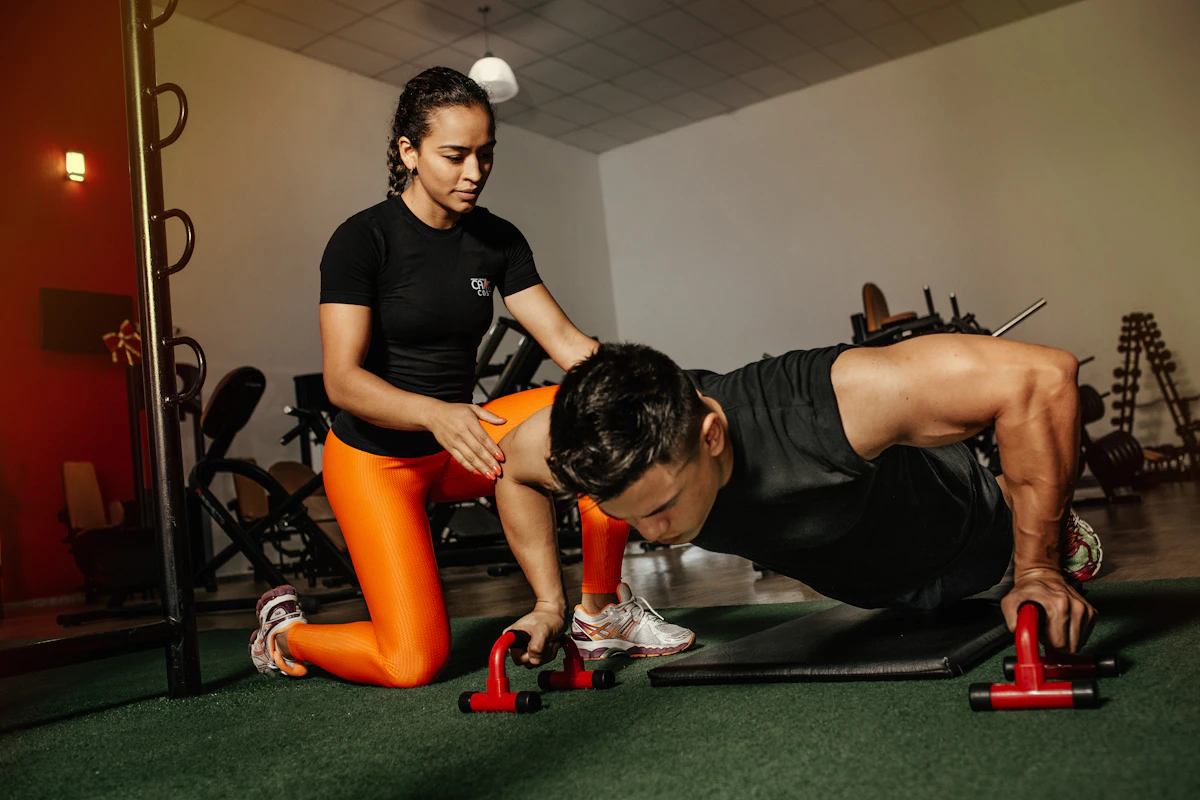
One of the most persistent barriers to fitness is time. Between work, family, social obligations, and the basic logistics of life, finding an hour or more for the gym every day feels impossible for many people. The good news is that you do not need marathon gym sessions to stay fit. Science consistently shows that shorter, smarter workouts can deliver excellent results, and incorporating movement into your daily routine can replace a significant portion of traditional exercise.
Key Takeaways
- The Minimum Effective Dose
- Time-Efficient Training Methods
- Home Workouts That Actually Work
- Movement Throughout the Day
This guide is for busy people who want to maintain or improve their fitness without reorganizing their lives around a gym schedule.
The Minimum Effective Dose
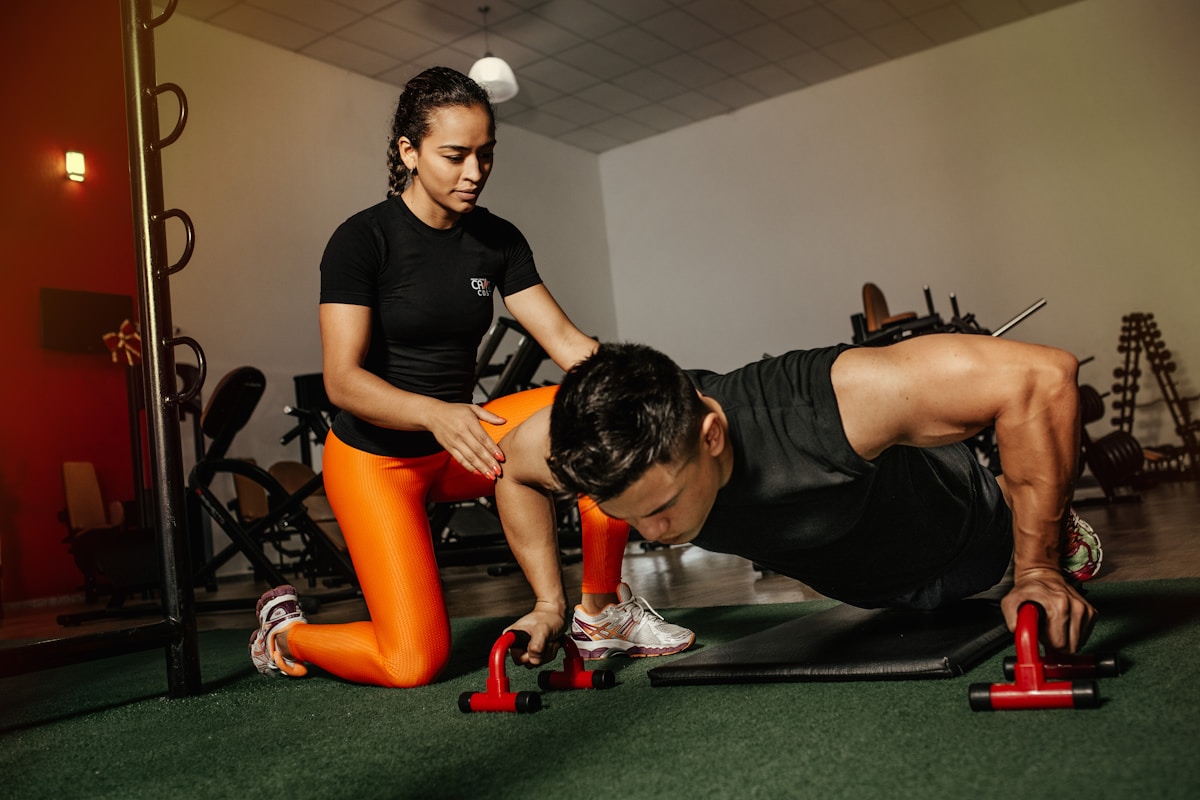
In fitness, there is a concept called the minimum effective dose, which is the smallest amount of exercise needed to produce a meaningful benefit. Research suggests that this threshold is lower than most people think. As few as two strength training sessions per week, each lasting 30 to 45 minutes, can maintain and even build muscle and strength. For cardiovascular health, 150 minutes of moderate activity per week, which works out to about 20 minutes per day, meets established health guidelines.
This does not mean that more exercise is not beneficial. But it does mean that the gap between doing nothing and doing the minimum is far larger than the gap between the minimum and an elite training program. If you can consistently hit the minimum effective dose, you are capturing the vast majority of the health and fitness benefits available.
Time-Efficient Training Methods
Supersets and Circuit Training
A superset pairs two exercises back to back with no rest between them, typically targeting different muscle groups. For example, you might alternate between squats and push-ups, doing a set of each before resting. This approach cuts your workout time nearly in half because you are resting one muscle group while working another.

Circuit training extends this principle by stringing together four to six exercises performed in sequence with minimal rest between them. A full-body circuit of squats, push-ups, rows, lunges, shoulder presses, and planks, done for three rounds, provides a detailed workout in 20 to 25 minutes.
EMOM and AMRAP Protocols
EMOM stands for Every Minute On the Minute. You perform a prescribed number of reps at the start of each minute and rest for whatever time remains. For example, 10 kettlebell swings every minute for 10 minutes. The built-in time structure keeps the workout focused and prevents the aimless rest periods that inflate gym time.

AMRAP stands for As Many Rounds As Possible within a set time frame. Choose three or four exercises, set a timer for 15 or 20 minutes, and cycle through as many rounds as you can with good form. This format is self-regulating: you push as hard as you can within the time constraint, making it efficient by design. For more on this, see ASEAN Nations Strengthen Regional Cooperation Agreement.
High-Intensity Interval Training
HIIT alternates short bursts of high-intensity effort with brief recovery periods. A typical session might involve 30 seconds of all-out effort followed by 30 seconds of rest, repeated for 10 to 15 minutes. Research shows that HIIT produces cardiovascular benefits comparable to much longer steady-state cardio sessions.
The caveat is that true HIIT is genuinely demanding. The high-intensity intervals should feel very challenging. If you can hold a conversation during the work periods, you are not working hard enough. Limit HIIT to two or three sessions per week and ensure adequate recovery between sessions.
Home Workouts That Actually Work
The gym is not required for effective training. With minimal equipment, or even no equipment at all, you can build a challenging home workout program that delivers real results.
A bodyweight-only routine for someone with no equipment might include push-up variations for chest, shoulders, and triceps; single-leg squats or pistol progressions for legs; inverted rows using a sturdy table for back; pike push-ups for shoulders; and plank variations for core. By manipulating tempo, going slower on the lowering phase, and reducing rest periods, bodyweight exercises can be made surprisingly challenging even for experienced trainees. For more on this, see Best Protein Powders for Beginners: Complete Guide.
If you invest in minimal equipment, a set of adjustable dumbbells or a kettlebell and a pull-up bar open up a much wider range of exercises. This modest investment, typically under 200 dollars, eliminates the need for a gym membership and the commute time that goes with it.
Movement Throughout the Day
Formal exercise is important, but daily movement outside of workouts, often called Non-Exercise Activity Thermogenesis or NEAT, has an enormous impact on overall health and caloric expenditure. The difference between a sedentary person and an active person can amount to hundreds of calories per day, not from exercise but from walking, standing, taking stairs, and generally moving throughout the day.
Practical ways to increase daily movement include taking walking meetings or phone calls, using a standing desk for part of the day, parking farther from entrances, taking stairs instead of elevators, doing brief movement breaks every hour of sitting, and walking or cycling for short errands instead of driving.
These changes sound trivial individually, but they compound. A person who walks 10,000 steps per day through incidental movement is getting a significant amount of low-intensity exercise without ever stepping foot in a gym. For more on this, see AI in Healthcare: How Machine Learning Is Diagnosing Diseases Faster Than Doctors.
Efficient Weekly Schedules
Here are three sample weekly schedules for different time availability levels.
If you have three hours per week, do two 30-minute full-body strength sessions using supersets and one 30-minute cardio session, either a brisk walk, a bike ride, or a HIIT session. Add daily movement goals like 8,000 steps per day.
If you have two hours per week, combine strength and cardio into two 45-minute circuit training sessions and one 30-minute walk. Focus on compound For more on this, see Best Budget Fitness Trackers for 2026.movements that work multiple muscle groups simultaneously.
If you have only one hour per week, do two 30-minute EMOM or AMRAP sessions that combine strength and cardio elements. This is the absolute minimum, but it is dramatically better than nothing and sufficient to maintain a baseline level of fitness.
Recovery and Sustainability
When your training time is limited, recovery efficiency becomes even more important. Prioritize sleep, as this is when your body repairs and adapts. Stay hydrated and eat adequate protein to support muscle recovery. And listen to your body. If you are feeling unusually fatigued or sore, a lighter session or an extra rest day is not weakness. It is smart training management.
The best fitness plan is one that fits your life, not one that requires your life to fit around it. By choosing efficient training methods, incorporating movement into your daily routine, and being consistent with even modest time investments, you can maintain excellent fitness without making the gym your second home.
Related Articles on BlogVerdict
- Why Pickleball Is Taking Over Every Gym in America (Sports)
- Best Budget Fitness Trackers for 2026 (Fitness)
- Best Protein Powders for Beginners: Complete Guide (Fitness)
- How to Choose the Best Running Shoes for Any Budget (Fitness)
- Best Workout Plans for Beginners Who Want Real Results (Fitness)
At a Glance
| Aspect | Beginner | Intermediate | Advanced |
|---|---|---|---|
| Time commitment | 15-20 min/day | 30-45 min/day | 60+ min/day |
| Expected results | 2-4 weeks | 1-2 weeks | Days |
| Equipment needed | None | Basic | Specialized |
| Difficulty | Low | Moderate | High |
Related Reading on BlogVerdict
Explore more on this topic:
- AI in Healthcare: How Machine Learning Is Diagnosing Diseases Faster Than Doctors
- Best Workout Plans for Beginners Who Want Real Results
- Best Protein Powders for Beginners: Complete Guide
- Best Budget Fitness Trackers for 2026
- ASEAN Nations Strengthen Regional Cooperation Agreement
- How to Choose the Best Running Shoes for Any Budget
- 10 Meals You Can Cook in Under 30 Minutes That Are Actually Healthy
- African Wildlife Conservation Efforts Show Promising Results
Frequently Asked Questions
How long does it take to see results?
Results vary depend For more on this, see Best Workout Plans for Beginners Who Want Real Results.ing on individual circumstances and consistency. Most people see meaningful progress within 2-4 weeks of dedicated effort, with more significant changes appearing over 2-3 months.
Do I need prior experience to get started?
No prior experience is necessary. This guide is designed for beginners and experienced practitioners alike. Start with the fundamentals and build your skills progressively.