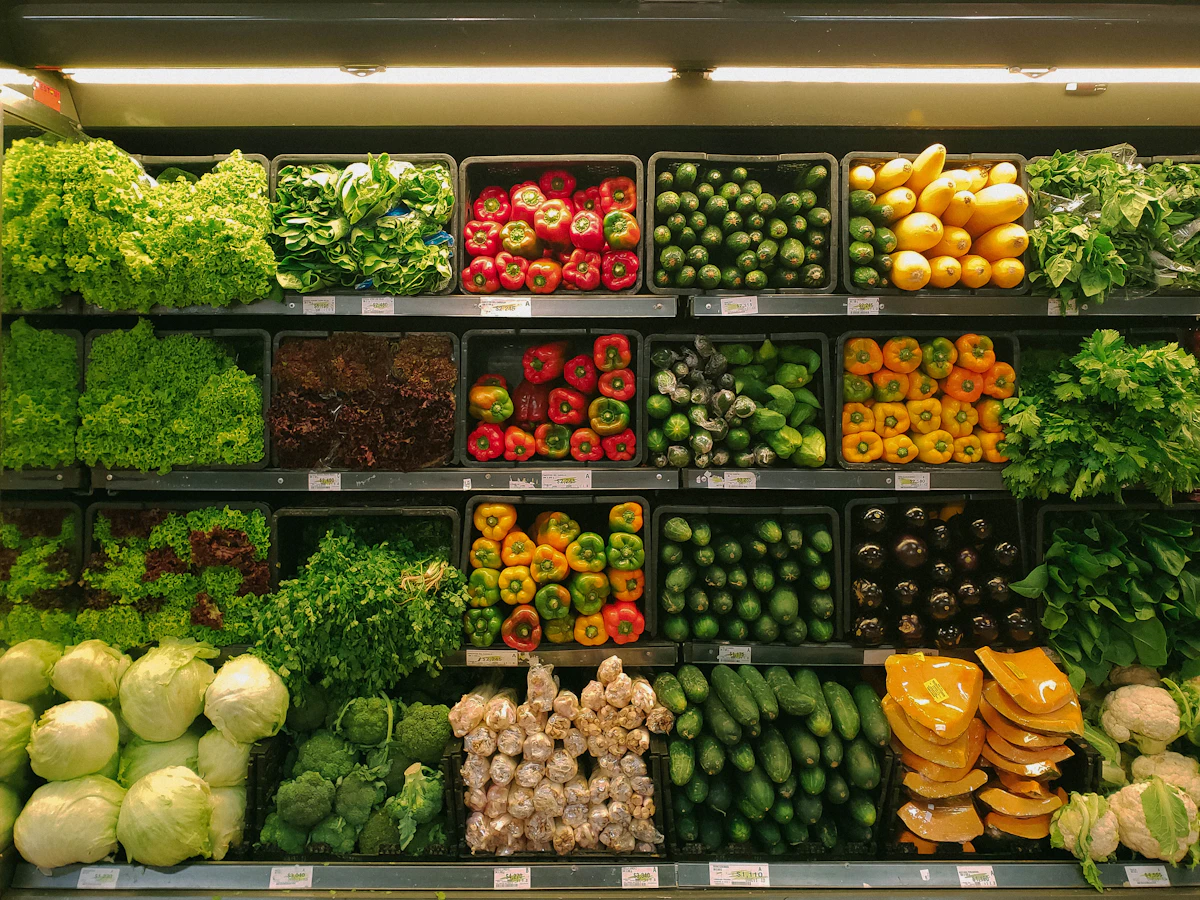
Grocery spending is one of the largest flexible expenses in most household budgets, which means it is also one of the areas with the greatest potential for savings. The average household spends a significant portion of income on food, and much of that spending is driven by habits rather than necessity. Small changes in how you plan, shop, and store food can save hundreds of dollars per month without requiring you to eat poorly or give up the foods you enjoy.
Key Takeaways
- 1. Plan Your Meals Before You Shop
- 2. Shop With a List and Stick to It
- 3. Buy Store Brands and Generic Products
- 4. Buy in Season and Prioritize Frozen Produce
These ten strategies are practical, proven, and work regardless of your dietary preferences or family size. Start with the ones that feel easiest and add more as they become habitual.
1. Plan Your Meals Before You Shop
Walking into a grocery store without a plan is the single most expensive habit you can have. Without a list tied to specific meals, you buy ingredients that do not combine into complete meals, duplicate items you already have at home, and make impulse purchases driven by marketing rather than need.

Spend fifteen to twenty minutes each week planning five to seven dinners. Check what you already have in your pantry and refrigerator, then write a shopping list that covers only what you need to complete those meals. Factor in lunches that use dinner leftovers and breakfasts built around staple items you buy regularly.
Meal planning also reduces food waste dramatically. When every ingredient has a purpose, you stop throwing away forgotten vegetables and expired products. Food waste is essentially throwing money directly into the trash, and the average household wastes a surprisingly large amount each year.
2. Shop With a List and Stick to It
A shopping list is only useful if you follow it. Grocery stores are designed to encourage impulse purchases, from strategic product placement to end-cap displays to the smell of freshly baked bread wafting through the store. Recognizing these tactics makes it easier to resist them.

Organize your list by store section so you can move efficiently without wandering through aisles full of tempting products you do not need. If you spot something appealing that is not on your list, write it down for next week rather than adding it to your cart immediately. This cooling-off period eliminates most impulse purchases.
3. Buy Store Brands and Generic Products
Store brand and generic products are one of the easiest ways to reduce grocery spending with virtually no sacrifice in quality. In many cases, the store brand is manufactured by the same company that makes the name brand, using the same ingredients and process. The price difference comes from lower marketing costs, not lower quality.

Start by switching staple items like canned tomatoes, dried pasta, rice, flour, sugar, and cleaning products. These basics are essentially identical across brands. For items where you notice a genuine quality difference, keep buying the brand you prefer. The goal is not to switch everything but to identify the many products where the generic version is equally good.
4. Buy in Season and Prioritize Frozen Produce
Fresh produce prices fluctuate significantly based on season and availability. Buying fruits and vegetables when they are in season means lower prices and better flavor. Strawberries in summer cost a fraction of what they cost in winter and taste dramatically better.
For out-of-season produce, frozen options are often superior to fresh from a nutritional standpoint. Frozen vegetables and fruits are typically picked and frozen at peak ripeness, locking in nutrients that fresh produce loses during long shipping and storage periods. Frozen produce is also less expensive and eliminates waste since you use only what you need and return the rest to the freezer.
5. Cook at Home More Frequently
The cost gap between home-cooked meals and restaurant or takeout meals is substantial. A home-cooked dinner for a family of four typically costs between eight and fifteen dollars in ingredients. The equivalent meal from a restaurant easily reaches forty to sixty dollars or more with delivery fees and tips included.
You do not need to become a gourmet chef. Simple meals built around a protein, a grain, and vegetables are nutritious, satisfying, and quick to prepare. Batch cooking on weekends creates ready-to-eat lunches for the work week. A slow cooker or instant pot can turn inexpensive cuts of meat and basic vegetables into flavorful meals with minimal active cooking time. For more on this, see Best Credit Score Improvement Tips That Actually Work.
6. Reduce Meat Consumption Strategically
Meat is typically the most expensive category in a grocery basket. You do not need to become vegetarian to benefit from this observation. Simply replacing two or three meat-based dinners per week with plant-based alternatives can save meaningful money.
Beans, lentils, chickpeas, tofu, and eggs are all protein-rich foods that cost a fraction of what meat costs per serving. A pot of chili made with beans and vegetables feeds a family for a few dollars. Lentil soup, bean burritos, and egg-based dishes are satisfying, nutritious, and genuinely inexpensive. When you do buy meat, choose less expensive cuts and use slow cooking methods to make them tender and flavorful.
7. Use Cashback Apps and Store Loyalty Programs
Cashback and rebate apps have matured into genuinely useful savings tools. Apps that offer rebates on specific products you were already planning to buy provide savings that require minimal effort. Store loyalty programs offer member-only discounts, digital coupons, and accumulated points toward future savings.
The key is using these tools for items you would buy regardless, not letting them drive purchases of products you do not need. A dollar off a product you would not otherwise buy is not saving money. But consistent use of loyalty discounts on your regular purchases compounds into meaningful annual savings.
8. Buy in Bulk Strategically
Buying in bulk saves money on items you use frequently and that store well over time. Dry goods like rice, oats, pasta, flour, and canned goods are excellent bulk purchases. Household items like paper products, cleaning supplies, and personal care products also offer significant per-unit savings in larger quantities. For more on this, see 5G Changed Everything: The Real Impact Three Years Later.
The trap with bulk buying is purchasing perishable items or products you do not use frequently enough. A large bag of spinach that wilts before you finish it costs more than two small bags purchased a week apart. Calculate the per-unit price rather than focusing on the total price to ensure you are actually getting a better deal. Warehouse club memberships make sense if your regular purchases there exceed the membership cost in savings.
9. Minimize Food Waste at Home
Reducing food waste is equivalent to giving yourself a raise For more on this, see Best Credit Cards for Beginners: Top 10 Picks for 2026.on your grocery budget. Start by organizing your refrigerator so that older items are visible and used first. Use clear containers so you can see what leftovers need to be eaten. Designate one dinner per week as a use-it-up meal where you combine whatever needs to be consumed before it spoils.
Proper food storage extends shelf life significantly. Store herbs in a jar of water in the refrigerator. Keep bread in the freezer and toast individual slices as needed. Learn which fruits and vegetables shoul For more on this, see Best Personal Finance Habits for Long-Term Wealth.d be stored separately because of ethylene gas production. These small storage habits prevent the premature spoilage that forces you to throw food away.
10. Compare Prices Across Stores
Different stores have different strengths. Your regular supermarket might have the best prices on dairy and bread while a discount grocer nearby beats them on canned goods and snacks. An ethnic grocery store often offers spices, grains, and produce at significantly lower prices than mainstream supermarkets.
You do not need to visit five stores every week. Identify two or three stores that cover your needs and split your shopping accordingly. Many stores post their weekly circulars online, so you can compare prices and plan your route before leaving home. Over time, you will develop an instinct for which store offers the best price on each category of item.
Putting It All Together
These strategies work best in combination. Meal planning leads to better shopping lists, which leads to less impulse buying and less food waste. Buying store brands and seasonal produce keeps costs low on individual items. Cooking at home and incorporating more plant-based meals multiplies those savings across every meal.
Start with two or three of these tips this week. Once they become routine, add another. The compound effect of multiple small savings strategies creates a significant reduction in your monthly grocery bill while actually improving the quality and variety of what you eat. Smart grocery shopping is not about deprivation. It is about spending intentionally so that every dollar delivers maximum value to your household.
Related Articles on BlogVerdict
- Best Credit Cards for Beginners: Top 10 Picks for 2026 (Finance)
- How to Save More Money Without Feeling Broke (Finance)
- Best Credit Score Improvement Tips That Actually Work (Finance)
- The Art of Negotiation: Salary Tips That Actually Work in 2026 (Business)
- The Most Important Business Trends Every Founder Should Watch (Business)
Risk and Return Overview
| Strategy | Risk Level | Time Horizon | Best For |
|---|---|---|---|
| Conservative | Low | Long-term | Capital preservation |
| Balanced | Medium | Medium-term | Steady growth |
| Aggressive | High | Short-term | High returns |
Related Reading on BlogVerdict
Explore more on this topic:
- 5G Changed Everything: The Real Impact Three Years Later
- Best Personal Finance Habits for Long-Term Wealth
- Best Credit Score Improvement Tips That Actually Work
- Best Credit Cards for Beginners: Top 10 Picks for 2026
- Best Side Hustles You Can Start From Home in 2026
- How to Build an Emergency Fund Fast: Step-by-Step Guide
- Aadhaar System: How India's Digital Identity Infrastructure Has Evolved
- 10 Meals You Can Cook in Under 30 Minutes That Are Actually Healthy
Frequently Asked Questions
How long does it take to see results?
Results vary depending on individual circumstances and consistency. Most people see meaningful progress within 2-4 weeks of dedicated effort, with more significant changes appearing over 2-3 months.
Do I need prior experience to get started?
No prior experience is necessary. This guide is designed for beginners and experienced practitioners alike. Start with the fundamentals and build your skills progressively.